Tuesday, July 31, 2012

A Nightmare Tamed: How to Exercise With Young Children


When it comes to exercise, most people start the summer with good intentions. Longer days and better weather mean jogging in the street is a more viable (and appealing) option, while the thought of putting on a swimsuit is more than enough encouragement to head to the gym to shed a few pounds! However, if you have a young child or children, you might find your good intentions fall by the wayside... buried beneath a mountain of diapers and wet wipes.

There’s no doubt about it; children are a full time job and then some. If you’re a stay at home parent you can’t simply clock off for the evening, and if you work, you’ll likely want to spend your free time with your little ones. Either way, if you’re able to get down to the gym three times a week, you’re actually one of the lucky ones.

If you’re feeling the urge to get active this summer, don’t let your children become your excuse. There are a variety of activities you can get involved in with your children by your side, helping you shed that baby weight, filling your body with endorphins and encouraging your kids to live a healthy life as well.
Here are a just a couple of ways you can exercise with your kids around, keeping them happy in the long holidays and preventing you from tearing your hair out – hair loss prevention being just another one of the many benefits of exercising with your children.

Walk
 

Ditch the car, it’s sunny outside and get those legs moving. According to the Physical Activity Guidelines for America, published in 2008, the average adult needs to do 2 hours and 30 minutes of brisk walking every week, combined with muscle-strengthening activities on two or more days, just to stay healthy. In terms of walking that’s 30 minutes, five days a week.

Walking is good for the heart, lungs and bones, improving the cardiovascular system and boosting circulation too. It can have all the same benefits as jogging but without the potential for injury.
During the fine days of summer, it’s much easier to drum up the enthusiasm to get out there and start walking. So make it your mission, every morning or after work, to get outside and get moving – kids in tow. The beauty of walking is that it’s suitable for children of all ages. If you have a young baby, try using a carrier and think about the extra calories you’ll be burning off along the way; this is also an opportune time to bond with your baby. Toddlers can be pushed along in a stroller – either using the opportunity to see the world or have a little snooze. Older children can walk, skate or scoot alongside you, using up their own boundless energy. Try to vary your walks to give your kids something new and interesting to look at.

If you don’t have 30 minutes to spare, five days a week, you can break it up even further. If you have to go to the convenience store don’t jump into your car, get your walking shoes on and boost your health while saving fuel too. Three 10-minute bursts of exercise a day adds up to 30 minutes.

Dance

Kids love to dance, so put on their favorite CD and dance along to the tunes. Some of the best exercises can be done to nursery rhymes, which involve a lot of bending and stretching – ideal for toning up those muscles. If you don’t know the moves, simply make up your own; march, jump up and down, skip and hop – do whatever you please, just keep that heart rate up and those muscles moving.

Yoga

Yoga helps stressed out kids, more here.
[Photo credit]
Yoga is extremely beneficial for building strength, promoting good balance and improving posture, and kids can do it too. There are now a range of children’s yoga courses available where you can exercise alongside your child while picking up tips from the experts. If you can’t find a kids’ yoga venue near you, there are plenty of videos of simple poses available on YouTube to help you get started.

Key Note is to Stay Active

Even if you’re not into formal activities like those listed above, you can get healthy and active in the sunshine. Have a water-fight, skip around the garden, trampoline in the back yard and climb trees – just get out there, get moving and get healthy!

--------

Guest post by Lily Alberts

Lily Alberts is a writer and health fanatic who works with a licensed online pharmacy as well as a number of nutrition and fitness sites. She's written on everything from hair loss prevention to the sports physiotherapy, and tries to promote good health within her own family.

Tuesday, July 3, 2012

Traveling this Summer? Watch Out for the 'Economy Class Syndrome'

If you're traveling economy class this summer, you gotta know more about Deep Vein Thrombosis (DVT), also known as Economy Class Syndrome (ECS)! According to the WHO, 3 to 5 % of those who travel economy class for long hours increase their risk of developing DVT. 

So what is DVT? It's the formation of blood clots in the lower limbs - calves and thighs. DVT and clot formation risk are increased due to many factors such as genetics, advanced age, hormonal disturbances, obesity related factors, pregnancies and prolonged sitting such as bed rests. Clot formation may also increase during long flight hours -  it is largely affected by the fact that you're not moving as well as by airplanes' cabin pressure and oxygen state. The risk increases when you resume activity! The clot may break off, move through the circulation, reach the heart of lungs and obstruct their pathways, leading to death. This has actually happened back in 2000, when a passenger died due to DVT!

So to avoid leg, feet and thigh-swelling, bruising and numbness:

  • Make sure you are wearing very comfortable and loose clothes and shoes. The point is that when you are sitting for a long time, the effect of gravity restricts blood from flowing back from the legs' veins to the heart. Therefore, blood circulation slows down to your lower body and excess blood may accumulate forming clots. So wear loose clothes to decrease any circulation restriction.
  • It's OK [more like recommended] to take off your shoes during long hour flights, this will ensure normal blood flow into your lower limbs.
  • Do circular moves with your feet and ankles and flex both feet and knees at least every 15 to 20 minutes. You can also slide your feet forward and backwards
  • Don't just sit/sleep the whole flight, move around the plane at least every hour.
  • Stretch your whole body whenever you get the chance and don't cross over your legs while sitting, it will only impeded circulation more.
  • Hydrate yourself properly with water. People tend to forget to drink water during flights so have a small cup within reach at all times.
  • Now even though alcohol might be complimentary on the airplane, keep in mind that alcohol is a diuretic so it draws water from your body so limit its intake.
  • Caffeine is also considered a diuretic so limit large intake of any caffeinated beverages whether from coffee, energy drinks or soft drinks (like cokes).
  • You can also consider wearing compressing stockings, to aid proper circulation.

The risk of dangerous clotting is, in fact, minimal but it increases by 18 % for each 2-hour increase in your flight duration! So drink more, move as much as possible, and now after you have a 'healthy' flight, make sure you're in excellent shape to enjoy your vacation by reading Nadine Issa's "5 ways to stay fit while on vacation" article to make the best out of fun!

References:

Photo:

Thursday, June 28, 2012

Fight Sugar, Know the Facts

Everyone is fighting sugar this summer, and it's about time!
More campaigns are targeting both parents and children to decrease their intake of sugar, especially those added sugars from sweetened beverages, cokes, candies, chocolate, ice tea, cookies, biscuits, jelly beans, cereals, pastries, doughnuts, croissants, cakes, flavored yogurts, milk shakes, ice creams, cereals, coffee drinks, canned foods, and we both know the list goes on!  Sugar is even found in condiments such as ketchup and salad dressings!

Two of the beautiful, smart campaigns again excess sugar intake are:

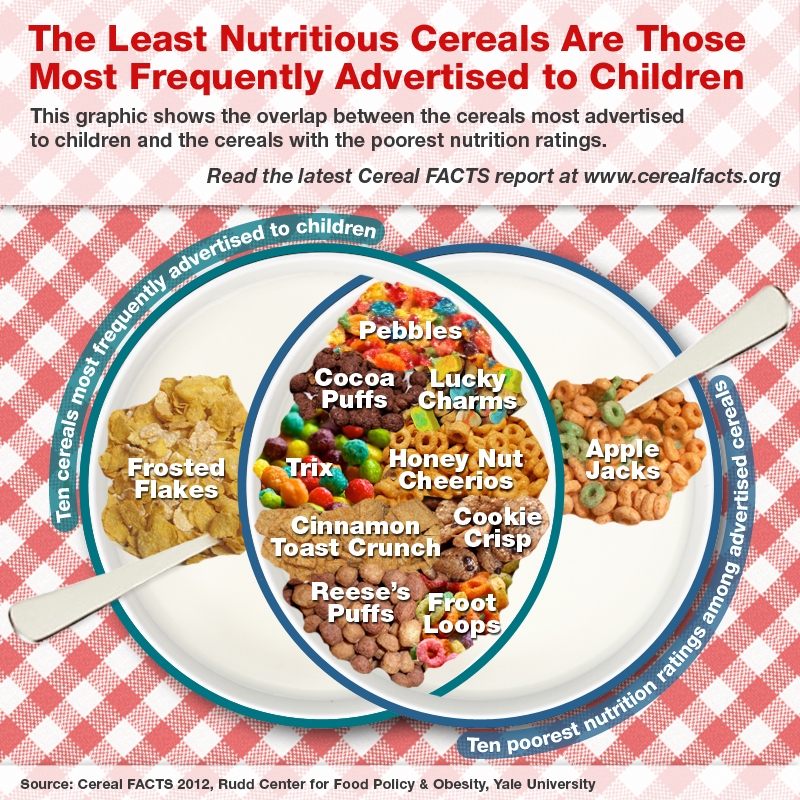
Cereal FACTS - Debunking all types of sweetened and unhealthy cereal and cereal products, especially those advertised for children. You can find top and bottom 10 lists of cereals by brands. Their information target both consumers and researchers with reports stating what is most advertised to children and which brands contain the most sugar content so let's hope they're not being lobbied by any side! You can heck their website here.

Photo from: Cerealfacts.org


Soda Free Summer  - Urges people to 'Rethink their drink' by fighting added sugars whether in carbonated beverages or other sweetened juices and drinks! Most people don't realize that they tend to gulp their calories in. In fact, half on the American population over the age of 2 consume sugary drinks everyday! Soda Free Summer explains how much calories and sugar various contain nowadays, how much exercise you need to burn them off, the unhealthy toxic effects of excess sugar intake as well as beneficial school tools. You can check their website, their twitter and their facebook page.

  
So why do we really care about added sugars?
  • Sugar increases tooth decay
  • Promotes weight gain
  • Acidifies your blood, such that your body will need to extract some minerals from your bones to buffer that acidity!
  • Increases triglycerides and therefore, increasing the risk of heart diseases and inflammation [Source]
  • Decreases your immune system by acting as a substrate for bacteria in your body
  • Increases the risk of skin aging, a much less famous crime
  • Increases the risk of cognitive impairment 
  • Some sugars like HFCS (High Fructose Corn Syrup) have been linked to increased risk of abdominal fat, increased insulin resistance and diabetes type 2, increased metabolic syndrome, fatty liver and increased LDL cholesterol.
  • More research is finding association with increased risk of cancer and more cancer! well. For instance, pancreatic cancer's risk increase by 2 times with increased sugar intake!
  • People who consume large amounts of added sugars tend to eat less nutritious food, resulting in poor nutrition as well as vitamin/mineral deficiencies.
  • Last but not least, very recent research links high sugar (mainly high fructose corn syrup - HFCS) intake to stupidity! High HFCS intake may highly affect the mind's long term ability to learn and remember! 

But why do they even add sugar to food?
Sugar tend to preserve foods, increase fermentation, give pastries and baked goods texture, add a unique flavor to foods [especially that we tend to prefer sweet tastes innately], and yea, because it's addictive so you'll definitely come back for more!

So the whole point out of this article is for you to Cut Down on your Sugar Intake.

1- Know the different names of sugar!Sugar can be simply called sugar/brown sugar, or its gazillion alternative tricky names from dextran, fructose, glucose, lactose, galactose, molasses, invert sugar, sucrose, corn syrup, high fructose corn syrup, beet sugar, barley malt, maltose, maltodextrin, honey, agave nectar, cane, cane juice crystals, caramel, maple syrup, sorghum syrup, turbinado, treacle, muscovado, panocha - some of which I can't even recognize!
Photo from: RefreshKansas.org

2- Check what ONE serving is! What manufacturers tend to do is mention how much calories, nutrients, sugars, vitamins, etc. there are per serving. But what consumers tend to think is that a whole package is one serving - and it's almost always NOT.
So let's take a look at the photo on the right. First, check what one serving is, in green. 1 serving is referred to as 'Serving Size'. This serving has 26 g grams of sugar, as shown in pink. Now the actual package has 2.5 servings, not just one, so do the math!

3- Know the linguistics
  • Sugar-free: there must be less than 0.5 grams of sugar per serving.
  • No added sugars/ Without added sugar is used if no sugar was added during processing
  • Reduced/less sugar is used when there is at least 25% less than a similar reference food so it doesn't mean it is low in sugar!
Photo from: Thearrowsoftruth.com


4- Know the ingredients' order
So when you check your label, which I'm hoping you will from now on, know that ingredients are listed in descending order of weight. On the right, you can find a coke's label where you can see that the 2nd ingredient is HFCS (High Fructose Corn Syrup)!
  

Sugar can definitely harm you, just like tobacco and alcohol so it must be regulated! Why isn't it regulated, you ask? Well, because the industry is making huge profits from their 'suga-baby' and taxing it would lead to less profit! In fact, in a report by the USDA (pdf file), taxing sweetened beverages could end up in decreasing total caloric intake and an estimate of 2 kilograms of adult and child weight per year, aiding in decreasing the worldwide epidemic obesity.

And no, don't go saying that sugar will give you the energy you need! Excess sugar intake will definitely increase your blood sugar steeply, only to cause a quick drastic decrease causing hypoglycemia - characterized by fatigue, nervousness, sweating, hunger and trembling! So pledge to start decreasing your intake gradually - you will benefit greatly!


Monday, June 25, 2012

More Exercise Benefits!


Exercise has been long known to help in weight loss by increasing your metabolic syndrome, aiding your cells to burn more! Exercise also decreases fat mass while increasing muscle mass, all which help you to burn even at rest. There are countless ways exercise can benefit your psyche, heart and body!

> It can maintain stronger bones
> Boost your mood, self esteem as well as overall satisfaction with life
> Help you sleep better
> Enhance your memory
> Improve clear thinking
> Reorganizes the brain to be more resilient to stress
> Control blood pressure
> Slow progress of Alzheimer's
> Aid in boosting the good kinda cholesterol
> Promote glucose uptake into cells thus aiding diabetes
> In the treatment and prevention of depression
> To aid in anxiety disorder
> Boost your immune system against future cancers
> Affects fat storage on the genetic level
> Oddly enough, it helps in preventing losing your sense of smell
> Decrease constipation by promoting intestinal peristalsis

> All while promoting better breathing techniques and pumping blood to all your tissues!
> Oh and affecting your genetic composition  

More exercise benefits were recently discovered this year! Exercise may increase the secretion of a new 'exercise hormone', Irisin!

Irisin can help in transforming white fat cells into brown ones. So what? The point is that brown fat cells are typically found in small amounts in adults while they're common in babies and children. The role of brown fat tissues is to promote energy burning while fat cells promote fat storage! So when you exercise, your body secretes Irisin hormone, transforms white fat into metabolically active brown fat, consequently, increasing fat burning for longer!

On another note, just a little bit of exercise may push your liver to produce hormones that boost HDL (the good kind of cholesterol) production, hence, benefiting your cardiovascular system!

So have an active lifestyle, ditch the laziness, TVs, computers & video games and commit to an exercise you love at least 3 times a week for a whole hour!

References:
Photo source: Exercise


Monday, June 11, 2012

Excess Fruit Intake - Is it Okay?

Summer time in Lebanon is known for all the fruits in the world, coming to season all together in the same time! I have literally seen all these fruits offered wherever I went just this past week! From loquats, blackberries, green plums, apricots, cherries, strawberries, cantaloupes, watermelons, peaches, plums and [I'm sure] soon to pomegranates and grapes, I have seen them all!


But is there such a thing as too much fruit intake?
Fruits are considered healthy snacks, and yes, they definitely are. They are high in fibers, high in water and nutrient rich - compared to any other kind of snack you might take [not veggies, though]. Nevertheless, excess intake of fruit is not recommended
For adults, an average of 2 servings per day of fruits [fruit recommendations & what 1 serving of fruit actually is] is only what you need!

But why?
Fruits contain fructose and truth is, our bodies cannot tolerate excess amounts of fructose - 25 grams is our limit. When we eat sugar, our bodies' response is to secrete the hormone insulin, which enables the absorption of this sugar into your cells. Consequently, this sends the brain that you've had enough, and now it's now to stop eating > thus reducing your appetite!
This cue that you are full is bypassed with foods rich in fructose. Fructose does not trigger this insulin response so your brain doesn't get the message to stop!

Of course, foods with high corn fructose syrup (HCFS) [fizzy drinks, sodas, candies, cereals, syrups, desserts] are way worse than fructose from fresh fruits. But this does not mean that if fruits are considered healthy, then they're free food!

If you are eating fruits (unconsciously in excess/more than what you burn), this might increase your appetite such that you will ask for more food! Focus on balancing your entire diet and watch out because fruits are everywhere and we tend to overeat them!, So even fruits that are considered healthy should be taken in moderation, best in their fresh form!

Tuesday, May 22, 2012

Pregnancy, Lactation and Fish

Omega-3 Fatty Acids are polyunsaturated fats that are considered to be essential to our bodies: this means your body cannot make them on its own, rather they have to come from your well balanced diet. Studies show that a diet rich in omega 3 fatty acids may help regulate triglycerides blood levels as well as increase HDL cholesterol (the good cholesterol). Omega 3 fatty acids may also act as an anticoagulant to prevent blood from clotting which may help to lower high blood pressure and they have been associated with decreased inflammation, increased agility and boosted brain function!

Sources of omega-3s
> EPA and DHA (Eicosapentaenoic acid and docosahexaenoic acid)
Such as fatty fish, such as salmon, mackerel, trout, herring, halibut, sardines, tuna as well as omega-3 eggs (which are fortified with DHA) and algae (seaweed).Cod liver oil is not a good source of omega 3 acids since it may cause toxicity in excess amounts due to its high levels of Vitamin A and Vitamin D so fish oil is better!
  • Green leafy vegetables
  • Nuts and seeds, especially walnuts, flaxseeds and pumpkin seeds
  • Vegetable oils such as canola, soy and flaxseed oil
  • Supplements – it’s best to get fish oil that contains both DHA and EPA. Know that up to 3 grams of fish oil per day in pregnancy is safe so take no more than 3 g! And always consult your doctor or licensed dietitian before you go for supplements!
> ALA (Alpha-linolenic acid)
Our bodies can convert ALA into EPA and DHA but the conversion process is slow so both sources are important!

What are the benefits of Omega 3 fish oils?
Most scientists and health professionals agree that omega-3 fish oil contains a wide range of health benefits pertaining to seriously many different areas of the body! We’ve already mentioned a few earlier, but check out how valuable omega-3 is for you as well as your baby!

  • Circulation – By regulating your blood lipid profiles and decreasing clotting risks.
  • Heart – By helping reduce the risk of arrhythmias (irregularity of the heartbeat) and sudden death by a heart attack.
  • Brain – Better brain function though more efficient neurotransmitters leading to improved concentration, memory and less likelihood of depression.
  • Joints & Arthritis – Better joint function from reduced inflammation and a reduction in pain.
  • Skin – Improves the health and appearance of your skin, helps keep nails and hair healthy.
  • Immune System & Cancer – A stronger immune system, proven to be beneficial for the body’s immune function and a lowered risk of breast and prostate cancer.
  • Vision – Improved focus, color, perception and clarity of vision.
  • Digestive System – By improving intestinal health and reducing inflammation in cases such as Irritable Bowel Syndrome.
  • Allergies – Omega-3 fatty acid intake by mothers during pregnancy may protect babies against the development of allergies.
  • Diabetes – Fish oil enhances insulin secretion from beta cells in the pancreas, regulating blood sugar levels especially DHA.
  • Because omega-3 fatty acids are needed for the development of the brain, nervous system and immune function. This is important for both mom and baby especially during the growth spurt in the last trimester and after birth.
  • Adequate omega-3 intake during pregnancy is associated with appropriate birth weight, head circumference, cognitive development and fewer preterm births.
  • Your fetus gains 50–60 milligrams (mg) n-3/day during the last trimester (mostly DHA) so it’s important to have reserves for both of you!
  • During lactation, as a mother, your body loses 70-80 mg DHA per day and your stores decrease by 30% after birth, so you need your diet to provide you with sufficient amounts
  • Studies have found that omega-3 fatty acids from the maternal diet are found in both breast milk and in fetal cord blood, so yes mommy, you are providing your baby with his/her needs of omega-3s! Your baby can only get EPA, DHA and ALA from your diet.
So why is it important to get enough omega-3s when you are pregnant and breastfeeding?
Omega-3s and safety issues
·  Eat fish with the lowest mercury levels such as salmon, canned tuna, anchovies, cod, herring, lobster, mackerel, lobster, scallops and shrimp
·  Do NOT eat shark, swordfish, king mackerel or tilefish because of high mercury levels
So what’s up with mercury?
Nearly all fish and shellfish contain traces of mercury. The calculation is quite simple: Mercury exposure is passed up through the food chain:
·   Bigger fish accumulate more as they eat smaller fish
·   Older fish tend to have more mercury because they have been exposed to mercury over a longer period of time!
And just so that you know, mercury occurs naturally in the environment but also enters the atmosphere and water from human activities. Mercury can be emitted from fossil-fuel burning plants and automobiles into the air. Then it falls to the ground in rain and snow and enters streams, rivers and lakes.

Recommendations

  • Pregnant or breastfeeding women are recommended to have at least 2 servings of fish per week - particularly fatty fish that are high in omega-3 fatty acids from the variety that are low in mercury.
  • Each "serving" is equivalent to about 100 grams of cooked fish, or about 3/4 of a cup of flaked fish. So eat at least 220 grams and a maximum of 330 grams of fish.

Cooking
·    Fish sometimes carry parasites and if the fish is eaten raw or lightly preserved, parasites become a concern.  The most common of these parasites are nematodes (also known as "cod worms" or "herring worms") and tapeworms.  Nematodes, though rarely a problem, can infect a human host and cause limited digestive problems for a week or so.  Tapeworms are much worse: they can live in the human digestive tract for years, growing up to a couple of yards long, causing severe pain, weight loss and anemia. The good news: These parasites are killed when fish is properly cooked to an internal temperature of at least 63 °C.
Therefore when pregnant, avoid eating raw fish and make sure your fish is well prepared!
·    As for refrigerated smoked seafood, these may pose an increased risk of a bacterial infection called listeriosis for pregnant women, older people, and people with weakened immune systems.  These are usually labeled on your food package as "nova-style" "lox" "kippered," "smoked" or "jerky”, so read your labels and avoid them!


So to sum it up, omega-3 fatty acids are highly important in your diet for both you and you baby! Don’t overdo it and have fish like crazy, have well-cooked right amount and right type of fish and seafood to get their valuable benefits!

Photos:

Benefits of Healthy Eating After a Cancer Diagnosis

Every healthy adult is recommended to eat nutritious foods throughout every stage of life to promote a longer life and to reduce the risk of developing diseases such as heart disease and osteoporosis. But eating healthy isn't only for healthy individuals; healthy eating is especially important for people who have been diagnosed with cancer. Eating healthy while fighting this disease not only improves your quality of life, but it also boosts your mood and improves digestion and heart health.

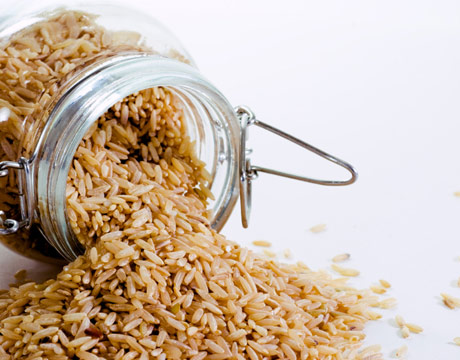
Brown rice is an integral
part of a healthy diet!
Regulate Digestion
Certain medications used to treat symptoms of mesothelioma, uterine cancer as well as other forms of cancer can disrupt your digestive system, resulting in constipation or having bowel movements too frequently. Regulate your digestion by eating foods that are high in dietary fiber. Dietary fiber helps to create bulk in your intestines, making for an easier passage for waste from the body. It also helps to prevent hemorrhoids, constipation and reduces the risk of developing colon cancer. If your doctor has asked that you reduce your weight, eating high-fiber foods such as wheat bread, brown rice and oats helps you to feel fuller longer, resulting in you eating less.

Mood-Boost
Certain medications used to treat symptoms of mesothelioma, uterine cancer as well as other forms of cancer can disrupt your digestive system, resulting in constipation or having bowel movements too frequently. Regulate your digestion by eating foods that are high in dietary fiber. Dietary fiber helps to create bulk in your intestines, making for an easier passage for waste from the body. It also helps to prevent hemorrhoids, constipation and reduces the risk of developing colon cancer. If your doctor has asked that you reduce your weight, eating high-fiber foods such as wheat bread, brown rice and oats helps you to feel fuller longer, resulting in you eating less.

Heart Health
The American Heart Association recommends all healthy adults to consume no more than 7 percent of their caloric intake in saturated fat and no more than 1 percent of their caloric intake in trans-fat. Cutting your sat-fat and trans-fat intake reduces your risk of developing high cholesterol and heart disease. In addition, consuming polyunsaturated and monounsaturated food sources such as olives, almonds and avocados increases your good cholesterol levels and helps prevent cholesterol build-up in your heart. Your doctor may recommend that you cut your saturated fat and trans-fat consumption even more than this if you’re recuperating from surgery, chemotherapy or radiation therapy. Foods that are high in saturated and trans-fats are: full-fat dairy, egg yolks, processed meats, candy and fatty red meat.


Whether you’re receiving treatment for cancer, recovering from treatment or in remission, eating healthy foods can improve your overall well-being and improve your mood. It’s natural for your stress levels to increase after receiving a cancer diagnosis and eating certain foods can make this worse.
Foods and beverages loaded with caffeine or sugar can give you a false sense of euphoria, only to bring your mood down within a few hours after consuming them. Instead go for mood boosting foods such as seaweed, mushrooms and brown rice. Seaweed contains iodine, which can boost your mood if you’re deficient in it. Mushrooms contain the mineral selenium, which fights against depression if you’re deficient in it. Whole grains such as brown rice and wheat products keep your blood sugar steady, resulting in a constant release of energy.


Guest post by Jillian McKee. Jillian (@jillianmckee) has worked as the Complementary Medicine Advocate at the Mesothelioma Cancer Alliance since June of 2009 (http://www.mesothelioma.com/blog/). Jillian spends most her time on outreach efforts and spreading information about the integration of complementary and alternative medicine when used in conjunction with traditional cancer treatment.

Friday, May 4, 2012

Your Personality Can Affect Your Weight!

Losing weight may seem simple, you would have to balance your diet and burn more than what you eat by exercising! Yet it’s not as easy as it seems. Research is finding links between personality traits, emotions and eating behaviors. This holds true because the same brain regions that control everything related to your emotions and stress deal with appetite and hunger feelings as well!

A study conducted last year associated 5 personality traits with different, specific eating habits – mostly, leading us to gain weight! So find below each personality trait, what happens and what you can do about it!


Personality Trait
What Happens
What We Can Do
The Night Owl
- Sleep deprived at night and  tends to sleep through breakfast time and snack late at night
 
> This drives down levels of leptin, the hormone that signals fullness, while driving ghrelin up, the hormone that increases appetite especially for high carbohydrates, sweets and high calorie food!
- Start by decreasing your caffeine intake in the afternoon and night
- Decrease TV/PC-time in the evening
- Close the kitchen doors by 8-9 pm at night
- Wake up early and boost up your energy with breakfast
The Stress Junkie
- Competes in everything and works better under pressure
> This internal force to constantly compete is powered by both cortisol and adrenaline – the stress hormones. Stress hormones also boost  neuropeptide Y, a neurochemical that increase:
- Carbs cravings
- Insulin secretion
- Fat accumulation
- Exercise helps in burning off excess cortisol

- Plan your work ahead of time, to decrease any stressful events

- Adopt a hobby/ relaxing/ breathing techniques.

- Don’t go gulping sugary and fatty foods when you’re upset, angry or sad just to comfort your anxiety. Think before you eat!
The Mindless Multi-tasker

- Drives, talks, reads, watches TV, BBMs and even knits altogether while eating!
> Most don’t overeat because they’re super hungry. Eating has become a mindless habit with no focus on what we are actually eating.
Yes, multitasking is a plus, if you’re applying for a new job but not when you are eating.
- Give your food your full attention. Sit down at a dining table, chew your food well and eat slowly. Savor every bite and stop when you’re full.

The Giver

- Puts everyone’s needs before his or her own and may fear disappointing others
> This leads to void or guilt feelings, where you’ll end up stuffing your face with sweet sweeeet food!

It is quite righteous to be generous and caring, but you’d have to put you and your health first as well.
Also, know what is bothering you. Let out any negative emotions in a healthier way - run, jog, swim, sing, write, draw, anything but eating.
The Perfectionist

- Puts unreachable goals, whether in life, school, work or fitness goals
> Perfectionists tend to set impossible weight goals leading them to disappointment and emotional eating when they relapse.
- If you wait till all circumstances are perfect, you won’t start at all! So ditch the ‘all or nothing’ mentality and start with what you have right now.
 
- Break your ultimate goal into many small, realistic and reachable steps
and strive to reach each goal at your own pace.


Work to identify what is causing you to emotionally eat and work to break these triggers. I definitely don’t mean that you must change your whole personality, but knowing what pushes you to overeat could be the key!

Thursday, April 19, 2012

Acrylamide in my Fries!

Till a decade ago, acrylamide was only known for its use in the manufacturing of products like cosmetics, plastics, textiles, paper making and in water treatments as well as tobacco industries, therefore, food was not analyzed for acrylamide. In 2002, the Swedish National Food Administration and University of Stockholm announced its discovery in food.

So what is acrylamide and where is it found?

Acrylamide is a chemical compound that forms naturally in a wide variety of foods. It is found in low levels in mainly starchy foods when they are cooked thus exposed to heat: fried, baked, grilled or roasted at high temperatures greater than 120°C.

Food Sources
  • Potato products (chips, fries)
  • Bakery products (bread, kaak, crusts, cereals, cookies, biscuits)
  • Roasted nuts and coffee
    French fries are one of the main
    contributors of acrylamide

Acrylamide concentrations can increase as a factor of time and temperature – thus the more time and the higher the temperature of your food preparation method, the more acrylamide can form.
In fact, more than 1/3rd of our diets contain foods with detectable amounts of acrylamide and 97-99% of people are exposed to acrylamide.

So why are we interested?

Once its discovery particularly in food, interest increased because it was previously classified by the International Agency for Research on Cancer as class 2A “probable human carcinogen”. In high concentrations, such as those found in industrial uses, acrylamide has been shown to cause DNA mutations and this has been proven as such in lab tests and rodent studies. It can also cause nerve damage in workers exposed to high levels of the substance.

However, unlike the high levels found in industrial settings, the low daily dietary exposure to acrylamide hasn’t been shown to cause adverse health effects in humans. Few studies have associated acrylamide with breast and colon cancer to be directly refuted by counter studies. Therefore, so far, there are no direct link between low dietary concentrations of acrylamide and the risk of developing cancer in humans.

Toast your bread to light brown
instead of darker shades
Nevertheless, to ensure that you are having low levels of acrylamide,
  • Store potatoes properly, not in a refrigerator – not to increase its starchy composition.
  • Cook using low temperature, and fry (if you must) food to a light golden color rather than brown/black color.
  • Pay attention to cooking times, don’t keep your food exposed to heat for long times.
  • Soak raw potatoes in water for 15-30 minutes before cooking – this would decrease starchy material, which would decrease their browning when exposed to heat.
  • Direct heat like frying, baking and roasting can increase the risk of acrylamide formation, especially for long time and high temperatures. Boiling food is less likely to produce acrylamide
  • Toast bread to light brown and always remove dark portions of crusted dough in manakish, breads, pizzas, toast, knefe, kaak and other baked products
  • Grilling is definitely considered a healthy method of cooking; however, try to avoid char-grilling starchy products (breads/potatoes for example) and remove all charred (dark brown/black) food portions

Keep in mind that there is not enough evidence to avoid particular food products. In fact, eliminating one of acrylamide-containing foods from your diet would not completely eliminate your acrylamide intake.
 
Still concerned? A balanced healthy diet can help in decreasing your exposure to acrylamide and in the same time increase your antioxidants intake, which can in return help in fighting cancer causing agents.
Have plenty of sleep, plenty of exercise, plenty of water and balance them with ample amounts of fruits and veggies, raw nuts, legumes and seeds as well as low amounts of sugary and fried saturated/trans fatty foods.

References: