Showing posts with label Fat. Show all posts

Sunday, October 16, 2011

Cancer Prevention Nutrition Tips

It's World Food Day and Blog Action Day while it's Breast Cancer Awareness Month - so I decided to combine all those together and blog about the healthiest diet that helps in cancer prevention! Of course, cancer is a mutli-factorial chronic disease with genetic factors as well as environmental, personal and dietary ones affecting its incidence. So why not control what is modifiable! Whatever the situation, your dietary choices matter! Some foods actually increase your risk of cancer, while others support your body. By making smart food choices, you can protect your health, feel better, and boost your ability fight off diseases.

Research shows that a large percentage of cancer-related deaths are linked to lifestyle choices such as smoking, drinking, lack of exercise and an unhealthy diet. Avoiding cigarettes, minimizing alcohol, and getting regular exercise are a great to an anti-cancer lifestyle. But to best support your health, you also need to look at your eating habits.

Focus on plant-based foods  - Plants have less fat, more fiber and more cancer-fighting nutrients. These 3 work together to support your immune system! The best diet that aid in preventing cancer is a plant-based diet that includes a variety of vegetables, fruits, whole grains, pulses, beans, seeds and nuts!You don't to go completely vegetarian, just aim to have at least 2/3rds of your intake of whole grains, vegetables, beans, or fruit while keep 1/3rd for dairy products, fish and meats.

A fresh bowl of salad will
boost up your fiber intake!
Bulk up on fiber - Another benefit of eating plant-based foods is that it will also increase your fiber intake. Fiber is the part of plants (grains, fruits, and vegetables) that your body doesn't have enzymes to digest. Fiber plays a key role in keeping your digestive system clean, healthy and it keeps food moving through your digestive tract thus moving cancer-causing molecules out with it.Now, the more natural and unprocessed your food is, the higher in fiber it is. So have fiber from more brown, bran, whole-grain, whole-wheat, whole, skin-containing fruits, vegetables, whole grains, pulses, seeds and nuts! And keep on mind that meat, dairy, sugary, and processed white foods (white bread, white rice, pastries, etc.) are very low in fibers! 

Cut down on meats - Research shows that vegetarians are about 50% less likely to develop cancer than those who eat meat. Why? Because meat lacks fiber and other nutrients that have been shown to have cancer-protective properties while having lots of fat - saturated ones. High-fat diets have been linked to higher rates of cancer especially saturated fat. Moreover, it also depends on how meat is prepared. When charred, those black bits are shown to be carcinogenic compounds!
So you can cut down your cancer risk substantially by reducing the amount of animal-based products you eat and by choosing healthier meats. Keep red meats to minimum, choose leaner options such as fish, chicken or turkey while avoiding processed meats (sausages, makanek, salami, deli meats, hotdogs) to the max!

Liquid fats - unsaturated ones -
are your best bet
Choose your fats wisely - A major benefit of cutting down on the amount of meat you eat is that you will automatically cut out a lot of saturated, unhealthy fat. However, don't cut down fat entirely, nope! In fact, some types of fat may actually protect against cancer. The wisdom lies in choosing your fats wisely and eat them in moderation.
-- Fats that increase cancer risk have been shown to be
: saturated fats and trans fats. Saturated fats are found mainly in animal products such as red meat, whole milk dairy products and eggs. Trans fats, could be also called partially hydrogenated oils (check your nutrition facts labels), are created by adding hydrogen to liquid vegetable oils to make them more solid and increase their shelf life - something food for industries but horrible for you.
-- Fats that help in decreasing caner risk are unsaturated ones, the more liquidy fats. They are from plant sources such as olive oil, canola oil, olives, nuts and avocados. Also focus on omega-3 fatty acids, which fight inflammation and support brain and heart health. Good sources include salmon, tuna and flaxseeds. 

Choose cancer-fighting foods - Your immune system does a great job to fight off unhealthy molecules but there are many ways in which you can help strengthen in even more. There is not miracle foods of course, only those that will help your body fight off diseases.So increase your anti-oxidants intake from fruits and vegetables, eat brighter-colored foods, throw in some spices in your meal (and be creative!) while drinking lots of water!
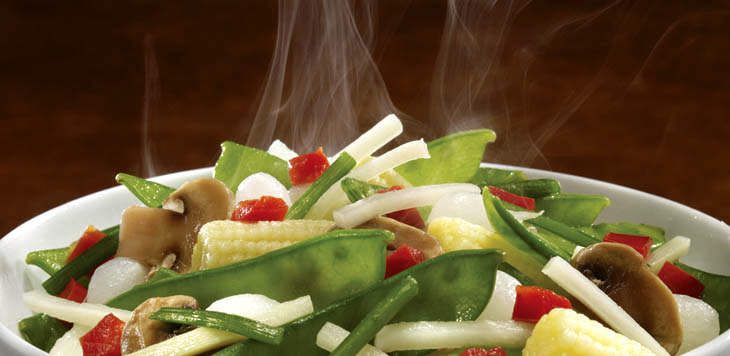
The way you cook your food is as important
as what you eat!
Don't forget that the way you cook/store your food is as important as what you choose to eat!
  • Eat raw fruits and vegetables, they have the least leached vitamins and minerals 
  • Steam foods with the least amount of water possible, you don't want to lose those cancer-fighting compounds!
  • Go for fresh meats and avoid processed and cured meats with preservatives such as hotdogs, deli meats, sausages and bacon!
  • Don't overcook your BBQ to burn or char your meats to be dead smoky!
  • Don't cook oils on high heat like deep/pan frying. Instead bake, broil, boil or steam!
  • Store your foods wisely - Store oils in dark, dry and cool places to decrease the risk of rancidity and avoid moldy foods. Keep foods fresh and cool!

-- You are what you eat, so make every bite count!

Information sources

Thursday, June 9, 2011

It's Cracking Almond Nuts Time!


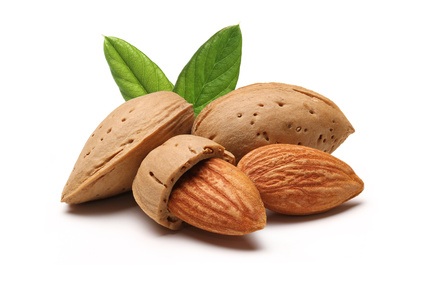
Packaged almonds are available year around, but now it's time for fresh almonds in Lebanon! We refer to almonds as nuts, but in fact, they are technically the seeds of the fruits of almond trees, which are actually cousins of peach, cherry and apricot trees! The fruits that almonds tree bear have pits or seeds, which, at the 1st stage of maturation, are gelatinous and milky but during this time of year, they become solid white, fully formed, fresh and crunchy! Almonds have been part of the human diet from immemorial times and their intake increase in Lebanon, especially during summery days!

Almonds contain a high percentage of proteins (13.3%) bearing in mind that this is a vegetable product while meat and fish possess between 15 and 20 g for each 100 g. They also contain fat for more than half of almonds weight is formed of predominantly monounsaturated and polyunsaturated fatty acids.
Almonds are relatively rich in vitamin B 1, vitamin B 6 and above all vitamin E as well as almonds are among the richest plant based foods in calcium and phosphorus with significant amounts of magnesium, potassium and iron.

Almonds, freshly picked from the tree and shelled, can be eaten as they are. They are more digestible that dried almonds and I usually use my teeth to open them, but using a nut cracker is definitely safer. As for dried almonds, the moisture content would be reduced and thus they become hard. They can be eaten raw but when very well chewed, or lightly toasted. They can be easier to chew and digest is soaked overnight. The next morning they will have become tender and after removing the skin that covers them, they give the sensation of having been freshly picked from the tree, yet we all know, deep down inside, that it's not the same fresh taste!


During afternoons or night gatherings in Lebanon, most people enjoy cracking almond fruits, along with sipping beer. However, keep in mind that almonds contain 589 calories in 100 grams and therefore you can get around 200 calories in just 1/4 cup!
So think about it! With just 1 beer = 150 calories, and just 1/2 a cup of almonds = 400 calories, you'll end up with - believe it or not - 550 calories worth of mindless munching!

Saturday, January 8, 2011

ALL you need to know about HIGH Cholesterol!


Cholesterol, HDL, LDL…we often hear about them but what are they really?? It may seem confusing at first but challenge yourself and learn more about them because they come in hand to protect yourself and lower your risk of heart attacks and strokes!


What is cholesterol?
Cholesterol is not something to fear. It is found in every cell of the body and is actually essential for many processes like digesting fat and producing many hormones. But when it becomes high, either from overproduction by the liver or from too much dietary cholesterol, well, I can’t but say that it’s serious.
There are two types of cholesterol:

  • HDL: This is considered to be the “good” cholesterol and it stands for high density lipoproteins. They help carry cholesterol through the body so it can be broken down. A higher number is better.
  • LDL: This “bad” cholesterol is short for low density lipoproteins. They are part of the plaque that forms and block your arteries. The lower number in the range, the better.


Now what are we comparing against? These are numbers, I know, but they are numbers you should be aware of just to know where you stand.


Status
Total Cholesterol
LDL cholesterol
HDL cholesterol
Normal
Below 200 mg/dL
40-100 mg/dL
50 mg/dL and higher
Borderline
200-239 mg/dL
100-129 mg/dL
40-50 mg/dL
Unhealthy
240 mg/dL and above
130 mg/dL and above
40 mg/dL and below


Now what causes high cholesterol? Every person in nature inherits genes that influence his or her cholesterol level, now we can’t actually control that. However we should know that a diet high in saturated fat and trans fat can also increase blood cholesterol as can obesity and a sedentary lifestyle. We will talk about the risk factors shortly, but the big question here is: Why this huge fuss about high cholesterol?


The problem with high cholesterol! The problem lies in the deposits of cholesterol called plaque that sticks on the inside of you arteries and block the blood flow. This buildup is called atherosclerosis, it sure is a big word, but in fact it’s a state that increases the risk of blocking your coronary arteries that increases the risk of heart attack and/or that blocks the blood flow to the brain and would lead to a stroke.


 As we said, there are risk factors to high cholesterol. In fact, these are divided into 2 categories, those you can control and those you can’t.
Those you really can do nothing about:
  • Age: Cholesterol levels rise with age. After age 20, you should get a cholesterol test at least once every five years and your doctor may recommend more frequent testing is he finds that you have other risk factors.
  • Gender: After menopause, women’s LDL levels tend to rise.
  • Heredity: If high cholesterol runs in the family, well these are your genes talking and it is best if you get frequent testing.


But what about what you CAN control?!
  • Excess weight: Being overweight can increase your cholesterol.
  • Sedentary lifestyle: “Couch potatoing”, if I may say, is not OK whereas regular physical activity helps lower LDL and raise HDL.
  • Diabetes: High blood sugar increases cholesterol levels and damages the lining of your arteries.
  • Smoking: Cigarette smoking lowers HDL and increases the likelihood of blood clots.
  • Medications: Certain medications can cause high cholesterol. Talk to your doctor about any medications you are taking just in case!


So…What can we do??


  • Start by 150 minutes a week of exercise and distribute them however you like as long as you increase your heart rate. Quick pace walking, swimming laps, riding bikes, all are considered to be aerobic and helpful.
  • Go for weight loss. For each 2 ½ kg you lose, you increase your HDL by 1 mg/dL and trimming 500 calories a day if you are overweight you help decrease your LDL by 5 to 20 percent. Just know that losing weight and maintaining it would help you no matter how modest it is, keep it up!
  • Food, food, food!
    -To increase your HDL: Avoid tans fats and hydrogenated fats that are found in commercially baked goods, eat monounsaturated oils like olive oil and eat 2 to 4 servings of baked fish!
    -To decrease your LDL: Eat foods rich in sterols like bran, oats, whole wheat, brown rice, peas, beans, walnuts, peanuts, almonds, broccoli and apples. Moreover, limit your cholesterol and saturated fat in your diet found in fried foods, whole dairy products and non lean meats. Another nutritional tip would be to increase your intake of fibers! 25-30 grams of fiber found in vegetables, whole grains, legumes and fruits are always a plus!
  • Lifestyle changes like quitting smoking and limiting alcohol drinks to no more than 2 per day would help as well.
  • And finally, medications prescribed by your doctor and your doctor only would help as well.

Tuesday, December 7, 2010

Heart-Healthy Diet

To protect yourself from strokes and heart attacks, GO for a "hearty-diet"

Women Health offers these simple yet effective guidelines:
  • Eating plenty of vegetables and fruits.
  • Making at least half of your daily grain consumption whole grains. These may include whole-grain barley, brown rice, whole-grain corn and oatmeal.
  • Eating low-fat dairy foods, such as yogurt, cheese and milk.
  • Getting lots of nuts and dry beans, lean meat, fish and poultry without the skin.
  • Favoring polyunsaturated and monounsaturated fats via vegetable oils, fish and nuts.
  • Avoiding: saturated and trans fats, sodium (salt), cholesterol and added sugars.