Showing posts with label Cancer. Show all posts

Saturday, October 5, 2013

October is All About Increasing Breast Cancer Awareness in Lebanon!

October is all about increasing awareness for breast cancer.

October 5
Therefore, AUB and the Lebanese Breast Cancer Foundation are organizing a Human Pink Ribbon at AUB's Green Field today - 5th of October at 4.30 pm sharp. This event is free of charge and aims to promote early detection, prevention and better treatment as well as to encourage more breast cancer research to increase cure rates! All you have to do is show up wearing pink and form a huge pink human ribbon! Check the event here.

October 7 till 12
One Wig Stand, a brilliant breast cancer awareness and support NGO that aims to decrease the disease's stigma, build a social support network for women with breast cancer and increase awareness on prevention and treatment, in collaboration with the smart Juice for Charity, a community project that aims to support different NGOs and charities one at a time by selling fresh orange juice, is organizing a whole week of drinking freshly squeezed orange juice at USJ to increase awareness for breast cancer!

October 25
AUB is also organizing another breast cancer awareness event on the 25th of October.
In collaboration with the International Breast Cancer and Nutrition (IBCN) from Purdue University, the Nutrition and Food Sciences Department at AUB is organizing a public lectures day in which dietitians and physicians will be gathered with women from the Lebanese population, students, dietitians, mothers, sisters, cancer patients, cancers survivors and their family members to discuss how nutrition can play a role in both prevention and treatment of breast cancer. The event is free of charge and all lectures will be given in the Arabic language with no scientific jargon! Lebanon was going to host the IBCN's International symposium on breast cancer on October 11 and 13th, but due to the lovely unstable political situation in the region, the symposium was relocated to France!

Nevertheless, check the event below and share it with all women who are interested to know how they can use nutrition and food, a potential risk factor for breast cancer if misused, in order to prevent and treat breast cancer!


If you are aware of more breast cancer awareness events in Lebanon this October, let me know and I'll update this post to have them all in one place!

** All photos have been extracted from the each NGO/event's social media pages.


Sunday, January 27, 2013

Cheese Burgers Fight Cancer - Yeah Right!

I went into a burger store yesterday, only to find them hanging this cut magazine article beautifully framed on their wall!


At first, you would be like YEY! But NO.

So what the writers of this article did is:
  • They linked a study that showed that Menaquinone, a type of vitamin K, can aid the body in preventing tumor development and decrease 28 % of cancer mortality. 
  • Then they continued to suggest that since menaquinone is found in red meat (as well as frankfurters, salami, pepperoni, pork meat, cream cheese, chicken, corndogs, KFC chicken and so forth)
    >> THEN consequently your burger is "your weapon of choice" against cancer!
  • They continue to advise that you can have their lovely red wine to help 'steer' your body against cancer
These simply are incomplete scientific facts.

It's like suggesting that because chocolate contains cocoa [which has antioxidant capacity] then you can go for chocolate to fight off unwanted cell mutations and cancer!

So let's state some "Red meat VS. Cancer" updates:
And yet the meat industry, particularly Janet Riley from the American Meat Institute, suggests that all these studies are just "statistical noise". The "Meat and Livestock Association" also believe that all this fuss about meat is unnecessary. It's weird how consistent this noise seems to be! 

Of course, adapting an unhealthy lifestyle is a major factor in cancer and premature death risk. Having a "Western" lifestyle, junk food, processed food, refined sugar, high intake of alcohol, low intake of fruits, veggies and fiber along with detrimental behavioral factors like low physical activity, smoking and obesity will definitely affect your cancer risk.

Bottom Line: 

Swapping red meat with another source of protein is best advised to reduce your risk of early death - Cancer Research UK! You can check here what the American Cancer Society advises to cut down your cancer risk for red meat is ONE factor among many - but still a controllable & changeable risk factor for that matter given that 43 % of deaths associated with red meat can be prevented by cutting it down!
If you wish to have your red meat burger once in a while, make sure the meat is not fried, even pan-fried, nor chargrilled. Broiling, baking or poaching meats is the safest!

So, having more red-meat free days is a must! Have plant based protein sources like beans, legumes, & nuts as well as fish, chicken and low fat dairy would still be a better bet for you than any red meat [beef, pork, lamb] and processed meat! - Harvard Health Publications


Tuesday, May 22, 2012

Benefits of Healthy Eating After a Cancer Diagnosis

Every healthy adult is recommended to eat nutritious foods throughout every stage of life to promote a longer life and to reduce the risk of developing diseases such as heart disease and osteoporosis. But eating healthy isn't only for healthy individuals; healthy eating is especially important for people who have been diagnosed with cancer. Eating healthy while fighting this disease not only improves your quality of life, but it also boosts your mood and improves digestion and heart health.

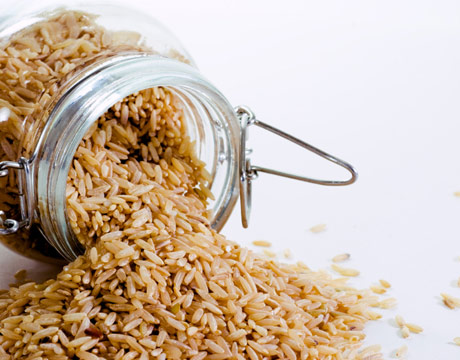
Brown rice is an integral
part of a healthy diet!
Regulate Digestion
Certain medications used to treat symptoms of mesothelioma, uterine cancer as well as other forms of cancer can disrupt your digestive system, resulting in constipation or having bowel movements too frequently. Regulate your digestion by eating foods that are high in dietary fiber. Dietary fiber helps to create bulk in your intestines, making for an easier passage for waste from the body. It also helps to prevent hemorrhoids, constipation and reduces the risk of developing colon cancer. If your doctor has asked that you reduce your weight, eating high-fiber foods such as wheat bread, brown rice and oats helps you to feel fuller longer, resulting in you eating less.

Mood-Boost
Certain medications used to treat symptoms of mesothelioma, uterine cancer as well as other forms of cancer can disrupt your digestive system, resulting in constipation or having bowel movements too frequently. Regulate your digestion by eating foods that are high in dietary fiber. Dietary fiber helps to create bulk in your intestines, making for an easier passage for waste from the body. It also helps to prevent hemorrhoids, constipation and reduces the risk of developing colon cancer. If your doctor has asked that you reduce your weight, eating high-fiber foods such as wheat bread, brown rice and oats helps you to feel fuller longer, resulting in you eating less.

Heart Health
The American Heart Association recommends all healthy adults to consume no more than 7 percent of their caloric intake in saturated fat and no more than 1 percent of their caloric intake in trans-fat. Cutting your sat-fat and trans-fat intake reduces your risk of developing high cholesterol and heart disease. In addition, consuming polyunsaturated and monounsaturated food sources such as olives, almonds and avocados increases your good cholesterol levels and helps prevent cholesterol build-up in your heart. Your doctor may recommend that you cut your saturated fat and trans-fat consumption even more than this if you’re recuperating from surgery, chemotherapy or radiation therapy. Foods that are high in saturated and trans-fats are: full-fat dairy, egg yolks, processed meats, candy and fatty red meat.


Whether you’re receiving treatment for cancer, recovering from treatment or in remission, eating healthy foods can improve your overall well-being and improve your mood. It’s natural for your stress levels to increase after receiving a cancer diagnosis and eating certain foods can make this worse.
Foods and beverages loaded with caffeine or sugar can give you a false sense of euphoria, only to bring your mood down within a few hours after consuming them. Instead go for mood boosting foods such as seaweed, mushrooms and brown rice. Seaweed contains iodine, which can boost your mood if you’re deficient in it. Mushrooms contain the mineral selenium, which fights against depression if you’re deficient in it. Whole grains such as brown rice and wheat products keep your blood sugar steady, resulting in a constant release of energy.


Guest post by Jillian McKee. Jillian (@jillianmckee) has worked as the Complementary Medicine Advocate at the Mesothelioma Cancer Alliance since June of 2009 (http://www.mesothelioma.com/blog/). Jillian spends most her time on outreach efforts and spreading information about the integration of complementary and alternative medicine when used in conjunction with traditional cancer treatment.

Thursday, April 19, 2012

Acrylamide in my Fries!

Till a decade ago, acrylamide was only known for its use in the manufacturing of products like cosmetics, plastics, textiles, paper making and in water treatments as well as tobacco industries, therefore, food was not analyzed for acrylamide. In 2002, the Swedish National Food Administration and University of Stockholm announced its discovery in food.

So what is acrylamide and where is it found?

Acrylamide is a chemical compound that forms naturally in a wide variety of foods. It is found in low levels in mainly starchy foods when they are cooked thus exposed to heat: fried, baked, grilled or roasted at high temperatures greater than 120°C.

Food Sources
  • Potato products (chips, fries)
  • Bakery products (bread, kaak, crusts, cereals, cookies, biscuits)
  • Roasted nuts and coffee
    French fries are one of the main
    contributors of acrylamide

Acrylamide concentrations can increase as a factor of time and temperature – thus the more time and the higher the temperature of your food preparation method, the more acrylamide can form.
In fact, more than 1/3rd of our diets contain foods with detectable amounts of acrylamide and 97-99% of people are exposed to acrylamide.

So why are we interested?

Once its discovery particularly in food, interest increased because it was previously classified by the International Agency for Research on Cancer as class 2A “probable human carcinogen”. In high concentrations, such as those found in industrial uses, acrylamide has been shown to cause DNA mutations and this has been proven as such in lab tests and rodent studies. It can also cause nerve damage in workers exposed to high levels of the substance.

However, unlike the high levels found in industrial settings, the low daily dietary exposure to acrylamide hasn’t been shown to cause adverse health effects in humans. Few studies have associated acrylamide with breast and colon cancer to be directly refuted by counter studies. Therefore, so far, there are no direct link between low dietary concentrations of acrylamide and the risk of developing cancer in humans.

Toast your bread to light brown
instead of darker shades
Nevertheless, to ensure that you are having low levels of acrylamide,
  • Store potatoes properly, not in a refrigerator – not to increase its starchy composition.
  • Cook using low temperature, and fry (if you must) food to a light golden color rather than brown/black color.
  • Pay attention to cooking times, don’t keep your food exposed to heat for long times.
  • Soak raw potatoes in water for 15-30 minutes before cooking – this would decrease starchy material, which would decrease their browning when exposed to heat.
  • Direct heat like frying, baking and roasting can increase the risk of acrylamide formation, especially for long time and high temperatures. Boiling food is less likely to produce acrylamide
  • Toast bread to light brown and always remove dark portions of crusted dough in manakish, breads, pizzas, toast, knefe, kaak and other baked products
  • Grilling is definitely considered a healthy method of cooking; however, try to avoid char-grilling starchy products (breads/potatoes for example) and remove all charred (dark brown/black) food portions

Keep in mind that there is not enough evidence to avoid particular food products. In fact, eliminating one of acrylamide-containing foods from your diet would not completely eliminate your acrylamide intake.
 
Still concerned? A balanced healthy diet can help in decreasing your exposure to acrylamide and in the same time increase your antioxidants intake, which can in return help in fighting cancer causing agents.
Have plenty of sleep, plenty of exercise, plenty of water and balance them with ample amounts of fruits and veggies, raw nuts, legumes and seeds as well as low amounts of sugary and fried saturated/trans fatty foods.

References:

Friday, November 11, 2011

Cancer Risk, Lowered By Diet!

“You are what you eat”. We have all heard that saying from time to time, but do we realize the truth inherent in it? When it comes to health, it cannot be over stated. Cancer, one of the leading causes of death in the U.S. has been tied to diet. Recent studies show that food intake plays a significant part in 30% of all cancer diagnoses. As certain foods can help fight cancer risk and others cause for a rise in it, food intake is one of the most important factors in cancer prevention. 
When eating, it is important to determine whether the food you are eating is promoting or discouraging cancer development. The most harmful foods are usually those that are the least natural. As many cancer causing agents are found in chemicals present in food additives, less natural food is more prone to promoting cancer. Natural foods may not be as colorful or stay on the shelf as long as others, but they are important nonetheless. One other food linked to cancer is red meats. Red meat, with its high amount of animal fat is known to highly correlate with cancer diagnosis. The toxins and carcinogens found in animal fat may have a lot to do with this. Understandably, many will still eat red meat; however, cutting back and replacing it with other leaner proteins such as fish and poultry will help reduce cancer risk.
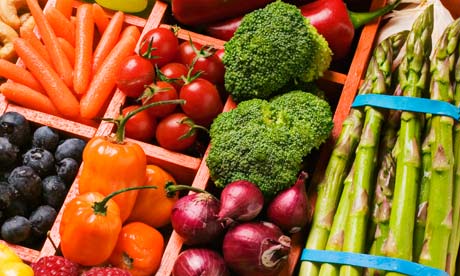
Fruits and vegetables are essential
to help in decreasing your cancer risk!
Foods with naturally occurring flavonoids and antioxidants have shown the ability to curb cancer development. In nature, flavonoids keep plants alive. Often found in bitter foods such as coffee, dark chocolate as well as many citrus fruits, flavonoids may actually slow down tumor growth. Along with them, antioxidants have been shown to help limit cancer development. Found in fruits and vegetables antioxidants as well as vitamins Band C have been shown to inhibit growth of a number of cancers such as gastric cancer and pleural mesothelioma. If you are looking for a cancer-free diet, natural fruits and vegetables are definitely the way to go. 
To recap, in order to maintain a cancer-free diet, one merely needs to maintain a natural, healthy, fruit and vegetable-heavy diet. While taking action to improve your diet is not a guarantee to remain cancer-free, it definitely won’t hurt your chances, and hey, I bet you’ll feel better and maybe lose a little weight too.

This post is a guest post by Leroy Templeton

Leroy Templeton is a recent college graduate from the University of Central Florida. He majored in English and was involved in several health and fitness clubs including the sports medicine team. He has always been fascinated by the body and has been looking to promote the benefits of living a healthy and active lifestyle.

Photo source
 

Tuesday, November 8, 2011

Sitting Around May Increase Cancer Risks!


The hours we spend sitting at home, at workplace, in class, driving from and to places, using computers or watching TV are all as bad as couch-potato lifestyle! These sedentary hours may be increasing our risk for cancer, just as the time we spend exercising can reduce this risk.

Well, the connection between lack of exercise and the increased risk for heart disease is well established by now; however, the association between a "couch potato" lifestyle and cancer risk is a relatively new! 
A study published last week show that there is now convincing evidence that being physically active reduces the risk of both colon and breast cancers!
 

Of course it is important to exercise daily, but if the rest of your time is spend sitting, we have a problem! Regular exercise can reduce the risk up to 35 % for colon cancer and 25 % for breast cancer. And yes, there is a dose response: the more you are active, the lower the risk. The connection that lies between obesity and risk of cancer is through hormones, insulin resistance, and increasing inflammation - among others - that are all affected by one's sedentary versus active lifestyle. So just sitting around can increase our markers of inflammation and can actually cut years off our lives!

We need more of this at work!

Therefore moving at work is crucial to aid in decreasing cancers risk!

The American Institute for Cancer Research includes tips for getting active at work:
  • You can stretch your neck, your upper body, your forearms, your lower back while sitting or standing!
  • Take a short walk, even down the hall, every hour. Set the timer on your phone or computer to remind you. Just take a trip to that water dispenser, get some water. This way you can stay hydrated, loosen up and stretch a bit. This has been shown to help decrease constipation, so there you go!
  • If possible, take a walk with coworkers to discuss issues; not just by email.
  • Use light weights while you're on the phone or reading emails.
  • Walk around while you talk on the phone.
  • Use an office wall for stretching, doing vertical pushups or leg lifts.

Sunday, October 16, 2011

Cancer Prevention Nutrition Tips

It's World Food Day and Blog Action Day while it's Breast Cancer Awareness Month - so I decided to combine all those together and blog about the healthiest diet that helps in cancer prevention! Of course, cancer is a mutli-factorial chronic disease with genetic factors as well as environmental, personal and dietary ones affecting its incidence. So why not control what is modifiable! Whatever the situation, your dietary choices matter! Some foods actually increase your risk of cancer, while others support your body. By making smart food choices, you can protect your health, feel better, and boost your ability fight off diseases.

Research shows that a large percentage of cancer-related deaths are linked to lifestyle choices such as smoking, drinking, lack of exercise and an unhealthy diet. Avoiding cigarettes, minimizing alcohol, and getting regular exercise are a great to an anti-cancer lifestyle. But to best support your health, you also need to look at your eating habits.

Focus on plant-based foods  - Plants have less fat, more fiber and more cancer-fighting nutrients. These 3 work together to support your immune system! The best diet that aid in preventing cancer is a plant-based diet that includes a variety of vegetables, fruits, whole grains, pulses, beans, seeds and nuts!You don't to go completely vegetarian, just aim to have at least 2/3rds of your intake of whole grains, vegetables, beans, or fruit while keep 1/3rd for dairy products, fish and meats.

A fresh bowl of salad will
boost up your fiber intake!
Bulk up on fiber - Another benefit of eating plant-based foods is that it will also increase your fiber intake. Fiber is the part of plants (grains, fruits, and vegetables) that your body doesn't have enzymes to digest. Fiber plays a key role in keeping your digestive system clean, healthy and it keeps food moving through your digestive tract thus moving cancer-causing molecules out with it.Now, the more natural and unprocessed your food is, the higher in fiber it is. So have fiber from more brown, bran, whole-grain, whole-wheat, whole, skin-containing fruits, vegetables, whole grains, pulses, seeds and nuts! And keep on mind that meat, dairy, sugary, and processed white foods (white bread, white rice, pastries, etc.) are very low in fibers! 

Cut down on meats - Research shows that vegetarians are about 50% less likely to develop cancer than those who eat meat. Why? Because meat lacks fiber and other nutrients that have been shown to have cancer-protective properties while having lots of fat - saturated ones. High-fat diets have been linked to higher rates of cancer especially saturated fat. Moreover, it also depends on how meat is prepared. When charred, those black bits are shown to be carcinogenic compounds!
So you can cut down your cancer risk substantially by reducing the amount of animal-based products you eat and by choosing healthier meats. Keep red meats to minimum, choose leaner options such as fish, chicken or turkey while avoiding processed meats (sausages, makanek, salami, deli meats, hotdogs) to the max!

Liquid fats - unsaturated ones -
are your best bet
Choose your fats wisely - A major benefit of cutting down on the amount of meat you eat is that you will automatically cut out a lot of saturated, unhealthy fat. However, don't cut down fat entirely, nope! In fact, some types of fat may actually protect against cancer. The wisdom lies in choosing your fats wisely and eat them in moderation.
-- Fats that increase cancer risk have been shown to be
: saturated fats and trans fats. Saturated fats are found mainly in animal products such as red meat, whole milk dairy products and eggs. Trans fats, could be also called partially hydrogenated oils (check your nutrition facts labels), are created by adding hydrogen to liquid vegetable oils to make them more solid and increase their shelf life - something food for industries but horrible for you.
-- Fats that help in decreasing caner risk are unsaturated ones, the more liquidy fats. They are from plant sources such as olive oil, canola oil, olives, nuts and avocados. Also focus on omega-3 fatty acids, which fight inflammation and support brain and heart health. Good sources include salmon, tuna and flaxseeds. 

Choose cancer-fighting foods - Your immune system does a great job to fight off unhealthy molecules but there are many ways in which you can help strengthen in even more. There is not miracle foods of course, only those that will help your body fight off diseases.So increase your anti-oxidants intake from fruits and vegetables, eat brighter-colored foods, throw in some spices in your meal (and be creative!) while drinking lots of water!

The way you cook your food is as important
as what you eat!
Don't forget that the way you cook/store your food is as important as what you choose to eat!
  • Eat raw fruits and vegetables, they have the least leached vitamins and minerals 
  • Steam foods with the least amount of water possible, you don't want to lose those cancer-fighting compounds!
  • Go for fresh meats and avoid processed and cured meats with preservatives such as hotdogs, deli meats, sausages and bacon!
  • Don't overcook your BBQ to burn or char your meats to be dead smoky!
  • Don't cook oils on high heat like deep/pan frying. Instead bake, broil, boil or steam!
  • Store your foods wisely - Store oils in dark, dry and cool places to decrease the risk of rancidity and avoid moldy foods. Keep foods fresh and cool!

-- You are what you eat, so make every bite count!

Information sources

Sunday, July 17, 2011

Get Yourself Enough Vitamin D

Lack of vitamin D has become quite the issue among the Lebanese community nowadays and I'm hearing lots of concerns of what foods provide you with your daily needs of this vitamin especially that this vitamin is associated with good, strong bone health!
Vitamin D insufficiency can result in thin and brittle bones and thus increasing the risk of rickets in children and osteomalacia in adults. Together with calcium, vitamin D helps protect from osteoporosis, modulates neuro-muscular function and reduces inflammation.

So where can you provide yourself with enough vitamin D?

Sunlight helps your body to make vitamin D. But because of the skin cancer risk, there are no official "sunlight" recommendations up till now. Therefore, exposing yourself to small amounts of sunlight - 15-20 minutes - could be helpful. Keep in mind that the sun is less likely to provide your daily needs at higher latitudes, in winter, if you're older or dark skinned. So with this scorching sun during summer in Lebanon, it is important to use sunscreen when you're spending the day at the beach! Saying "I'm getting my daily dose of vitamin D" is not actually a wise decision to take!

Fatty fish such as  salmon, trouts, mackarel, tuna, eel and canned tuna & sardines can provide with you with good amounts of vitamin D as well as heart healthy omega 3 fatty acids. 

Fortified milk/yogurt can be fortified with vitamin D >> the key is to read your nutrition facts label. And a good note to keep in mind is that ice creams, labne and cheeses are never fortified with vitamin D! On the other hand, some soy/rice milks can be fortified so yea, keep reading those food labels!

Egg yolks- the yellow part of an egg- is what contains the vitamin D you want. Therefore having boiled eggs can be a part of healthy diet when eaten in moderation, but make sure to adjust your cholesterol intake during your day because the American Heart Association recommends that you consume no more than 300 mg of cholesterol per day, and just one egg contains 200 mg!

Vitamin D can also be found in fortified cereals, fortified orange juices and in beef liver. Though I personally don't recommend that you have your vitamin D from beef liver because it's super high in cholesterol - and no you don't need that much of cholesterol in your diet!

Supplements can provide you with your vitamin needs but it shouldn't be your first option, like most doctors in Lebanon advise you to go for! Supplements are surely needed if you have low levels of vitamin D and best thing about them is that you don't have to split your supplement doses. Just don't go buying supplements, consult your doctors ahead of time because vitamin D can be toxic in large amounts.

References: Health.com

Friday, June 17, 2011

Healthy & Safe BBQ-ing!


If meats are cooked improperly, they may increase your risk of cancers, especially those of the colon and rectum. Char-grilled meats contain HCAs – heterocyclic amines - and PAHs – polycyclic aromatic hydrocarbons - that are formed when meats are cooked at high direct temperatures, developing a black smoky layer on them. 
Fish is your healthiest bet!
  • To start with, scrub the grill (especially any black bits left) and the utensils you will use to cook food with, and don't forget to clean coolers and other containers with warm water and soap before and after using them. 
  • Make sure to have different cutting boards for meats and veggies/fruits.  During food preparation and food cooking, avoid any cross-contamination/contact between raw food and ready to eat ones, those that will not be exposed to the cooking step before eating.
  • Avoid processed & fatty meats like hot dogs, sausages, ham, bacon and fatty meats. Buy lean meat cuts and lots of fish. This way you will decrease your fat intake as well as processed red meats filled with preservatives and additives that will only increase your cancer risk. Stick with fish for it contains less fat and cooks faster than other meats, this way you will decrease the formation of HCAs. You can also trim all visible fat that smoke and drip during cooking and that increase HCAs. 
  • Don't char or burn meat, poultry or fish to blacken them. These black bits on your meat are the HCAs that can damage your genes, raising your risk for stomach and colorectal cancers. Lower the temperature by spreading the coals thin properly on the grill bottom. This reduces the direct heat exposure by increasing the distance between your food and the coals. 
  • Moreover, you can also marinade your meats with vinegar, lemon juice, herbs (rosemary, tarragon or mint for example), not only to add a delicious taste to your meats, but also to reduce HCA formation. 
  • Keep in mind not to make your picnic meals all about meats! Place one meat and one veggie in a row and forget about that white chunk of fat dad wants to put in all the BBQs. Don't even place it with your meat before grilling because its drips increase HCAs formation! Load up your plates with veggies like grilled onions, tomatoes, zucchini and eggplants in order to increase your fibers and antioxidants. Don’t peel veggies, not even your corn on the cob. Those peels can in fact help keep your vegetables from drying out, keeping them moist and delicious!
  • As for your dessert, you can grill fruits sprinkled with cinnamon or honey. You can also cut yourself fresh watermelon/cantaloupe chunks but make sure to clean their outer surface and to use a clean knife to avoid any contamination form its outer surface! 
  • Last but not least, clean everything up - especially your grill - with warm water and soap!

Friday, March 18, 2011

Fruits and Veggies - Blended Creatively in your Diet


Modifying recipes without compromising taste does not actually require extra time or effort, you just need few ideas to spark your creativity especially when it comes to fruits and vegetables and incorporating them in your family’s dietary habits. Focus has been put more on the importance of including fruits and veggies as a part of everyone’s personal eating habits with variety, moderation and balance built in.

Now even though fruits and vegetables’ content varies enormously, in general, they are low in fat, low in sodium, they are high in fiber and water, they supply many vitamins such as vitamin A, vitamin C, folate, B 6, potassium, calcium, magnesium, selenium and they provide lots of phytochemicals and antioxidants .

So here are few ideas that might help you fit a rainbow in your and your children’s diets:

Kalyn's Kitchen
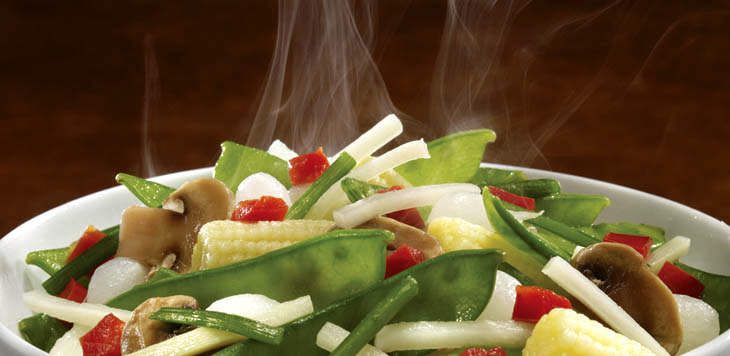
Grate your way – Add grated shredded or chopped vegetables such as zucchini, spinach, carrots and cabbage to mashed potatoes, meat dishes, rice, bulgur, wheat or lasagna.
Be fruit saucy – It’s time to experiment with fruits: make strawberry puree, banana, apples, peaches or pears and try them on grilled seafood or poultry, pancakes, toasts or even mix them with skimmed milk and crushed ice!
Toss in dried fruits – Try adding dried mangoes, papaya, raisins, prunes or apricots in whatever meal you are having whether you are baking homemade breads or cakes or in salads, sandwiches, rice, pasta, milk or pancakes.
Creative pizza – You’ll probably think I’ll suggest adding zucchini, broccoli, asparagus, carrots, bell pepper strips and tomatoes to your pizza, and yes, it’s true. But I also suggest you trying to experiment with fruits as well! Try adding pineapple slices, raisins, mango bits or even apple wedges. They will sure taste different – good different.
Mix fruits and veggies – Make a quick stir fry or boiled rice or pasta and add both fruits and vegetables to them! Start with small bits of raisins and experiment with one meal as a start.
Expand – Try new vegetables that you haven’t tried in your life. These could be local or not; either way give them a shot in a stew, salad, with rice or rice!
Lunch then fruit – Make a habit of packing one fruit for every member of the family to have after lunch.
Toss up a vegetable, fruits and legumes – Add colorful vegetables, legumes and fruits in your salad. Try adding rocket with strawberries, kiwi with romaine lettuce, beets with cabbage and chickpeas or carrots with spinach, lentils and raisins. Weird, yet creative and delicious combination!
Check this recipe from Italian food net
Make dips and spreads – spicy salsas can be made with bell peppers, tomatoes, onions, garlic and spices. For a new twist, add pineapples, peaches or mangoes! You can make baba ghanouj form eggplants with tomatoes and pomegranates seeds as a topping or chickpeas hummus with mint and strawberry bits! 
Stuff omelette time with veggies – In Lebanon, we have the habit of scrambling eggs with mint, tomatoes, cucumbers and probably onions on the side. This time try mixing your choice of onions, bell pepper, tomatoes, carrots or spinach with the eggs and baking them altogether.

Through these “out of the box” creative and colorful recipes, you, as a family, will probably learn how to enjoy fruits and vegetables for their vibrant colors, crunch and wonderful different flavors and in the same have enough fruits and vegetables fit in your diet. This way, you will sure increase your intake of healthful foods and stick to a hearty diet!


Source: American Dietetic Association - Complete food and Nutrition Guide, Roberta Larson Duyff

Wednesday, January 26, 2011

Eat Out for Life In Lebanon!


Eat Out for Life is a program in which you get to dine in Lebanon and in the same time contribute to the Children Cancer Center. 

It goes like this >> Between the 4th and 15th of February, whenever you dine in specific restaurants or pubs in the area, a percentage of your bill will be automatically donated to the center! The Children's Cancer Center of Lebanon (CCCL) is a non profit organization that provides treatment to children suffering from cancer at no cost on their families. It usually depends on donations and various support of the community through fundraising programs.

So you see it's pretty easy!
Have a meal at Gem, Pepe Byblos Fishing Club, Chicken & Cow, Flip Side, My Bar, Razzz Jazz Club, Cello, El Rancho, Yasmina, Sushiko, Couquely, Sophie's Choice, Viola, Ginette, Duo, Zinc, Charlie's, Fiona's, Gou, Lakay, Hard Rock Cafe, and the list goes on, check it out the participants here!

Donation is easier this way, it'll only cost you a meal. Notice that the timing is just perfect: spring break & Valentine's day! You could also use my Eating Right when Dining Out article while you're at it!
Spread it around & Bon Appetite!

Monday, October 18, 2010

Breast Cancer Awareness Month

Pink for October

Every year nearly 46,000 people receive the devastating news that they have breast cancer. Dealing with this diagnosis can be a confusing, lonely and frightening time not only for the person diagnosed, but for their partner, family and friends.

An annual mammography is necessary starting at age 40 even if you are in good health, early detection increases the chances of cure! One out of 8 women is at risk of having breast cancer. So don't be the next target.
Act now! The mammography is free in public hospitals and for 40000 LBP in participating private hospitals and medical centers till the end of the year.

So if you are in Lebanon, you can call the Hotline +961.1.511722

Thank you! You play  a vital role in helping your audience understand their risk, increasing awareness of the disease and raising funds for our crucial work. Sadly, the number of people diagnosed is rising every year which is why your support is so essential.

Breast Cancer Care’s unique strength lies in the way in which we combine our in-depth understanding of people’s experience of breast cancer with the clinical expertise of our staff. This puts our skilled Press team in the perfect position to help you to create the most compelling, eye-catching content this October. Choose from unique and inspiring case studies , comments from our leading team of clinical experts , access to our celebrity supporters , and a range of fabulous pink products , each providing a donation to the charity.

Check these websites and increase awareness around you!