Showing posts with label Snacks. Show all posts

Saturday, May 18, 2013

Healthy Ice Cream - Strawberry, Cashew or Chocolate Flavor?

I'm still munching on healthy snacks this may and this time it was ice cream time.
I looked up healthy ice cream recipes and found a one-ingredient ice cream only made from bananas! This was intriguing to try as it was totally healthy and I get to have my snack and fruit serving in the same time, win-win!

So the whole process is easy and it can be mixed up with different flavors, with one base of course - bananas. Therefore, I decided to have mine chocolate flavored, my sis wanted strawberry ice cream and my friend wanted his plain with cashews chops.

Ingredients
For 3 servings, each with a different flavor
  • 6 medium bananas
  • 2 teaspoons of pure vanilla extract
  • 4 tablespoons liquid unsweetened milk (I went for unsweetened rice milk)
  • 2 teaspoons unsweetened cocoa powder
  • 6 frozen strawberries
  • 8 raw unsalted cashews
Instructions
Chop bananas into coins and freeze
those little babies

Banana ice cream base
  • Start by chopping all the bananas into small coins and freeze them for few hours (I froze mine for 5 hours).
  • When your bananas are frozen, toss the 6 of them into your food processor, add 2 teaspoons of pure vanilla extract, add 4 tablespoons of rice milk and blend till you get a smooth creamy texture. This should probably take just a few minutes!
    >> Now we have our ice cream base which I divided into 3, given that we each wanted a different flavor.

Cashew chops with plain
banana ice cream

For a plain ice cream with cashew chops
  • Slightly grind the cashews into tiny chops.
  • Mix them with 1 banana ice cream serving.
    * Any kind of nut/nut butter can be mixed with the banana ice cream: cashew, almonds, peanuts, walnuts, hazelnuts, coconut flakes/chops - You name it! 
Strawberry banana flavor

For a strawberry flavored ice cream
  • Get 6 fresh strawberries, wash, chop and freeze them for 2-3 hours.
  • Once frozen, blend them pretty well with your base banana ice cream and garnish with some fresh strawberries.
    * Any kind of fruit can be tossed in here as well! Raspberry, blackberries, mango, kiwi, lemon, apricots - I mean summer is here and the fruit season is about to bloom.
And my favorite, chocolate!

For a chocolate flavored ice cream
  • Mix the plain banana ice cream with 2 teaspoons of unsweetened cocoa powder and that's it! This was my favorite by the way!
    * You can also mix your base with instant coffee powder or cinnamon as well.
And after preparing your flavored banana ice cream >> Freeze for few hours till solid. All flavors are easy, healthy and icy - perfect for a summer treat!


Friday, May 3, 2013

My Healthy Homemade Peanut Butter

I assume they mean something extraordinary,
especially that the brain creates new neural pathways with new experiences!
However, cooking new (easy) recipes and exploring the healthier side of snacks are on my to-do list.


Still 'revolting for food' with the Food Revolution Day coming up on the 17th of May, I'm creating my own homemade peanut butter for the first time! 

I love peanut butter, it's delicious, creamy, nutty and in the same time a healthy snack! Of course, it's caloric dense but in the same so rich in nutrients! Peanuts provide you with the good kinda fat, monounsaturated ones, along with minerals (copper, magnesium, manganese, iron), vitamins (E, B6, folate, niacin) and antioxidants (p-coumaric acid & resveratrol).
Sugar and hydrogenated vegetable
oil 
are major ingredients in
commercial peanut butter!
It has been a while since I last had peanut butter so I went shopping! Nevertheless while shopping for peanut butter, I couldn't help but notice most were super processed with hydrogenated fats and sugars. 

So I decided to make my own. Turns out, the 'recipe' is super easy. I got raw unsalted peanuts, dry roasted them in the oven, blended them and voila. It's really this simple! The whole process took around 20 minutes tops. 


Ingredients
  • 400 grams raw peanuts (depending on how much you want to make)
  • A pinch of salt, honey, molasses or unsweetened cocoa powder, if desired

Instructions
  • Spread the raw peanuts evenly in a pan and roast in your oven for around 8 minutes. Stir the mix mid-way. You can make the butter with raw peanuts, but roasting really enhances the flavor!
  • Blend the roasted nuts in your food processor (Steps 2 through 8) for 10 to 12 minutes.
    > Make sure not to blend them for straight 12 minutes, it might burn your food processor;s motor. 1-2 minutes per spin will do.
    > Don't worry about adding any extra oil. Once crushed, the peanuts release their own oils, softening the blend.
    > After every spin, briefly scrap down the mix with a spoon.
  • I wanted mine crunchy so I took few tablespoons from step 3 and mixed them with the final peanut butter product (Step 9).
  • I added a pinch of salt throughout the whole process. I don't like mine sweet so I didn't have to add any honey. So this depends on your taste buds!
  • Place your healthy peanut butter in a container and refrigerate. Now note that given its natural peanut butter with no emulsifiers, you will notice that the oil will slightly separate to the top when stored. Just stir it a bit before use.
So my healthy May after-workout snack was peanut butter with bananas and crushed hazelnuts. Quick, easy, satisfies my cravings and healthy!


My next butter, probably next month, will be cashews butter, rich and creamy!

Thursday, October 4, 2012

Healthy Green Fig Jam!

It's figs season now in Lebanon and we all know how moms and tetas rush to turn seasonal fruits into jams. Commonly jams are made with sugar, half-half. However, I found this recipe made 100 % from fruit!
Illustration by Rodrigue Harb - Left Hand Red Nose

It tastes yum, especially with walnuts and tahina! However, keep in mind that since sugar is not actually added to this recipe, its storage and expiry date are definitely different. You can store these fresh fig jam jars in a cool dry place up to one year, if still intact. Now once you open them, you better eat them in couple of days tops and store the jar in the fridge meanwhile. This is why go for smaller cuty-pie jars, you'll practice portion control!

Thursday, June 28, 2012

Fight Sugar, Know the Facts

Everyone is fighting sugar this summer, and it's about time!
More campaigns are targeting both parents and children to decrease their intake of sugar, especially those added sugars from sweetened beverages, cokes, candies, chocolate, ice tea, cookies, biscuits, jelly beans, cereals, pastries, doughnuts, croissants, cakes, flavored yogurts, milk shakes, ice creams, cereals, coffee drinks, canned foods, and we both know the list goes on!  Sugar is even found in condiments such as ketchup and salad dressings!

Two of the beautiful, smart campaigns again excess sugar intake are:

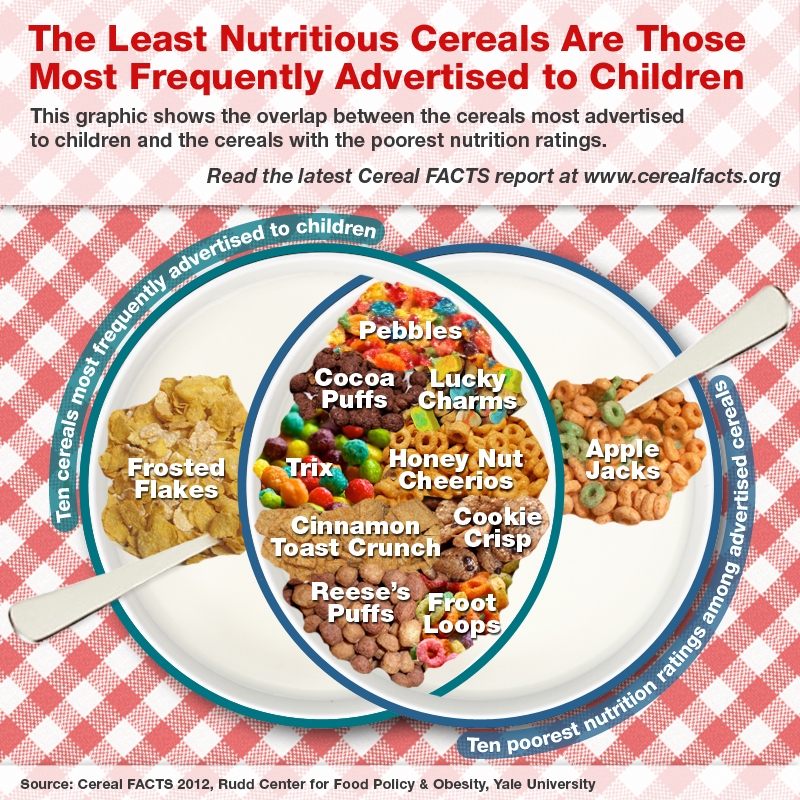
Cereal FACTS - Debunking all types of sweetened and unhealthy cereal and cereal products, especially those advertised for children. You can find top and bottom 10 lists of cereals by brands. Their information target both consumers and researchers with reports stating what is most advertised to children and which brands contain the most sugar content so let's hope they're not being lobbied by any side! You can heck their website here.

Photo from: Cerealfacts.org


Soda Free Summer  - Urges people to 'Rethink their drink' by fighting added sugars whether in carbonated beverages or other sweetened juices and drinks! Most people don't realize that they tend to gulp their calories in. In fact, half on the American population over the age of 2 consume sugary drinks everyday! Soda Free Summer explains how much calories and sugar various contain nowadays, how much exercise you need to burn them off, the unhealthy toxic effects of excess sugar intake as well as beneficial school tools. You can check their website, their twitter and their facebook page.

  
So why do we really care about added sugars?
  • Sugar increases tooth decay
  • Promotes weight gain
  • Acidifies your blood, such that your body will need to extract some minerals from your bones to buffer that acidity!
  • Increases triglycerides and therefore, increasing the risk of heart diseases and inflammation [Source]
  • Decreases your immune system by acting as a substrate for bacteria in your body
  • Increases the risk of skin aging, a much less famous crime
  • Increases the risk of cognitive impairment 
  • Some sugars like HFCS (High Fructose Corn Syrup) have been linked to increased risk of abdominal fat, increased insulin resistance and diabetes type 2, increased metabolic syndrome, fatty liver and increased LDL cholesterol.
  • More research is finding association with increased risk of cancer and more cancer! well. For instance, pancreatic cancer's risk increase by 2 times with increased sugar intake!
  • People who consume large amounts of added sugars tend to eat less nutritious food, resulting in poor nutrition as well as vitamin/mineral deficiencies.
  • Last but not least, very recent research links high sugar (mainly high fructose corn syrup - HFCS) intake to stupidity! High HFCS intake may highly affect the mind's long term ability to learn and remember! 

But why do they even add sugar to food?
Sugar tend to preserve foods, increase fermentation, give pastries and baked goods texture, add a unique flavor to foods [especially that we tend to prefer sweet tastes innately], and yea, because it's addictive so you'll definitely come back for more!

So the whole point out of this article is for you to Cut Down on your Sugar Intake.

1- Know the different names of sugar!Sugar can be simply called sugar/brown sugar, or its gazillion alternative tricky names from dextran, fructose, glucose, lactose, galactose, molasses, invert sugar, sucrose, corn syrup, high fructose corn syrup, beet sugar, barley malt, maltose, maltodextrin, honey, agave nectar, cane, cane juice crystals, caramel, maple syrup, sorghum syrup, turbinado, treacle, muscovado, panocha - some of which I can't even recognize!
Photo from: RefreshKansas.org

2- Check what ONE serving is! What manufacturers tend to do is mention how much calories, nutrients, sugars, vitamins, etc. there are per serving. But what consumers tend to think is that a whole package is one serving - and it's almost always NOT.
So let's take a look at the photo on the right. First, check what one serving is, in green. 1 serving is referred to as 'Serving Size'. This serving has 26 g grams of sugar, as shown in pink. Now the actual package has 2.5 servings, not just one, so do the math!

3- Know the linguistics
  • Sugar-free: there must be less than 0.5 grams of sugar per serving.
  • No added sugars/ Without added sugar is used if no sugar was added during processing
  • Reduced/less sugar is used when there is at least 25% less than a similar reference food so it doesn't mean it is low in sugar!
Photo from: Thearrowsoftruth.com


4- Know the ingredients' order
So when you check your label, which I'm hoping you will from now on, know that ingredients are listed in descending order of weight. On the right, you can find a coke's label where you can see that the 2nd ingredient is HFCS (High Fructose Corn Syrup)!
  

Sugar can definitely harm you, just like tobacco and alcohol so it must be regulated! Why isn't it regulated, you ask? Well, because the industry is making huge profits from their 'suga-baby' and taxing it would lead to less profit! In fact, in a report by the USDA (pdf file), taxing sweetened beverages could end up in decreasing total caloric intake and an estimate of 2 kilograms of adult and child weight per year, aiding in decreasing the worldwide epidemic obesity.

And no, don't go saying that sugar will give you the energy you need! Excess sugar intake will definitely increase your blood sugar steeply, only to cause a quick drastic decrease causing hypoglycemia - characterized by fatigue, nervousness, sweating, hunger and trembling! So pledge to start decreasing your intake gradually - you will benefit greatly!


Sunday, June 26, 2011

Your Guide to Smart Ice cream-ing


Ice cream isn't the healthiest treat, but given that it is everywhere during summer, you might want to know how to deal with ice cream bombarding your path! With the summery hot season finally here, you must be overwhelmed by the variety of icy desserts in the market. There are many terms like “low fat”, “diet”, “fat free”, “sugar free”, which could in fact confuse you.

Ice cream is typically made with heavy cream and saturated fat (the kind of fat you want to avoid and that increases your blood cholesterol and your risk of diabetes type 2 and CVD - to name a few of course) and yes you can be shocked to find that some brands can go up to 15 g of saturated fat, 400 calories in only half a cup of ice cream! Now that’s too much for an ice cream snack! So let’s say you went to McDonald’s and had an innocent hot fudge sundae – well you’re in for 340 calories and 9 grams of saturated fat! 

Why all those Calories and Fat?!
  • Extra syrups, sauces, nuts, cookies and chocolate chips - A 330 mL cup McFlurry ice cream made with vanilla base (370 cals) + an Oreo mix (200 cals) + hot fudge (150 cals) = 720 cals without even adding nuts, cream, chocolate chips or other extras. Even an innocent spoon of whipped cream can add 50 calories to your treat. Keep in mind that calories are the least of your problems, don't forget all sugars, preservatives, colorants and chemicals added to those extras! So if you would like to add an extra taste to your ice cream, go for freshly cut up fruits such as melons or strawberries as well as some chopped raw buts, but whatever you do, don’t go crazy with your mix-ins!
  • Coating - The rich chocolate coating that adds texture to your ice cream stick is mostly made of fat. For example, a Haagen Dazs bar or Magnum can load you up with 21 g of fat, without nuts!
  • Know your Cone
A cake cone, usually served with soft ice cream, has 35 cals
A sugar cone, usually served with scooped ice cream, has 60 cals
A waffle cone can go up to 100 to 150 calories alone
A cone (60) dipped with chocolate (120) = 180 calories without having any ice cream served yet!

Well, best choice, ditch the cone and go naked with your ice cream!
Not really:p

The key is to:

Know that by law, the word "light" ice cream must contain at least 50% less fat or 33% fewer calories than regular full fat/original versions. This does not mean that ice creams with “light” on their labels are healthy. There are light versions of ice cream that still contain 200 cals and 7 grams of saturated fat in just ½ cup of this light ice cream so don’t be fooled and check your label! Just keep in mind that when any product is low fat/fat free, it's super processed. The kind of food you would want to have once in a blue moon!

However, it's good to know the lingo!

If you want to make sure that you are having ice cream with low fat content, read “low/reduced fat” on the label. This way you will get 3 g of fat per serving for sure! You also want to stick to the serving indicated on the label because the 3 g of fat and the 120 calories that you just read, are only in 1 serving of ice cream = ½ cup (1 cup = 240 mL) of ice cream.

You can also go for sorbet, which is a frozen fruit dessert made with fruit puree and sugar. It is fat free; usually, also a good source of vitamin C. Sorbet comes in a variety of flavors like lemon, orange, mango and strawberries. However, even though it is fat free, this doesn’t mean that it’s sugar free! Keep in mind that sherbet is different. It has fruit juice indeed but often contains milk, egg white or gelatin to thicken and enrich it. It is actually the creamy version of sorbet.

Popsicles can be regular, fat free to sugar free. Some contain dairy but they are usually made with sugar and ice. It is, however, important to read the nutrition facts label and ingredient list to make sure that they are made from real fruit juice and to ensure that the serving contains less than 120 cals. For a healthier popsicle version, you can make home made popsicles by freezing real fruit juice/fruit puree or sugar free lemonade. Healthy, easy to prepare, icy and a yum treat for everyone in the family!

Look for the label “slow-churned, double-churned or cold-churned”. This refers to a process that reduces fat and calories while retaining the creamy texture of full fat varieties of ice cream. This process distributed the milk fat evenly throughout the product. So 1/2 cup has about 100 calories. Now I’ve looked for this "slow-churned" ice cream in Lebanon, but we still don’t have any so let's keep our hopes high!

While ice cream does contain calcium, it’s a bit ridiculous to recommend it for its calcium content, no? You can get your calcium from broccoli, dairy and dark green vegetables. I mean ice cream contains half the amount of calcium in an equivalent serving of milk so no point there!

I'm no fan of dairy nor of ice creams, but I know lots can't give up this treat during the summer. SO as a rule of thumb: Choose ice cream brands/products that contain per serving:
>> less than or equal to 120 calories
>> a maximum of 4 g of fat
>> 3 g of saturated and trans fats
>> 10 mg of cholesterol
>> 15 g sugar (equivalent to 3 teaspoons of table sugar!)

And the serving is ½ a cup so keep your portion sizes small so don't buy buckets of ice cream but rather, buy individual servings and read your nutrition facts label well!

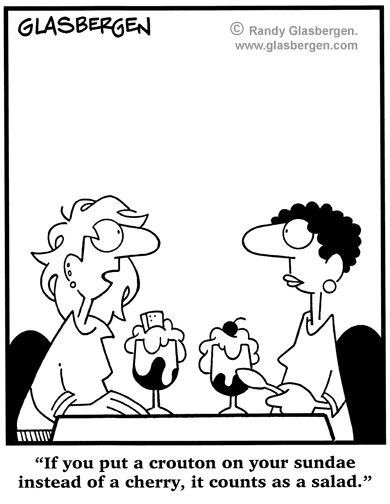
For many more cartoons, please visit Randy's site @ www.glasbergen.com.

Friday, February 25, 2011

Healthy Kids Snacks Ad in Beirut - Gone Wrong!

So I received an e-mail couple of days ago entitled: "*Company's Name* Beirut - Healthy Kids Snack". Intriguing, I said. Finally, some promotion for healthy snacks in my country for once!
Boy was I wrong! Unfortunately, all I got was what you see below.


  • So in their Ad, which is not shown above since I had to crop it out - their phone number was all over the poster, they said "Toss out the junk food and start making snack time fun again!"
    >> I'm sorry to say but what they are promoting FOR KIDS is what everyone calls junk food: Food high in refined carbohydrates, low in fiber, prepared with ghee/butter, high in sugar, high in trans and saturated fats!
  • They continued to market "When kids need that little something to get them through the day, this the collection to turn to"
    >> Wow! I mean whatever happened to the "common" ways of fueling your body with a bowl of skimmed milk, plain cornflakes and some fresh/dried fruits?
  • Now "All our products are freshly baked without preservatives and made with the best ingredients" Yummy! Best ingredients! I love those... but what are they again? Probably the best sugar or butter in the world? Yum-Yum!
  • Well from the huge variety given, you can only see one "your healthy cookies" description as a caption for the oat cookies -probably because these are the only ones with some fibers! So maybe- maybeee, these might be healthy, depending on how they are prepared.
Either way, I suggest that home-made cookies, plain cakes, cheesecakes, brownies and muffins should be taken in moderation for both adults and kids.

So next time it's SNACK TIME and "kids need that little something to get them through the day" 
>> Go for a cup of strawberries, a banana, a fruit salad, dried fruits, freshly squeezed juices, vegetable sticks, whole wheat toast with home made marmalade, multi-cereal kaak with a cup of skimmed milk, a handful mix of unsalted nuts, a cup of skimmed milk with plain cornflakes, a cup of plain skimmed yogurt with some mint and cucumbers, freshly made fruit smoothies, a cup of hot chocolate made with unsweetened cocoa! You can also mix "moderation with healthy" - a cup of milk with cookies, fruit dipped in dark chocolate or whole wheat pancakes with honey/marmalade/chocolate paste and fruit slices.

This way you will incorporate healthy eating in your kids' lifestyle, establish a healthy and clear idea of what healthy and unhealthy is, decrease any risk of childhood obesity and earlier onset of diseases, decrease dental caries risk, make sure they are getting enough vitamins, minerals, antioxidants, phytochemicals and fibers and above all "making their snack time fun"!

Sunday, February 6, 2011

Smart 3-Minute Brownies

I bumped into this "smart" 3 minute brownies on loled.net, so I thought of giving it a try - given that it will only take few minutes, so how hard can it be!
Turns out, it was easy, quick and d-e-licious!!

Ingredients
  • 4 tbsp all purpose flour
  • 5 tbsp sugar
  • 2 tbsp unsweetened cocoa
  • 1 egg
  • 3 tbsp powdered milk (go with low fat)
  • 3 tbsp oil 
  • Chopped walnuts (optional)
  • 3/4 cup of water (1 cup=240 mL)
  • 1 mug
Preparation:
  • Mix flour, sugar and cocoa together in the mug
  • Mix in 1 egg thoroughly
  • Mix the powdered milk with water separately then pour it in the mug (or you can mix the powdered milk with the flour, sugar and cocoa then add water - your call)
  • Pour oil and mix well
  • Add chopped nuts
  • Put in the microwave for 3 minutes on maximum power
  • Watch it rise and settle in the mug, then spoon your warm brownies out!
You don't have to be an experience cook to make it happen - deliciously if I might add. Best thing of all is portion-size control! No brownies left overs to stuff my face with later on. I just baked one mug of brownies and shared it with my mom and sister. It could actually be a smart idea if you have people over where each one will get to have his own small brownie. Just go with fancier microwaveable cups - not a home mug like mine.

Wednesday, January 5, 2011

BANANAAA!


Well, I'm a huge movies fan. I came across this last month after I saw the lovely Despicable me movie. However, I find that this short movie fits perfectly in my blog. Just let it buffer and check it out! I personally think we should all act this way around fruits: take them as snacks to work, school, university, wherever. They are trans/saturated fat/cholesterol/refined sugar- free and this way you will increase your intake of various minerals, vitamins and fibers!
Just so that you know, bananas contain vitamin B6, vitamin C, potassium, magnesium and manganese in addition to lots of fiber! Check these Top 10 ways to enjoy Bananas!

BANANAAAA... papple?

(Oh and "papples" have other kinds of minerals and vitamins, so variation of fruits in your diet will give you new and different health benefits every time!)

Five Ridiculously Good Foods!

Avocado 
These smooth, buttery fruits are a great source of not only "good" fats such as mono-unsaturated fats but other key nutrients as well. One Ohio State University study found that when avocado was added to salads and salsa, it helped increase the absorption of specific carotenoids, plant compounds linked to lower risk of heart disease and macular degeneration, a leading cause of blindness. “Avocados are packed with heart-protective compounds, such as soluble fiber, vitamin E, folate, and potassium,” says Elizabeth Somer, RD, author of 10 Habits That Mess Up a Woman's Diet.
However, they are a bit high in calories. To avoid weight gain, use avocado in place of another high-fat food or condiment, such as cheese or mayo and always keep in mind that, after all, it's a fat.  


Oatmeal 
Fiber-rich oats are even healthier than the FDA thought when it first stamped them with a heart disease–reducing seal 10 years ago. According to new research, they can also cut your risk of type 2 diabetes. When Finnish researchers tracked 4,316 men and women over the course of 10 years, they found that people who ate the highest percentage of cereal fiber were 61% less likely to develop type 2 diabetes.

To reap the benefits, eat 1/2 cup daily—preferably unsweetened. For a versatile breakfast, top with different combinations of fruit, yogurt, and nuts. You can also use oats to coat fish or chicken or add texture to meatballs. Check my more detailed article about Oats!


Salmon
Salmon is a rich source of vitamin D and one of the best sources of omega 3s fatty acids. These fats have a wide range of impressive health benefits: form preventing hear diseases to smoothing your skin, decreasing inflammation, aiding weight loss, boosting your mood and minimizing the effects of arthritis.
Moreover, omega 3 aids in decreasing memory loss and slows the rate of digestion, thus, making you feel fuller for longer! Watch out to get plenty of fish - at least 2 to 3 servings per week, this way your body will take its needs of proteins and omega 3 altogether! 


Apples
One of the healthiest fruits you should be eating or you probably already are, hence the saying: "An apple a day keeps the doctor away!" Fortunately, it's abundant in Lebanon. The Iowa Women's Health Study, which has been investigating women for nearly 20 years, names apples as one of only 3 foods (along with pears and red wine) that are most effective at reducing the riskof death from heart disease among postmenopausal women. Other massive studies have found the fruit to lower the risk of lung cancer and type 2 diabetes, even help women lose weight! Apples are rich in fibers, vitamins, minerals and water, so it's actually a win-win situation when you have yourself one of these!

However, keep in mind that one thing can make an apple unhealthy is when it's mixed with caramel, sugar, flour, butter or/& stuffed within a pie or on a tarte! Instead, have a fresh crunchy apple as a dessert or even added to salads!


Dark Chocolate
Yes, yes, dark chocolate! It is filled with flavonoid anti-oxidants that help keep platelets from sticking together, consequently clogging your arteries. It also can help decrease the risk of cancers with its anti-oxidative abilities. And there's more to add! According to a study from Denmark, it may also help you lose weight by keeping you fuller for longer! Researchers gave 16 participants 100 grams of either dark or milk chocolate and 2 hours later offered them pizza. Those who consumed dark chocolate ate 15 % fewer calories that those who had milk chocolate!
So not to make a huge fuss about it, have a small portion of 70 % cocoa or more from time to time! Desserts should not be banned if you are trying to watch your diet, just know what and how much to have!

Wait for more! Brought to you with amendment from Prevention website!

Monday, December 27, 2010

Marbled Chocolate Bark With Mixed Nuts


It’s Christmas and New Year’s time, practically, the season of delicious food! Now most people worry about gaining weight because of the irresistible yummylicious sweets offered all over this season! So I decided to hunt down something edible and delicious for this season. Looking around in A box of kitchen blog, I found this delicious recipe of marbled chocolate bark with mixed nuts!
It’s incredibly easy to make, quick and the best part of it, nutritious!
The ingredients you’ll need for a 24 x 18 cm baking pan are:
· Dark chocolate, 50 g
· White chocolate, 90 g
· Unfried, unsalted, unsweetened nuts (almonds, cashew, macademia, pistachios, walnuts, hazelnuts, etc.), 80 g
· You can also try adding mixture of dried fruits, crackers, biscuits, etc.
Nutrition facts:
Dark chocolate - 70 % cocoa - is rich in antioxidants, has a positive effect on one’s circulatory system, has iron, magnesium, manganese, a bit of vitamin K, zinc and riboflavin! Whereas white chocolate contains calcium, phosphorus, riboflavin and vitamin K. Keep in mind that both types of chocolate contain saturated fats so moderation is a MUST!
As for the mixed nuts, go for the unsalted, unsweetened version of them. They are rich in “good” fats: mono- and poly-unsaturated fats, lots of vitamin E, magnesium, manganese and some riboflavin, calcium, copper and phosphorus!
Preparation:
·         Place the mixed nuts in the processor and blend till the consistency you desire. I prefer the nuts to stay crunchy to the taste so keep them coarse – not very finely chopped, yet not too coarse.

·         Now break the chocolate bars into small pieces and place them in SEPARATE microwaveable bowls. Don’t cover them with any plastic wrap to avoid water coming from the steam. Heat them for 1 minute.


·         After 1 minutes heating, take out the bowl and stir the softened chocolate with a spoon and check if it needs more heating.
·         Line a baking pan with parchment paper, no need to butter it according to Arudhi
·         Place dollops of dark chocolate randomly on the pan. Then, place dollops of white chocolate on remaining spaces.


·         Now, get your rubber spatula and swirl the white melted chocolate within the black. Watch out to over mix the chocolate to keep a marbled color. The more you mix, the less marbly they get.
·         So it’s time to sparkle the nuts on your chocolate. Gently push down the loose nuts so they stick well onto the chocolate.


·         Place in the fridge for around and hour and a half to allow the mixture to stick altogether.
·         After it sets, slowly dislodge the bark from the paper.
·         Break the nutty-marbled-chocolate into chunks and serve!
So instead of gulping holiday sweets full of saturated fats and refined sugars, go for these healthier snacks!
This delicious recipe and mouth-watering photos are all courtesy of A box of kitchen.