Showing posts with label Moms and Pregnancy. Show all posts

Friday, August 3, 2012

Mother-to-Mother Breastfeeding Support in Lebanon!

The first week of august is 'Breastfeeding Week' and what better way to celebrate this day, increase awareness about breastfeeding and pledge its importance than to create a solid support system for moms in Lebanon! Therefore, this guest post - by Nadiya Dragan El Chiti, a breastfeeding activist certified from the WHO in “Exclusive Breastfeeding" - is much needed!

' Since beginning of 2011 when I started working in Lebanon as a breastfeeding specialist many things have changed: the awareness about breastfeeding has increased greatly, many hospitals are currently working on receiving a title of “baby-friendly” (which means “breastfeeding-friendly), there are lactation courses offered to medical professionals, the new City Center mall being built right now will have a breastfeeding area for its customers, there was even a TV ad released recently to promote breastfeeding! And my favorite change of all is that now we have several groups in Lebanon that offer free mother-to-mother breastfeeding support and encouragement, about which I will gladly tell you in this article! '

La Leche League International is now in Lebanon

LLLI
La Leche League International (LLLI) is the oldest and most reputable breastfeeding support organization around the world. For more than 50 years this organization has been growing and offering free of charge breastfeeding help and most up-to-date information on breastfeeding all over the world (see www.llli.org). The unique aspect of this organization is that it is run by volunteering mothers! Women who have successfully breastfed for about a year and have the passion to support other breastfeeding moms can apply for leadership and start representing LLLI in their area/country. Once accredited a new leader will start her own group in the area where she lives and will have monthly meetings for mothers in her area to attend. A leader is also trained to give free consultations on different breastfeeding topics to mothers who need help.

Now we have LLLI represented in Lebanon! You can join their facebook group “La Leche League, Lebanon, Middle East” and see when and where the next monthly meeting will be held in Lebanon! All the meetings are free of charge and are informal gatherings of breastfeeding moms where attendants bring their babies and freely discuss different breastfeeding questions and share their experiences with each other! You can also email the leader in Lebanon via askLLLinLebanon@gmail.com if you have a particular question in breastfeeding you would like to discuss.

Mama-to-Mama Beirut Breastfeeding Support group

This is another opportunity for face-to-face meetings for breastfeeding moms in Lebanon free of charge. This group is run by Tamara Drenttel Brand, MA, MPH, a newly accredited lactation educator counselor, and a mother of an adorable fully breastfed 11 month old baby boy! The group meets bimonthly and you can join their FB page “Mama to Mama Beirut Breastfeeding Support” to follow the discussions of the members and see when and where the next meeting will be held. You can also reach Tamara directly via mama2mamabeirut@gmail.com or 70/998062.

Facebook Breastfeeding Groups in Lebanon
                                                                         
So there is Tamara’s “Mama to Mama Beirut” and there is mine – “Breastfeeding in Lebanon” with more than 260 members at the moment. Both groups offer a safe space for mothers to discuss their current problems and questions in breastfeeding as well as share their frustrations and achievements while mastering this beautiful art of mothering – breastfeeding.  Tamara and me monitor the discussions on the groups and contribute to them with our knowledge as breastfeeding counselors. We also constantly put links of new research findings in breastfeeding and share breastfeeding news from around the world.

Breastfeeding Peer Counselors in Lebanon

Breastfeeding Peer Counselors
will support your choice of breastfeeding
This is the most recent and most exciting advancement Lebanon has made this year in the field of mother-to-mother support – 7 passionate breastfeeding moms in Lebanon have volunteered to take the course on peer counseling offered by Tamara Drenttel Brand through AUB, and now are ready to offer free breastfeeding mother-to-mother support in their areas! Breastfeeding Peer Counselors are volunteers with personal breastfeeding experience who are trained to help mothers breastfeed by offering support, education & encouragement.
 
Why do I want to be a peer counsellor?
I would like to be that phone number in a new mother’s phone that always answers, listens, doesn’t judge, speaks kindly and comes to her aid with solutions and support. I want to her to know that I have no agenda other than to support her in deepening and nourishing the love she already has for her new baby.ds to communicate her needs!!! Most life-changing for me though, was that she also arrived with a hearty appetite for the breastmilk I would make. And so began a relationship that I have huge difficulty even describing without sounding clichéd. ‘Empowering’ is probably the word that captures best what breast-feeding has meant for me – I thought giving birth was my body performing at its best but I really no idea that it was capable of so much more. Feeding my baby with milk made from my own body has just been an incredibly intimate and loving experience.
Why do I want to be a peer counsellor?
I would like to be that phone number in a new mother’s phone that always answers, listens, doesn’t judge, speaks kindly and comes to her aid with solutions and support. I want to her to know that I have no agenda other than to support her in deepening and nourishing the love she already has for her new baby.
Contact info of all the counselors! 

Please feel free to contact any of them if you have questions about breastfeeding or need some support and encouragement to continue breastfeeding! Our breastfeeding peer counselors are waiting to hear from you!


Hayat Karanouh Naboulsi ‎  
(Beirut)
Phone: 03/33 37 36, Email: hayatkaranouh@gmail.com
Languages: Arabic, French & English

Sinead O'Dea  
(Beirut)
Phone: 76/121929, Email:
sineadodea@hotmail.com
Languages: English & Spanish

Farah Barbir Ounsi 
 (Beirut)
Phone: 03/631776, Email: farah.barbir@gmail.com
Languages: Arabic, English & Some French

Brooke El-Amine  
(Ras Beirut)
Phone: 70/113051
Language: English


Elizabeth Abi Khalil 
‎(Jbeil, Jounieh & Batroun)
Phone: 03/187683, Email: Elizabeth.abikhalil@gmail.com
Languages: Arabic, French & English

Angela Bonifacio   
(Fanar)
Phone: 70/247 747, Email: lala_bon@yahoo.it
Languages: English, French, Spanish & Italian

Carole Bourjeily Bou Habib  
(Horsh Tabet & Sin El Fil)
Phone: 03/799177, Email: carole@iforinterior.com
Languages:  Arabic, French & English


Breastfeeding is the most beautiful gift a mother can give to her baby and herself! Now we have so many mother-to-mother support opportunities in Lebanon! Help, advice and an encouraging word is just a phone call away and at the tips of your fingers on Facebook! We are waiting to hear from you, ladies!


Guest post by Nadiya Dragan El-Chiti

Nadiya Dragan El-Chiti is a graduate from the University of Maine, Orono (USA), with Master’s Degree in Communication and a certificate from World Vision in coordination with WHO for accomplishing an intensive training in “Exclusive Breastfeeding”. In 2009 after giving birth in Lebanon and starting to nurse her own daughter. Mrs.Nadiya developed a great passion in breastfeeding and decided to start on a new path as a breastfeeding activist spreading the knowledge about this beautiful way of mothering  to all the Lebanese women around. It started as a small informal gathering  with friends one winter evening and turned into a series of monthly seminars – intensive programs of several hours each intended for pregnant mothers and anyone interested in breastfeeding providing all the essentials tips and practical techniques to ensure that every mother in Lebanon can have a successful and enjoyable experience. In addition, Mrs. Nadiya also provides personal support and assistance to mothers who already gave birth and are facing challenges in breastfeeding.
Breastfeeding is simple and natural, but only if the mother knew how to do it and what to expect.
 
 * This post is published in Moms and to Be magazine - June, issue 42 [Republishing authorized by Nadiya Dragan El-Chiti]

Tuesday, May 22, 2012

Pregnancy, Lactation and Fish

Omega-3 Fatty Acids are polyunsaturated fats that are considered to be essential to our bodies: this means your body cannot make them on its own, rather they have to come from your well balanced diet. Studies show that a diet rich in omega 3 fatty acids may help regulate triglycerides blood levels as well as increase HDL cholesterol (the good cholesterol). Omega 3 fatty acids may also act as an anticoagulant to prevent blood from clotting which may help to lower high blood pressure and they have been associated with decreased inflammation, increased agility and boosted brain function!

Sources of omega-3s
> EPA and DHA (Eicosapentaenoic acid and docosahexaenoic acid)
Such as fatty fish, such as salmon, mackerel, trout, herring, halibut, sardines, tuna as well as omega-3 eggs (which are fortified with DHA) and algae (seaweed).Cod liver oil is not a good source of omega 3 acids since it may cause toxicity in excess amounts due to its high levels of Vitamin A and Vitamin D so fish oil is better!
  • Green leafy vegetables
  • Nuts and seeds, especially walnuts, flaxseeds and pumpkin seeds
  • Vegetable oils such as canola, soy and flaxseed oil
  • Supplements – it’s best to get fish oil that contains both DHA and EPA. Know that up to 3 grams of fish oil per day in pregnancy is safe so take no more than 3 g! And always consult your doctor or licensed dietitian before you go for supplements!
> ALA (Alpha-linolenic acid)
Our bodies can convert ALA into EPA and DHA but the conversion process is slow so both sources are important!

What are the benefits of Omega 3 fish oils?
Most scientists and health professionals agree that omega-3 fish oil contains a wide range of health benefits pertaining to seriously many different areas of the body! We’ve already mentioned a few earlier, but check out how valuable omega-3 is for you as well as your baby!

  • Circulation – By regulating your blood lipid profiles and decreasing clotting risks.
  • Heart – By helping reduce the risk of arrhythmias (irregularity of the heartbeat) and sudden death by a heart attack.
  • Brain – Better brain function though more efficient neurotransmitters leading to improved concentration, memory and less likelihood of depression.
  • Joints & Arthritis – Better joint function from reduced inflammation and a reduction in pain.
  • Skin – Improves the health and appearance of your skin, helps keep nails and hair healthy.
  • Immune System & Cancer – A stronger immune system, proven to be beneficial for the body’s immune function and a lowered risk of breast and prostate cancer.
  • Vision – Improved focus, color, perception and clarity of vision.
  • Digestive System – By improving intestinal health and reducing inflammation in cases such as Irritable Bowel Syndrome.
  • Allergies – Omega-3 fatty acid intake by mothers during pregnancy may protect babies against the development of allergies.
  • Diabetes – Fish oil enhances insulin secretion from beta cells in the pancreas, regulating blood sugar levels especially DHA.
  • Because omega-3 fatty acids are needed for the development of the brain, nervous system and immune function. This is important for both mom and baby especially during the growth spurt in the last trimester and after birth.
  • Adequate omega-3 intake during pregnancy is associated with appropriate birth weight, head circumference, cognitive development and fewer preterm births.
  • Your fetus gains 50–60 milligrams (mg) n-3/day during the last trimester (mostly DHA) so it’s important to have reserves for both of you!
  • During lactation, as a mother, your body loses 70-80 mg DHA per day and your stores decrease by 30% after birth, so you need your diet to provide you with sufficient amounts
  • Studies have found that omega-3 fatty acids from the maternal diet are found in both breast milk and in fetal cord blood, so yes mommy, you are providing your baby with his/her needs of omega-3s! Your baby can only get EPA, DHA and ALA from your diet.
So why is it important to get enough omega-3s when you are pregnant and breastfeeding?
Omega-3s and safety issues
·  Eat fish with the lowest mercury levels such as salmon, canned tuna, anchovies, cod, herring, lobster, mackerel, lobster, scallops and shrimp
·  Do NOT eat shark, swordfish, king mackerel or tilefish because of high mercury levels
So what’s up with mercury?
Nearly all fish and shellfish contain traces of mercury. The calculation is quite simple: Mercury exposure is passed up through the food chain:
·   Bigger fish accumulate more as they eat smaller fish
·   Older fish tend to have more mercury because they have been exposed to mercury over a longer period of time!
And just so that you know, mercury occurs naturally in the environment but also enters the atmosphere and water from human activities. Mercury can be emitted from fossil-fuel burning plants and automobiles into the air. Then it falls to the ground in rain and snow and enters streams, rivers and lakes.

Recommendations

  • Pregnant or breastfeeding women are recommended to have at least 2 servings of fish per week - particularly fatty fish that are high in omega-3 fatty acids from the variety that are low in mercury.
  • Each "serving" is equivalent to about 100 grams of cooked fish, or about 3/4 of a cup of flaked fish. So eat at least 220 grams and a maximum of 330 grams of fish.

Cooking
·    Fish sometimes carry parasites and if the fish is eaten raw or lightly preserved, parasites become a concern.  The most common of these parasites are nematodes (also known as "cod worms" or "herring worms") and tapeworms.  Nematodes, though rarely a problem, can infect a human host and cause limited digestive problems for a week or so.  Tapeworms are much worse: they can live in the human digestive tract for years, growing up to a couple of yards long, causing severe pain, weight loss and anemia. The good news: These parasites are killed when fish is properly cooked to an internal temperature of at least 63 °C.
Therefore when pregnant, avoid eating raw fish and make sure your fish is well prepared!
·    As for refrigerated smoked seafood, these may pose an increased risk of a bacterial infection called listeriosis for pregnant women, older people, and people with weakened immune systems.  These are usually labeled on your food package as "nova-style" "lox" "kippered," "smoked" or "jerky”, so read your labels and avoid them!


So to sum it up, omega-3 fatty acids are highly important in your diet for both you and you baby! Don’t overdo it and have fish like crazy, have well-cooked right amount and right type of fish and seafood to get their valuable benefits!

Photos:

Sunday, February 26, 2012

Exercising for Two!

Exercising for Two
is a must (photo source)
Exercise is a very crucial part of a healthy and active lifestyle. However, when it comes to exercising for two, the benefits are double! So, if you know someone who is pregnant, encourage them to exercise - they need all the support they can get!

Benefits of Exercising

  • Exercise is a mood booster. Because exercise increases the secretion of endorphins, brain chemicals that make one feel good; it is therefore very relaxing and calming to exercise. Studies have shown that exercise during pregnancy is correlated with a lower risk of anxiety as well as depression

  • Exercise during pregnancy may also play a role in decreasing the risk of gestational diabetes. Gestational diabetes is a type of diabetes in which blood sugar is not regulated properly and is experienced for the first time during pregnancy. It usually goes away when mothers give birth, but if not managed well by proper eating and exercise supervised by your doctor, it may have serious complications!

  • Exercise improves your blood and oxygen flow and thus provides better circulation between you and your baby. The blood is purified from carbon dioxide more properly, more oxygen reaches your baby, nutrients are better transported through the placenta and toxins are more excreted!

  • Exercise also provides you with energy! Because it improves blood circulation as well as strengthens both muscles and bones, it will decrease any heavy load or sluggishness you are feeling and will keep you energized and active all throughout your pregnancy.

  • Exercise helps regulate your blood pressure. This way, it can aid in decreasing the risk of preeclampsia – high blood pressure experienced with pregnancy. It is important to discuss everything with your doctor, of course.

  • With pregnancy, there is a lot going in your life! Exercise can thus help in relieving stress and anxiety at all times. It is the time you have for your own!

  • Studies have also correlated easier and smoother labor with how active your lifestyle is. Therefore, exercise may prepare you for labor, decrease the risk of preterm delivery and may assist in faster recovery from childbirth!

  • Exercise helps in toning up the peristalsis movement of you bowl thus decreasing the chances of constipation.

  • When you exercise, yes, you are definitely exercising for two! With an active lifestyle during pregnancy, this increases your baby’s chance to start his or her life with a healthy body that pumps with energy, with proper circulation and with a healthier body weight!


So what are some exercises that are pregnancy-friendly?
  • Swimming is by far the best exercise I recommend during pregnancy. Without putting pressure on your knees and swollen joints, swimming properly can help in keeping you active, decreasing joint and back pain as it will make you feel lighter while exercising!

  • Stretching is also a must during pregnancy. As smoothly as possible, try to stretch all your body from hips to thighs, ankles, waist, back, hips, calves and knees! These will help keep your motion flexible during pregnancy, help your edema, circulation and will help in decreasing any back pain.

  • You may also want to try some low impact aerobics that will increase your lung capacity and pump your blood properly. Just make sure to take it easy throughout your exercise.

  • Walking is also a very common exercise many pregnant mothers choose to go for in Lebanon. If you don’t usually walk, start smoothly 3 times per week and increase your speed and walking time a bit every week. Remember, no need to intensify your exercise regimen all at once! If you also jog or run, you can enjoy a bit of running but if you are new to this, talk with your doctor ahead of time.

  • Yoga is one more exercise that is gaining some popularity. Yoga can help you relax, breathe better and stretch more. However, it is very important not to go to extremes, check with your fitness trainer what moves are ok to perform and what to avoid and if any move doesn’t feel comfortable, avoid it!

  • Kegel exercises are as well a very important type of exercise all pregnant mothers can benefit from. The whole point behind them is to strengthen your muscles that hold up your uterus, bladder and bowls, thus helping you in labor and delivery. These exercises may also help in preventing hemorrhoids and support your muscles for baby growth. Fun part is that they can be done anywhere and at anytime! You just work on squeezing your pelvic muscles for five seconds then relaxing them, as if you are trying to stop urination or passing gas! Just repeat these exercises 10 times for 5 separate or consecutive times each day!

Walking is an easy exercise,
just make sure to hydrate well
(photo source)

Safety Tips

  • It is very important to keep in mind that you should take things easy! Exercise is supposed to be fun, so if you think 30 minutes is too much, try breaking them into 2 separate 15 minute-exercise. Try your best to find your favorite exercise; after all, you want to enjoy it!

  • Keep in mind never to overdo it! You don’t want to over burden your heart and lungs and therefore, if you are new to exercise, start off slowly and if you are used to exercising, listen to your body and don’t exercise to a point where you are heavily perspiring and out of breath!

  • The position you choose during exercising is as important. Don’t lie on your back after the first trimester of pregnancy because this might restrict blood flow. Shift to your left side if you feel uncomfortable. Moreover, don’t perform exercises that decrease your ling space such as bending forward with your head down or eve curl-ups!

  • Don’t use exercise to lose weight while pregnant. Gaining enough weight if very crucial for you and especially your baby’s health. This is why it is crucial to always monitor your weight and discuss any weight loss with your doctor.

  • Keep yourself properly hydrated at all times. Hydrate before exercise, during (a whole glass of water every 10 to 15 minutes is necessary to replenish any fluids lost) as well as after exercise – meaning: hydrate well at all times!
  • Do not exercise in very humid, high temperature or high altitude areas.

  • Don’t go nuts over extreme exercising and don’t overburden yourself. Some sports such as basketball, football and volleyball may increase your risk of bumping into others and outdoor bicycling, skiing and horseback riding for example can all increase your risk of falling!Make sure to wear non-slippery shoes and choose stationery machines such as fixed bicycles instead of bicycling outdoors – this will decrease any chance of you tripping or falling down.

  • It is preferable not to exercise if you are anemic, if you have a history of miscarriages, if you have heart, lung, joint or muscles problems, if you have diabetes or preeclampsia or if you are expecting twins. This is why it is always crucial to consult with your doctor at all times.

  • Last but not least, listen to your body! If you feel dizzy, out of breathe, nauseated or if you feel some muscle weakness, chest pain or contractions, stopping and discussing it with your doctor is definitely best!


The benefits of exercising during pregnancy outweigh being a couch potato mama-to-be! You will be benefiting your body, your mood, your health as well as your baby’s! So find what exercise you like best and squeeze it in to exercise for two!

*This post is dedicated to my childhood bestie, Rita, who will be giving us Zoya in 3 weeks to come!


Information source:
 

Sunday, August 28, 2011

"Breastfeeding Basics" Seminar

Even though breastfeeding is nature's way of providing nutritional needs for infants, the "art" of breastfeeding and the techniques may not come as naturally!
Therefore, Moms and to Be is organizing a public seminar targeting working mothers, mothers with newborns and moms to be planning to breastfeeding to provide them with credible, trust worthy information about breastfeeding basics, essentials and practical tips from a certified breastfeeding specialist!

So when and where is it?
It will be held in Sin El Fil cultural center, Lebanon on the 6th of October from 4.30 pm till 7.30 pm.

What's cooking in this seminar? 
  • Basic principles of breastfeeding
  • How to increase milk flow
  • Breastfeeding positions that are helpful for comfortable and successful lactation
  • Early hunger cues of babies
  • Babies needs of water and vitamins
  • Dad's role in the breastfeeding process
  • Feeding babies at night time
  • When to introduce bottle feeding
  • What to do if moms are sick
  • How to know if babies are getting enough milk for proper growth and development
  • The process of pumping and storing milk
  • The recommended duration for breastfeeding

The session will be fun and educational! Starting 4.00 pm, there will be a welcome coffee break and snacks will be ready for early arrivals and better yet, a special animation is foreseen for your kids all through the session! Free parking is also available at the center so for more information, contact 01.566 999!


Friday, August 5, 2011

Breastfeeding Week in Lebanon

Al-Safir Website [Link]
I love it when issues as important as increasing awareness about breastfeeding are emphasized on in Lebanon. In fact I got this online article via http://daasetsobbat.blog.com/ aka @Yara_Assi who actually participated in making this event a successful one!

Spread the word about breastfeeding and provide every mom and mom-to-be with this user friendly, very beneficial Hotline: 03.824100 that provides useful information and tips about breastfeeding!

Friday, July 8, 2011

New mommies: Puréed foods has been made super easy!

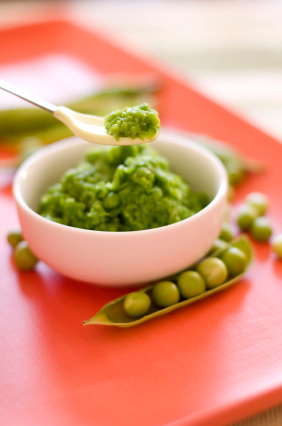
Weaning is all about getting your baby used to moving food around their mouth that is not liquid.  It will take time for your baby to perfect this new mouth action, so don’t worry if more food ends up on the floor, hands and clothes than in their mouth at the beginning! It’ll be messy but this is definitely your baby’s time to explore! When weaning, the best first foods to choose for your baby are puréed fruits and vegetables as well as non wheat cereals such as baby rice, which is hypoallergenic and thus has a low risk to promote food allergies. These are actually easy to prepare at home – fruits and vegetables are smooth when puréed and thus are of an "easy to swallow" consistency.  At first, offer few teaspoons (using a soft tipped spoon) once a day before a milk feed, and gradually increase the amount and frequency

Homemade purées
It’s easy to make purees and other foods for your baby and this way you know exactly what they are eating. You can make a variety of fruit and vegetable purees – try apple, pear, banana, mango, sweet potato, carrot, zucchini and more!  Some require the food to be cooked first (e.g. apple, carrot) but others require no cooking like bananas and mangos!


Method
  • Wash, peel and chop the fruit or vegetable of choice.  If it needs to be cooked first, steam or boil it until it is soft but not overcooked. I honestly prefer all organic fruit and veggies for the family, especially the kids to minimize unhealthy pesticides and genetically modified components (which are not labeled yet, alas!) 
  • Blend it in a liquidiser or mash if using soft fruits like banana
  • Allow the food to cool if cooked and check its temperature before giving it to your baby.
To save time – make purees in batches and freeze them in covered ice cube trays.  Allow the puree to cool before freezing and then pop the frozen cubes into freezer bags.  This way, you have a smart, quick and ready supply of different purees to feed your baby 
When you reheat the puree, allow to defrost first and make sure that it is piping hot and allow it to cool before giving to your baby.  Do not reheat foods for your baby more than once and discard any uneaten food. For purees that do not need to be heated (e.g. fruit purees), make sure it is fully defrosted before feeding to your baby. Heating baby food in the microwave is not recommended due to uneven distribution of heat. Therefore, warm baby’s meal in a bain-marie and when choosing to use the microwave, stir well in order to equally spread the heat!
So for all new mommies out there, puréed foods has been made super easy!

Thursday, July 7, 2011

Healthy Weight during Pregnancy

Pregnancy is the time to gain weight; however, women should not use this time as an excuse to eat more than is necessary. The amount of food a woman needs during pregnancy depends on many factors such as your body mass index before pregnancy, the rate at which you gain weight, age and appetite. All pregnant women should eat a variety of nutrient rich foods every day and may also need to take a vitamin and mineral supplement if recommended by your doctor.

Many women start off pregnancy by being overweight or obese or many may gain weight in amounts more than is healthy during their pregnancy. Risks of problems during pregnancy and delivery are lowest when weight gain is kept within a healthy range and thus obesity during pregnancy is risky for both mother and child.

Weight Gain Guidelines

The latest weight gain guidelines by the Institute of Medicine are based on a women’s BMI before pregnancy. Your body mass index (BMI) measures your weight in relation to your height. It is an accurate way of telling whether your weight is within a healthy range. To calculate your BMI, divide your weight in kilograms by your height2 (meaning height x height) in meters.

The amount of weight you should gain depends on what category your pre-pregnancy BMI lands in:

Pre-pregnancy BMI
BMI
Total weight gain
Rates of weight gain
2nd and 3rd trimester (average range/week)
Underweight
Less than 18.5
13 - 18 kg
0.5 - 0.6 kg
Normal weight
18.5 to 24.9
11 - 16 kg
0.4 - 0.5 kg
Overweight
25 to 29.9
7 - 11 kg
0.2 - 0.3 kg
Obese
30 or more
5 - 9 kg
0.2 - 0.3 kg

The overall weight gain will be divided among:

  • At birth, a baby weighs about 3.3kg
  • While the rest of the weight could account for the placenta, amniotic fluid and various body changes such as increasing the uterus muscle layer, increasing your blood volume, extra fluids and 3-4 kg of fat storage needed for energy during breastfeeding.

Now if you are pregnant with twins, eating right and gaining the recommended amount of weight is even more important especially that there is a higher risk of preterm labor and low birth weight in a multiples pregnancy. Weight gain is especially important between weeks 20 to 24 of pregnancy. If a mother of twins gains 11 kg by the 24th week of pregnancy she reduces her chance of preterm labor. Early weight gain is also vital for the development of the placenta which aids in the passing of nutrients to the babies.

Most women who are carrying twins are encouraged to gain 16 to 18 kg and women carrying triplets are advised to gain 22 to 27 kg. At this time there is not enough information on quadruplets and quintuplets to suggest any guidelines. Because opinions vary, it is important to discuss your specific weight gain with your healthcare provider who will be most familiar with you specific healthcare needs.

What if moms-to-be are overweight?
If you had a high BMI before you conceived you should try to limit the amount of weight you put on. Putting on a lot more weight is not good for you or your baby. It may increase your risk of complications during your pregnancy and labor. These complications could include:
  • Gestational hypertension (high blood pressure)
  • Gestational diabetes
  • Back pain
  • Extra strain on your heart
  • Having a big baby(NCCWCH 2008b:34)
  • Cesarean delivery
  • Birth defects

However, don’t think that dieting during pregnancy is the key. It won't reduce your chances of developing high blood pressure. It's also unlikely to affect your risk of pre-eclampsia, which is related to blood pressure.  Instead, have yourself and your baby a healthy diet and gain just the right amount of “healthy” weight! Cut out snacks that are high in fat and sugar, such as chips, biscuits, cakes, sweets and ice cream, and replace them with more nutritious snacks such as fresh fruit, wholegrain cornflakes or grain, low fat dairy products (cheese, milk and yogurt) or a handful of dried fruit or unsalted non roasted nuts.


What if moms-to-be are underweight?
If you are underweight pre-pregnancy, you may be more likely to have a premature of low birth weight baby. Babies who are born early and small sometimes need extra care when they are born. (NCCWCH 2008)

Your baby is not a parasite, it will not feed off your own stores and thus your body will provide you with nutrients before your baby, who will only get what’s left. This is why it is crucial to have a balanced diet filled with plenty of nutrient rich food, in addition to a multivitamin/mineral prescribed by your health care provider. Keep in mind that the more variety there is in your diet, the less likely you are to go short on any necessary nutrient.


Calorie Intake


In general, pregnant women need between 2000 calories and 2900 calories a day, but of course the exact calorie amount should be assessed with the help of a dietitian. A gradual increase of calories as the baby grows is the best strategy to go around this. Here is an overview of how calorie needs change during each trimester:
  • The first trimester does not require any extra calories.
  • The second trimester requires an added 347 calories a day.
  • The third trimester requires 452 calories more a day. 
So you see, you don’t really need huge amounts of calories if you are pregnant (not the eat for 2 theory) so avoid extra calories by cutting down on sugary and fatty foods. Replace regular soda, sweets and fried foods with healthy options like low fat milk, whole fruit and whole grains!