Saturday, January 8, 2011

ALL you need to know about HIGH Cholesterol!


Cholesterol, HDL, LDL…we often hear about them but what are they really?? It may seem confusing at first but challenge yourself and learn more about them because they come in hand to protect yourself and lower your risk of heart attacks and strokes!


What is cholesterol?
Cholesterol is not something to fear. It is found in every cell of the body and is actually essential for many processes like digesting fat and producing many hormones. But when it becomes high, either from overproduction by the liver or from too much dietary cholesterol, well, I can’t but say that it’s serious.
There are two types of cholesterol:

  • HDL: This is considered to be the “good” cholesterol and it stands for high density lipoproteins. They help carry cholesterol through the body so it can be broken down. A higher number is better.
  • LDL: This “bad” cholesterol is short for low density lipoproteins. They are part of the plaque that forms and block your arteries. The lower number in the range, the better.


Now what are we comparing against? These are numbers, I know, but they are numbers you should be aware of just to know where you stand.


Status
Total Cholesterol
LDL cholesterol
HDL cholesterol
Normal
Below 200 mg/dL
40-100 mg/dL
50 mg/dL and higher
Borderline
200-239 mg/dL
100-129 mg/dL
40-50 mg/dL
Unhealthy
240 mg/dL and above
130 mg/dL and above
40 mg/dL and below


Now what causes high cholesterol? Every person in nature inherits genes that influence his or her cholesterol level, now we can’t actually control that. However we should know that a diet high in saturated fat and trans fat can also increase blood cholesterol as can obesity and a sedentary lifestyle. We will talk about the risk factors shortly, but the big question here is: Why this huge fuss about high cholesterol?


The problem with high cholesterol! The problem lies in the deposits of cholesterol called plaque that sticks on the inside of you arteries and block the blood flow. This buildup is called atherosclerosis, it sure is a big word, but in fact it’s a state that increases the risk of blocking your coronary arteries that increases the risk of heart attack and/or that blocks the blood flow to the brain and would lead to a stroke.


 As we said, there are risk factors to high cholesterol. In fact, these are divided into 2 categories, those you can control and those you can’t.
Those you really can do nothing about:
  • Age: Cholesterol levels rise with age. After age 20, you should get a cholesterol test at least once every five years and your doctor may recommend more frequent testing is he finds that you have other risk factors.
  • Gender: After menopause, women’s LDL levels tend to rise.
  • Heredity: If high cholesterol runs in the family, well these are your genes talking and it is best if you get frequent testing.


But what about what you CAN control?!
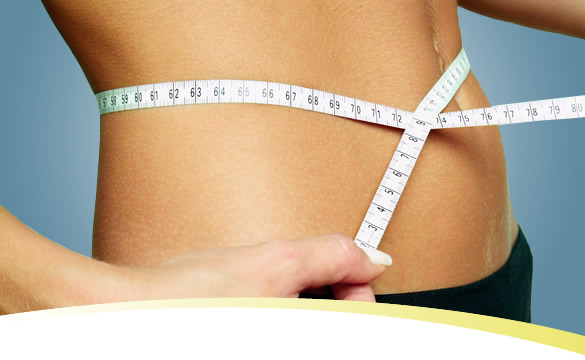
  • Excess weight: Being overweight can increase your cholesterol.
  • Sedentary lifestyle: “Couch potatoing”, if I may say, is not OK whereas regular physical activity helps lower LDL and raise HDL.
  • Diabetes: High blood sugar increases cholesterol levels and damages the lining of your arteries.
  • Smoking: Cigarette smoking lowers HDL and increases the likelihood of blood clots.
  • Medications: Certain medications can cause high cholesterol. Talk to your doctor about any medications you are taking just in case!


So…What can we do??


  • Start by 150 minutes a week of exercise and distribute them however you like as long as you increase your heart rate. Quick pace walking, swimming laps, riding bikes, all are considered to be aerobic and helpful.
  • Go for weight loss. For each 2 ½ kg you lose, you increase your HDL by 1 mg/dL and trimming 500 calories a day if you are overweight you help decrease your LDL by 5 to 20 percent. Just know that losing weight and maintaining it would help you no matter how modest it is, keep it up!
  • Food, food, food!
    -To increase your HDL: Avoid tans fats and hydrogenated fats that are found in commercially baked goods, eat monounsaturated oils like olive oil and eat 2 to 4 servings of baked fish!
    -To decrease your LDL: Eat foods rich in sterols like bran, oats, whole wheat, brown rice, peas, beans, walnuts, peanuts, almonds, broccoli and apples. Moreover, limit your cholesterol and saturated fat in your diet found in fried foods, whole dairy products and non lean meats. Another nutritional tip would be to increase your intake of fibers! 25-30 grams of fiber found in vegetables, whole grains, legumes and fruits are always a plus!
  • Lifestyle changes like quitting smoking and limiting alcohol drinks to no more than 2 per day would help as well.
  • And finally, medications prescribed by your doctor and your doctor only would help as well.

Wednesday, January 5, 2011

BANANAAA!


Well, I'm a huge movies fan. I came across this last month after I saw the lovely Despicable me movie. However, I find that this short movie fits perfectly in my blog. Just let it buffer and check it out! I personally think we should all act this way around fruits: take them as snacks to work, school, university, wherever. They are trans/saturated fat/cholesterol/refined sugar- free and this way you will increase your intake of various minerals, vitamins and fibers!
Just so that you know, bananas contain vitamin B6, vitamin C, potassium, magnesium and manganese in addition to lots of fiber! Check these Top 10 ways to enjoy Bananas!

BANANAAAA... papple?

(Oh and "papples" have other kinds of minerals and vitamins, so variation of fruits in your diet will give you new and different health benefits every time!)

Five Ridiculously Good Foods!

Avocado 
These smooth, buttery fruits are a great source of not only "good" fats such as mono-unsaturated fats but other key nutrients as well. One Ohio State University study found that when avocado was added to salads and salsa, it helped increase the absorption of specific carotenoids, plant compounds linked to lower risk of heart disease and macular degeneration, a leading cause of blindness. “Avocados are packed with heart-protective compounds, such as soluble fiber, vitamin E, folate, and potassium,” says Elizabeth Somer, RD, author of 10 Habits That Mess Up a Woman's Diet.
However, they are a bit high in calories. To avoid weight gain, use avocado in place of another high-fat food or condiment, such as cheese or mayo and always keep in mind that, after all, it's a fat.  


Oatmeal 
Fiber-rich oats are even healthier than the FDA thought when it first stamped them with a heart disease–reducing seal 10 years ago. According to new research, they can also cut your risk of type 2 diabetes. When Finnish researchers tracked 4,316 men and women over the course of 10 years, they found that people who ate the highest percentage of cereal fiber were 61% less likely to develop type 2 diabetes.

To reap the benefits, eat 1/2 cup daily—preferably unsweetened. For a versatile breakfast, top with different combinations of fruit, yogurt, and nuts. You can also use oats to coat fish or chicken or add texture to meatballs. Check my more detailed article about Oats!


Salmon
Salmon is a rich source of vitamin D and one of the best sources of omega 3s fatty acids. These fats have a wide range of impressive health benefits: form preventing hear diseases to smoothing your skin, decreasing inflammation, aiding weight loss, boosting your mood and minimizing the effects of arthritis.
Moreover, omega 3 aids in decreasing memory loss and slows the rate of digestion, thus, making you feel fuller for longer! Watch out to get plenty of fish - at least 2 to 3 servings per week, this way your body will take its needs of proteins and omega 3 altogether! 


Apples
One of the healthiest fruits you should be eating or you probably already are, hence the saying: "An apple a day keeps the doctor away!" Fortunately, it's abundant in Lebanon. The Iowa Women's Health Study, which has been investigating women for nearly 20 years, names apples as one of only 3 foods (along with pears and red wine) that are most effective at reducing the riskof death from heart disease among postmenopausal women. Other massive studies have found the fruit to lower the risk of lung cancer and type 2 diabetes, even help women lose weight! Apples are rich in fibers, vitamins, minerals and water, so it's actually a win-win situation when you have yourself one of these!

However, keep in mind that one thing can make an apple unhealthy is when it's mixed with caramel, sugar, flour, butter or/& stuffed within a pie or on a tarte! Instead, have a fresh crunchy apple as a dessert or even added to salads!


Dark Chocolate
Yes, yes, dark chocolate! It is filled with flavonoid anti-oxidants that help keep platelets from sticking together, consequently clogging your arteries. It also can help decrease the risk of cancers with its anti-oxidative abilities. And there's more to add! According to a study from Denmark, it may also help you lose weight by keeping you fuller for longer! Researchers gave 16 participants 100 grams of either dark or milk chocolate and 2 hours later offered them pizza. Those who consumed dark chocolate ate 15 % fewer calories that those who had milk chocolate!
So not to make a huge fuss about it, have a small portion of 70 % cocoa or more from time to time! Desserts should not be banned if you are trying to watch your diet, just know what and how much to have!

Wait for more! Brought to you with amendment from Prevention website!

Safe Handling & Storage of Breast Milk


For all the mommies-to-be & breastfeeding mommies out there, just like you've heard, breastfeeding is very important. But as much as this is true, it’s also vital to handle breast milk with super extra care. So here are quick yet essential tips for you and your baby.


Safe Handling& Storage

  • To start with, wash your hands and breasts before expressing your milk.
  • If you are using a breast pump, carefully review the operation and cleaning manual.
  • If you are going to store the milk, it’s best to be put in plastic bottles specific for storing breast milk and refrigerate them. Make sure that the containers are totally clean even from their caps.
  • Store milk in moderate amounts; around 55 to 115 mL in one container. This will help avoid wasting milk after feedings.
  • Refrigerate milk if you are going to store it for maximum of 24 hours, otherwise it’s best to freeze it.
  • If freezing is your choice, plastic or glass bottles are good.
  • Either way, make sure to put a label on each container with the date of expressing the milk. This will ensure the FIFO rule: First In, First Out is followed and you will use the oldest milk you have first.
  • Now if you are a working mother or you need to be away for a certain period of time, consider freezing a large amount of breast milk supply especially during your maternity leave.
    If you are freezing for
    • Up to 2 weeks: put the milk bottles inside your freezer at -15 degrees Celsius (not in the door since it’ll be opened quite often)
    • Up to 3-6 months: if a special compartment having its own separate door inside the freezer at -18 degrees Celsius
    • 6 -2 months: freeze it in a separate deep freezer at – 20 degrees Celsius

Safe Thawing

  • Before thawing, shake the bottle gently to mix layers because the cream rises to the top.
  • If time allows it, thaw frozen breast milk by putting it in the refrigerator, by putting it under warm running water or by putting it in a “bain marie”; that is using a pan of water on the stove.
  • Avoid using the microwave to heat or thaw breast milk because it might lead to uneven thawing of the milk leading to either scalding the baby or damaging the milk. Moreover, excess heat may destroy nutrients in the milk.
  • Don’t just put it outside the fridge to thaw.
  • Once the milk is thawed, make sure not to refreeze it again and discard milk that stays more than 24 hours in the fridge.

You can also find this article published in Moms and to Be Magazine.
1st image courtesy of order valtrex
The 2nd is courtesy of sheknows.com 

Sunday, January 2, 2011

New Year’s Drinking Fiesta


New Year’s is a big deal in Lebanon! Actually, it’s a big deal everywhere. Spending time with friends and family is a great way to celebrate a new year coming, and for most of us, that means getting together and sharing dinner especially with a few cocktails. And yes, holiday drinking is enjoyable, but not for those of us who are trying to watch our waistlines because even few drinks can set that diet back!

All alcoholic drinks contain calories, whether we like to admit it or not, and for those living in denial that drinks are just like water, I hate to burst your bubble. Whether the calories come from alcohol containing 7 calories per gram or from mixers added like soft drinks, fruit juices, sugar or cream, they all definitely count!

So here are some tips to follow when choosing your drinks:
·         Keep your limit to no more than 1-2 drinks for women and 2-3 drinks for men. Actually, guidelines are 1 drink for women and 2 for men, but since these are the holidays, one more drink is OK as maximum.
·         Avoid mixing your drinks with sweetened mixers which only contain huge amounts of calories.
·         If you choose to go for a beer, choose a light one.
·         Drink out of tall skinny glasses.
·         Mix drinks with water or diet soft drinks since they don’t add extra calories. A can of regular soda can add 150 calories to your drink while a diet soda has around 4 calories total, but we’ll discuss these in few seconds.
·         Know the percentage of alcohol and calories in your drink.
·         Fill your glass with ice cubes and then pour your alcohol, this way you’ll get a smaller amount of chilly, diluted alcoholic drink.
·         Drink a glass of water between drinks for 2 reasons. One, to fill up, but more importantly to re-hydrate your body since alcohol can make you lose your body water.
 
Now let’s take a look at popular drinks you will have to face during that party! I gathered the most famous drinks, whether wine, beer, hard liqueurs, cocktails and their mixers we have in Lebanon.


·         Wine in 114 mL as a serving size
Type Calories per serving
Red 85
White 80
Rose 88
Sweet 105
Cabernet Sauvignon 88
Chardonnay 88
Light 50
Sherry 128


·         Beer in one bottle, around 340 mL as a serving
Type Calories per serving
Regular 150 to 160
Light 90 to 110

·         Hard liqueur with a usual serving of 43 mL
Type Calories per serving
Bourbon 98
Brandy 98
Gin 104
Rum 84
Scotch 105
Whiskey 104
Kahlua 161
Tequila 100
Vodka 100


·          Mixed drinks
Type Serving Size Calories per serving
Frozen Margarita 240 (1 cup) 404
Champagne 114 mL 91
Sangria 240 mL 169
Gin and Tonic 240 mL 195
Bloody Mary 240 mL 196
Screwdriver 240 mL 210
Bacardi Breezer lemon Light 1 bottle 96
Creme de Menthe
58 mL 250
Cosmpolitan 150 mL 327
Martini 150 mL 322
White Russian 170 mL 374
Tequila Sunrise 58 mL 75
Daiquiri 58 mL 112
Baileys Irish Cream 43 mL 108
Manhattan 58 mL 178
Black Russian 58 mL 162

·         Mixes
Type Calories per serving
Red bull energy drink 110 per can
Mineral water 0
Perrier 0
Diet soda 0
Regular soda 150 per can
Tomato juice 25  in 114 mL
Dr pepper 100 per can
Bloody Mary mix 25 in 114 mL
Nestea Iced tea lemon 86 per can
Orange, pineapple, grapefruit, apple 60 in 114 mL

One more thing that could come in handy is this equation:
Calories in your drink = (milliliters / 28.4) x (% of alcohol x 2) x 0.8.

Let’s say you are drinking 50 mL of whiskey that has 40% alcohol (as indicated on label) thus
Calories in that drink = (50/28.4) x (40x2) x 0.8 = 112 cals!
Or let’s take Arak; 70 mL of this 80% alcohol!
thus
Calories = (70/28.4) x (80x2) x 0.8 = 315 calories!
So now you have actual information that will definitely help you assess whether your drink is high in calories or not. But know that even though you hear that alcohol has benefits, they just go down the drain once you exceed the guidelines we talked about earlier! 

Moreover, keep in mind that it is best that some people avoid drinking alcohol even in big parties such as New Year’s. These include women of childbearing age who may become pregnant, pregnant and lactating women, children and adolescents, people with specific medical conditions and people taking medications that may interact with alcohol.


Coffee or a cold shower will not eliminate alcohol from your blood; time only clears it, so it’s best to stop drinking 2 to 3 hours before you drive. But if you feel dizzy just sleep over wherever you are or hand in the driving responsibility to a non-drinker.
Never drink and drive!

Chocolate Obsession - Cartoon of the Month

The Chocolate Era
Everywhere I go, every shop I've been to , every friend I visit, every blog I check and every delicious treat contains chocolate! Could I be exaggerating if I called our time the delicious chocolate era? 

For many more cartoons, please visit Randy's site @ www.glasbergen.com.

Saturday, January 1, 2011

Bubbling Up? What are your own gas triggers?

Everyone has gases in their digestive tract – yes, it’s a fact. However, it might surprise you to learn that the average person produces ½ to 2 liters of gases each day just to pass them out 12-25 times/ day. These gases come 90% of swallowed air and the remaining 10% are produced from bacteria in your intestines fermenting the foods you have already eaten. Many factors influence gas passage and these include the amount of swallowed air, the nature and frequency of meals, and the motility of the bowel, which can be affected by food, drugs and stress.

Now since most gases are caused by swallowed air, these following tips may help you cut down on the amount of air you swallow and therefore ease out any discomfort you have from belching or painfully bloating up that even your clothes become too tight to fit!
  • Eat your meals slowly and try to relax while you eat
  • Participate in mealtime conversations, but don’t talk a lot while eating
  • Drink fluids lukewarm, instead of hot. You can actually notice that when you sip hot drinks, you tend to gulp the whole sip not to burn your palate
  • Don’t use a straw or drink directly from a bottle or cup
  • Avoid chewing gum or eating hard candies
  • Avoid ‘fizzy’ drinks like soft drinks or beer
  • If you smoke or love your arguile, it’s about time to quit, no?
  • If you wear dentures, make sure they fit very well in place
In addition to these habits that would help you gulp less air while eating, you could identify specific foods in your diet that may be causing you these problems with gases. These foods can include:
  • Milk and dairy products IF you are lactose intolerant. Lactose is a sugar found naturally in milk, yogurt, labne and cheeses. Usually people have different degrees of lactose intolerance and this can not digest it well; therefore experimenting is best. Because some yogurt and some cheeses are fermented, they tend to be more agreeable to your body than milk itself. You can also try lactose-reduced milks and enzyme tablets that you take just before eating foods that contain lactose.
  • High fiber foods, especially if you’ve added large amounts of these foods to your diet suddenly. Fiber is healthy, Amen! However, be sure to add high fiber foods like bran, vegetables and fruits a little at a time. Just add them gradually into your diet and make sure to drink extra fluids such as water along with them.
  • Beans, peas and lentils. These foods are also very nutritious but contain carbohydrates that are hard to digest. You’ve probably heard many people complain after eating “fassolia & rice” and they try to avoid it as much as possible. Well it’s true. However, if you presoak the beans at least 4 hours in water, drain, and rinse them before cooking them in fresh water, this would definitely help. In some cases, you might also find that taking an over the counter enzyme such as Beano® helpful to digest the carbohydrates.
  • Foods sweetened with sorbitol, like sugar-free gum and candy. It’s easy just read the food label and try not to increase your intake of sorbitol contained foods.
  • Foods that contain high amounts of fructose. Fructose is used to sweeten many soft drinks and fruit drinks; it could be under the name of HFCS (High Fructose Corn Syrup). Fruit juice can also have high amounts of fructose, so limit the amount of juice you drink and eat 2-3 servings of fresh fruit instead.
  • Besides beans and lactose, several other vegetables and fruits are gas producers but not everyone reacts in the same manner to these foods. Some of those are: bell pepper, cabbage, broccoli, onions, garlic, asparagus, corn, potatoes, prune, peach, apple, pear and radish.
You can learn which foods affect you most by keeping a food diary of what and how much you eat for a few days and the number of times you pass gas. If you identify foods that are “your own gas triggers”, try eating less of those foods rather than not eating them at all, but now you know that it all depends on your tolerance. Nevertheless, if you try your best to fix your diet, decrease your gas trigger foods and stress less, and still you can’t get rid of your bubbles that are accompanied with discomfort and pain, it may be necessary to consult your doctor for you might need antispasmodics and motility regulators.