Monday, February 28, 2011

The Oscars ... & Weight Loss!

Watching the Oscars!
Great dresses, of course, which you can check live on the amazing fashion blog: The T Project!
But I can't get over Jennifer's Hudson's transition, she has lost 80 pounds or around 36 kilograms and she's looking good!


WAY TO GO Weight Watchers! 
PS: Oh and if you are a huge movies' fan,like me, I am sure you will love Anis Tabet's Let's Talk About Movies blog!
The before...


And the after...


Friday, February 25, 2011

One Quick Reminder during the "Heart Month"

One last reminder during the "Heart Month":
  • Have an active lifestyle and exercise 30-60 minutes every day
  • Lose extra weight by balancing calorie intake and physical activity
  • Sleep at least 8 hours per day
  • If you smoke, quit. If you don't, avoid passive smoking
  • Try to decrease stress as much as you can - learn stress management, breathing and relaxation techniques
  • Aim for normal glucose level, normal blood pressure, low LDL cholesterol, high HDL cholesterol and low triglycerides
  • Decrease your sodium intake (table salt, canned foods, fermented foods, fast food) and increase your potassium through fruit and vegetables
  • Limit fat intake to 25-30% of your diet with less than 10% from saturated fats, less than 1 % from trans fat and less than 300 mg of cholesterol
  • Consume baked fish at least twice per week
  • Choose lean meats
  • Roast, bake, steam, grill, broil, boil instead of frying, deep frying, sauteing, glazing
  • Use  mono and poly-unsaturated fats such as vegetable oils, nuts, fish, olives, avocado
  • Select fat free (skim) and 1 % fat milk, yogurt, cheeses, labne, chanklish and dairy products
  • Increase your fiber intake and have whole wheat non-refined carbohydrates
  • Have plenty of vegetables on every meal and 2-3 servings of fruits per day
  • Increase your intake of legumes and beans
  • Limit your intake of sweetened beverages and increase your intake of water
  • Limit your intake of carbonated and caffeinated beverages
  • Limit your intake of fatty/sugar sweets and desserts
  • Limit your intake of junk and fast food
  • If you consume alcohol, do so in moderation: max 2 drinks for men & 1 drink for women
  • Watch out for how food is prepared when you eat outside
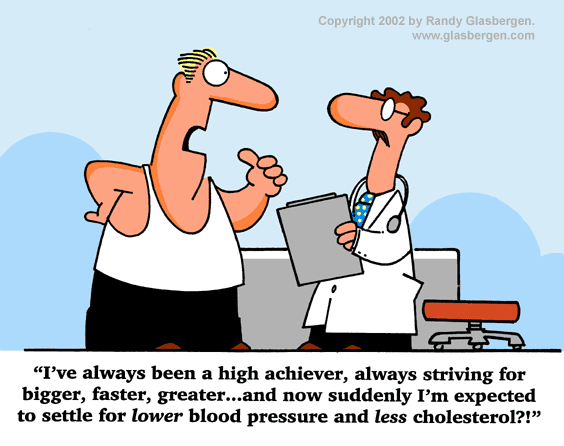
For many more cartoons, please visit Randy's site @ www.glasbergen.com.

    Healthy Kids Snacks Ad in Beirut - Gone Wrong!

    So I received an e-mail couple of days ago entitled: "*Company's Name* Beirut - Healthy Kids Snack". Intriguing, I said. Finally, some promotion for healthy snacks in my country for once!
    Boy was I wrong! Unfortunately, all I got was what you see below.


    • So in their Ad, which is not shown above since I had to crop it out - their phone number was all over the poster, they said "Toss out the junk food and start making snack time fun again!"
      >> I'm sorry to say but what they are promoting FOR KIDS is what everyone calls junk food: Food high in refined carbohydrates, low in fiber, prepared with ghee/butter, high in sugar, high in trans and saturated fats!
    • They continued to market "When kids need that little something to get them through the day, this the collection to turn to"
      >> Wow! I mean whatever happened to the "common" ways of fueling your body with a bowl of skimmed milk, plain cornflakes and some fresh/dried fruits?
    • Now "All our products are freshly baked without preservatives and made with the best ingredients" Yummy! Best ingredients! I love those... but what are they again? Probably the best sugar or butter in the world? Yum-Yum!
    • Well from the huge variety given, you can only see one "your healthy cookies" description as a caption for the oat cookies -probably because these are the only ones with some fibers! So maybe- maybeee, these might be healthy, depending on how they are prepared.
    Either way, I suggest that home-made cookies, plain cakes, cheesecakes, brownies and muffins should be taken in moderation for both adults and kids.

    So next time it's SNACK TIME and "kids need that little something to get them through the day" 
    >> Go for a cup of strawberries, a banana, a fruit salad, dried fruits, freshly squeezed juices, vegetable sticks, whole wheat toast with home made marmalade, multi-cereal kaak with a cup of skimmed milk, a handful mix of unsalted nuts, a cup of skimmed milk with plain cornflakes, a cup of plain skimmed yogurt with some mint and cucumbers, freshly made fruit smoothies, a cup of hot chocolate made with unsweetened cocoa! You can also mix "moderation with healthy" - a cup of milk with cookies, fruit dipped in dark chocolate or whole wheat pancakes with honey/marmalade/chocolate paste and fruit slices.

    This way you will incorporate healthy eating in your kids' lifestyle, establish a healthy and clear idea of what healthy and unhealthy is, decrease any risk of childhood obesity and earlier onset of diseases, decrease dental caries risk, make sure they are getting enough vitamins, minerals, antioxidants, phytochemicals and fibers and above all "making their snack time fun"!

    Wednesday, February 23, 2011

    Improve your Heart's Health

    According to the Center for Disease Control and Prevention, American life expectancy is increasing, yet we are living longer with more diseases. Heart disease and cancer are still the number 1 cause of death in the United States. 
    Now since February is the "Heart Month", it's essential to know how you can live a heart-healthy life! Excess weight, lack of physical activity, high blood pressure, high sodium diet, high cholesterol/saturated/trans fats consumption are all major risk factors for heart disease!

    Therefore, these tips will help you keep a healthy lifestyle one step at a time!

    Increase Fiber: Foods that are a good source of fiber contain at least 3 grams of fiber per serving. Check the Nutrition Facts label on a food or beverage package to ensure that you are getting at fiber in your diet. Adult men (ages 19-50 years old) need at least 38 grams of fiber, and women of the same age should aim for at least 25 grams per day. The best sources are brown rice, brown pasta, multi-cereal breads, whole grain toast, fruits and vegetables. Legumes such as beans, chickpeas, lentils,etc. are also an excellent source of dietary fiber.

    Grains:
    The Dietary Guidelines for Americans recommends that half of your grains are whole grains. Making simple switches like choosing 100 percent whole wheat bread and pasta can help you increase your whole grain intake.

    Soy:
    According to the Food and Drug Administration 25 mg of soy protein can help reduce the risk of heart disease. Try adding a packet of soy, edamame or use soy milk in your diet, especially if you haven't given them a shot yet!

    Potassium: Many fruits and vegetables such as bananas, potatoes, beats, beans, oranges, spinach, and apricots can help blunt the effects of sodium on blood pressure. All forms of fruits and vegetables, whether fresh, canned, frozen, dried, or 100 percent juice can assist you in your effort to promote heart health. However, it's best to have whole fruits and vegetables as your first choice in order to benefit from their fibers as well.

    Dark Chocolate:
    Certain phytonutrients in cocoa, known as flavanols, can help promote healthy circulation. When enjoyed in moderation, dark chocolate can be part of healthy diet that promotes heart health.

    Spread Some Heart Love:
    Plant sterols are cholesterol-reducing food ingredients that come from plant-based foods such as vegetables, nuts and seeds. Plant sterols lower your body’s cholesterol levels by competing with dietary cholesterol for absorption. You can add plant sterols to your eating plan by looking for food products that contain added plant sterols, such as granola bars, orange juice or vegetable oil spreads. Just get to know your food labels more!

    Go Nuts:
    A handful of nuts (about 1½ ounces) such as almonds, hazelnuts, peanuts, pecans, pistachios & walnuts every day may also help reduce the risk of heart disease. Portion out servings at the beginning of the week and keep them in your desk draw for a heart-healthy snack at work.

    Take 30 for heart health: Have and active lifestyle overall and find the time to fit at least 30 minutes of exercise into your daily routine. This can be done in 10 minute increments three times a day. Try finding ten minutes in the morning before work for a quick walk around the neighborhood and follow this up with a ten minute walk during lunch and another one after dinner. It's actually pretty easy to integrate separate-several 10 minutes of exercise in your day. 

    This lovely article has been brought with slight amendment from Food Insight.

    Friday, February 11, 2011

    Deep Fried Beer - Come Again?

    Huffingtonpost.com
    Ravioli-shaped salty dough filled with beer - then deep fried at 375 degrees for 20 seconds!
    Yes, they managed to invent this recipe in Texas and apparently beer pours out of the pocket when you take a bite. The Texas Alcoholic Commission ruled that one must be over the age of 21 to be able to purchase this meal.

    I can't imagine this combination of refined carbs + alcohol + salt + deep frying
    >> high caloric, non-nutritious, fatty, hypertension-y
    >> definite recipe for chronic diseases!

    10 Great Tips to Get Your Kids to Eat Vegetables and Fruits


    There is no doubt that fruits and vegetables are very important, so we’ve heard! However, recent studies indicate that children who ate the most vegetables and fruits had significantly healthier arteries as adults than children who ate the fewest. So you see, what your children eat during their childhood reflects on their lifestyle, eating habits and overall health as adults.  Therefore, here are 10 helpful and efficient tips formulated from the American Heart Association aiming to encourage your children to include more vegetables and fruits in their diet. This way, they will increase their intake of vitamins, minerals, antioxidants, water and fiber! 
    1.   Make fruit and vegetable shopping fun and educative: Visit your grocery store with your children and show them how to select ripe fruits and fresh vegetables. This is also a good opportunity to explain which fruits and vegetables are available by season and how some come from countries with different climates. Make fruits and vegetables interesting: talk about where they come from, how they are planted, grown and cultivated.
    2.   Involve kids in meal preparation: Find a healthy dish your kids enjoy and invite them to help you prepare it. There are many things children can help you with; it all depends on their age: younger kids can help with measuring, crumbling, holding and handing some of the ingredients to you while older kids can help by setting the table and cut fruits and vegetables into chunks, of course, when supervised by you. Make sure to teach them the right way to help and definitely praise them for their great help. This way, they will feel proud that they assisted you and participated in preparation a family meal. It will encourage them to eat a meal they have themselves made!
    3.   Be a role model: Yes, you have a huge influence on your kids. Studies, whether recent or old, always assure the influence parents have on their children! If you are eating a wide range of fruits and vegetables, while surely enjoying them, your child would want to have a taste of what their parents are enjoying! You can’t push them to eat healthy when you show them it’s not your favorite. You are their idol so use it for your and their benefit.
    4.   Create fun snacks: Schedule snack times for most kids like routines. Snacks are great when they are wisely chosen. Between meal snacks are a great opportunity to offer fruits and vegetables to your kids while enjoying them together.  To start with, make fruits and vegetables visible for your children. How? Place a bowl in the middle of your kitchen table at all times! Fill it with different kinds of fruits and vegetables and always remind your kids that it’s sitting right there. Moreover, kids like to pick up foods with their hands, so give them finger foods they can handle depending on their age. You can also cut up a fruit and arrange it on an attractive plate, make a colorful rainbow in their plate, make a smoothie or freeze a smoothie in ice cube trays. Be creative! Create a smiley face from cut-up vegetables and serve with a small portion of low-fat salad dressing, hummus or plain low fat yogurt or labne. 
    5.   Give kids choices - within limits: Too many choices can overwhelm a small child. However, giving your children the freedom to choose from a short list is a great idea. This way you will be encouraging them to start formulating their own decisions while pushing them to eat healthy foods. Don’t go asking them what they want for lunch but don’t force them with one kind of food. Instead, offer them limited healthy choices for snacks, such as dried fruits with nuts, banana, strawberry with cereal or carrot fingers?
    6.   Eat together as a family: If your schedules permit, family dining is a great time to help your kids develop healthy habits and attitudes about food and the social aspects of eating with others.  Make sure you are eating your fruits and vegetables constantly and in front of your children. Even if they aren’t eating certain vegetables yet or they are rejecting others, they will model your behavior sooner or later. This is why tip 10 is crucial no matter what!
     7.   Expect pushback: As your kids are exposed to other families’ eating habits, they may start to reject some of your healthy offerings. Without making a disparaging remark about their friends’ diet, let your children know that fruits and vegetables come first in your family. A positive experience with food is important. Never force your child to eat something, or use food as a punishment or reward
    8.   Grow it: Start from the ground up — create a kitchen garden with your child and let them plant tomatoes and herbs, such as basil and oregano in window boxes. If you have space for a garden, help them cultivate their own plot and choose plants that grow quickly, such as beans, cherry tomatoes, snow peas and radishes. Provide child-size gardening tools appropriate to their age. 
    9.   Covert operations: You may have tried everything in this list and more, yet your child’s lips remain zipped when offered a fruit or vegetable. Try sneaking grated or pureed carrots or zucchini into pasta or pizza sauces. Casseroles are also a good place to hide pureed vegetables. You can also add fruits and vegetables to foods they already enjoy, such as pancakes with blueberries, carrot muffins or fruit slices added to cereal. On occasions when you serve dessert, include diced fruit as an option. 
    10. Be patient: Changes in your child’s food preferences will happen slowly. They may prefer sweet fruits, such as strawberries, apples and bananas, before they attempt vegetables. Eventually, your child may start trying the new vegetable. Many kids need to see and taste a new food a dozen times before they know whether they truly like it. Try putting a small amount of the new food — one or two broccoli florets — on their plate every day for two weeks; but don’t draw attention to it. 
    Brought to you from the American Heart Association.

    New Syndicate for Dietitians in Lebanon


    After long awaited years, the syndicate of Dietitians in Lebanon has been founded.
    If interested, you can join their facebook page: Syndicate of Dietitians.

    These are the official papers that you need to join the syndicate.


    I'll update you soon with services provided.
    For more information, contact Christelle BachiMichel GedeonSuzanne Kabrite or Sabine Dagher.

    Tuesday, February 8, 2011

    Colorful Recipes to Try!


    An untraditional cucumber salad recipe that makes you want to have one right now? Well I guess it's all because of the illustration and colors, no? This is thanks to They Draw and Cook blog which I found amazing by the way.
    Nate and Salli realized how fun it is to draw food so they started thinking outside the box: illustrating a colorful recipe book for friends, family, clients and artists from all over the world. The project morphed into this lovely blog.
    >> So if you are an illustrator wishing to contribute in their book or you're a foodie looking for an artistic and delicious recipe, this is your blog!

    Recipe and illustration above by Sue Tincher Maib (from Alarm Cat Studio)

    Sunday, February 6, 2011

    Smart 3-Minute Brownies

    I bumped into this "smart" 3 minute brownies on loled.net, so I thought of giving it a try - given that it will only take few minutes, so how hard can it be!
    Turns out, it was easy, quick and d-e-licious!!

    Ingredients
    • 4 tbsp all purpose flour
    • 5 tbsp sugar
    • 2 tbsp unsweetened cocoa
    • 1 egg
    • 3 tbsp powdered milk (go with low fat)
    • 3 tbsp oil 
    • Chopped walnuts (optional)
    • 3/4 cup of water (1 cup=240 mL)
    • 1 mug
    Preparation:
    • Mix flour, sugar and cocoa together in the mug
    • Mix in 1 egg thoroughly
    • Mix the powdered milk with water separately then pour it in the mug (or you can mix the powdered milk with the flour, sugar and cocoa then add water - your call)
    • Pour oil and mix well
    • Add chopped nuts
    • Put in the microwave for 3 minutes on maximum power
    • Watch it rise and settle in the mug, then spoon your warm brownies out!
    You don't have to be an experience cook to make it happen - deliciously if I might add. Best thing of all is portion-size control! No brownies left overs to stuff my face with later on. I just baked one mug of brownies and shared it with my mom and sister. It could actually be a smart idea if you have people over where each one will get to have his own small brownie. Just go with fancier microwaveable cups - not a home mug like mine.

    Wednesday, February 2, 2011

    New 2010 Dietary Guidelines


    Earlier this week, the new 2010 USDA Dietary Guidelines for Americans were released, after 5 awaited years. The new guidelines are "tools to give better information about how to stay healthy, how to become healthier, how to make children better students and be prosperous in the future."  
    • It primarily recommended limiting daily sodium intake to less than 2,300 milligrams (about 1 teaspoon) a day for most people and to less than 1,500 milligrams among people aged 51 or older, all blacks and people who have high blood pressure, diabetes or chronic kidney disease, regardless of their age. Given the current chronic health problems, the 1500 mg recommendation applies to half the US population! In fact, today the average American is consuming 3,400 mg per day! On another hand, the American Heart Association, believes that "the 1,500 mg recommendation should apply to all Americans: children & adults. 
    • More emphasis on getting people to choose healthier types of fats >> no more than 10 % of calories should come from saturated fat and, in their place, eating monounsaturated fats and polyunsaturated fatty acids.  
    • Americans are also being urged to eat more seafood, particularly cold water fish, "in an attempt to increase the consumption of healthier fats like omega-3 fats. This was not specifically stated in past guidelines. 
    • More recommendations focused on eating smaller portions, reducing calorie consumption and increasing physical activity.
    Specifically, the guidelines suggest: 

    - Making half your plate fruits and vegetables and eating more whole grains to get more of needed nutrients. 
    - Eating more lean meats and poultry, legumes and nuts and seeds.
    - Using fat-free or low-fat (1 %) milk. 
    - Staying away from added sugars, refined grains and solid fats, which tend to have many calories but few essential nutrients. 
    - Making sodium comparisons for foods such as canned soup and frozen meals, then select those foods with the least salt. 
    - Consuming less than 300 milligrams per day of cholesterol. 
    - Avoiding trans fatty acids. 
    - Gleaning nutrients primarily from eating nutritious food, instead of relying on supplements. 
    - Consuming alcohol only in moderation, meaning one drink or less for women per day and two drinks for men. 
    - Drinking water instead of sugary sodas or other sweetened drinks. 
      "This is very much what many health professionals have been saying for years. But these guidelines are evidence-based, they're based on science  of healthy eating, weight loss and how nutrients promote our health but tend to get lost among all the hypes of the fad diets out there."
      Brought to you from MedlinePlus; you can download the whole DietaryGuidelines pdf.

      Wednesday, January 26, 2011

      Eat Out for Life In Lebanon!


      Eat Out for Life is a program in which you get to dine in Lebanon and in the same time contribute to the Children Cancer Center

      It goes like this >> Between the 4th and 15th of February, whenever you dine in specific restaurants or pubs in the area, a percentage of your bill will be automatically donated to the center! The Children's Cancer Center of Lebanon (CCCL) is a non profit organization that provides treatment to children suffering from cancer at no cost on their families. It usually depends on donations and various support of the community through fundraising programs.

      So you see it's pretty easy!
      Have a meal at Gem, Pepe Byblos Fishing Club, Chicken & Cow, Flip Side, My Bar, Razzz Jazz Club, Cello, El Rancho, Yasmina, Sushiko, Couquely, Sophie's Choice, Viola, Ginette, Duo, Zinc, Charlie's, Fiona's, Gou, Lakay, Hard Rock Cafe, and the list goes on, check it out the participants here!

      Donation is easier this way, it'll only cost you a meal. Notice that the timing is just perfect: spring break & Valentine's day! You could also use my Eating Right when Dining Out article while you're at it!
      Spread it around & Bon Appetite!

      Tuesday, January 25, 2011

      Gourmet's Guide to Sauces

      When dining out, I find that the hardest thing to figure out - given that I am not a professional chef - is "what's in the sauce exactly?" Who is this Alfredo that is poured all over my pasta and what do they mean when they just mention the name of the sauce! It's pretty hard since most of the times, everyone assumes that you know what to choose with your pasta, meat, fish or chicken!
      This is why using this list as a quick reference would make you a savvy restaurant patron!

      Pasta with Alfredo sauce
      - Alfredo - Creamy Italian sauce, typically prepared with butter, heavy cream and Parmesan cheese
      - Bearnaise - Thick French sauce made with white wine, tarragon, vinegar, shallots, egg yolks and butter
      - Bechamel - Basic white sauce made with flour, milk, butter and flavored with onion.
      - Bolognese - Italian meat sauce made with ground beef and sometimes pork & ham, sautteed in a small amount of butter and/or olive oil with tomatoes, other vegetables, herbs, and sometimes wine. It is also referred to as a ragu bolognese sauce
      - Bourguignonne - French sauce made with red wine, carrots, onions, flour and a little amount of bacon
      - Beurre blanc - Thick, smooth, sauce whisked with wine, vinegar, shallot and cold butter
      - Carbonara - Italian sauce made with cream, eggs, Parmesan cheese and bits of bacon
      - Coulis - Thick puree or sauce such as tomato or squash
      Salmon with sauce Hollandaise
      - Demi-glaze - Reduction sauce that gets its intense flavor by slowly cooking beef stock and Madeira or sherry to a thick glaze
      - Hollandaise - Thick sauce with white wine, vinegar or water, egg yolks, melted butter and lemon juice.
      - Marinara - Italian tomato sauce made with tomato, basil and perhaps other seasonings such as onions, garlic and oregano
      - Pesto - Uncooked sauce made with fresh basil, garlic, pine nuts, Parmesan or Pecorino cheese and olive oil. And actually it is my favorite with Italian pasta!
      - Reduction sauce - Sauce of broth or pan juices boiled down to concentrate the flavor and thicken the consistency. 
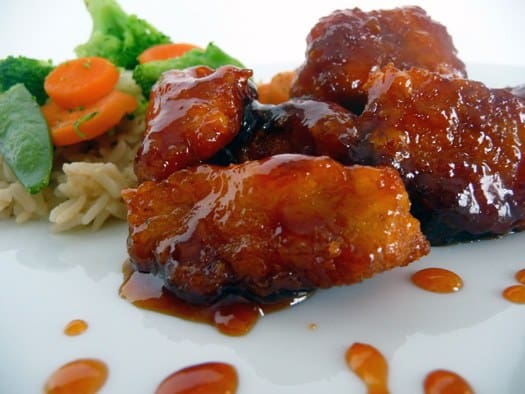
      Sweet and sour chicken
      - Sweet & sour - Sugar and vinegar added to variety of sauces. This is mostly famous here when added to Chinese dishes!
      - Veloute - Light, stock-based white sauce. The stock is usually broth left from cooking meat, poultry, fish or vegetables. It is usually thickened with flour and butter but sometimes egg yolks and cream are added.
      - Vinaigrette - Simple oil and vinegar combination.

      Sauces like bourguignonne, coulis, demi-glace, marinara, reduction sauce, sweet & sour and vinaigrette are usually lower in fat than other cheesy/creamy ones. However, the ingredients tend to vary from one chef to another and so does the fat content!

      This was brought to you from the ADA's Complete Food and Nutrition Guide book!

      Monday, January 24, 2011

      11 Tips for Regular Exercising!


      Exercise is one of the keys to happiness. Research has shown that people who exercise often are healthier, happier, more energetic, perform better at work/studies, think more clearly, sleep better, decrease their risk of cardiovascular diseases, diabetes and dementia. They get relief from anxiety, stress and mild depression.
      Now, even though it is tempting to just flop down and be the couch potato you want especially when feeling tired and exhausted, exercise is actually a great way to boost energy levels. Feeling tired is in fact a reason to exercise more, not to skip physical activity.

      Everyone admits that they feel better if they exercise; however, it can be very hard to adopt this habit. This is why these tricks could help you stick to your own personalized exercise plan!

      1. Always exercise on Monday - This sets your psychological pattern for the whole week!
      2. If at all possible, exercise first thing in the morning - As the day wears on, you will find more exuses to skip your exercises. Get it checked off your list first thing! You will feel energized for the whole day!
      3. Never skip exercising 2 days in a row - It is fine to skip a day, but you definitely must exercise the next day no matter how inconvenient it could be. This way you'll keep your psyche in the "exercise" mood.
      4. Give yourself credit for the smallest effort - Go ahead put on your running shoes. The first step to commit is the hardest, the step you need to do the most. Many time, by promising myself I could quit 10 minutes after I had started, I got myself to start - and then yes, I found that I didn't want to quit after all.
      5. Think about context - I thought I disliked weight training, turns out I hate guys who hung out in the weight training area! Could you be distressed from running in the morning just because it is cold outside? There are many factors that could make you reluctant and discourage you from exercising: examine them thoroughly, there's a solution for it all.
      6. Exercise several times a week - The best way to stay in tune with your exercising rituals is to exercise more than twice a week, meaning most days of the week! Twice a month is surely not enough.
      7. If you don't have time to both exercise and take a shower, find a way to it - Either find a way to exercise without sweating, kind of impossible OR cut your exercise time in half while increasing intensity and days of exercising!
      8. Look for affordable ways to make exercising more pleasant or satisfying - Think of upgrading yourself to a nicer gym, buying a new iPod, working with a trainer, getting a pedometer, trying a new sports you always wanted to adapt, etc. Keep in mind that exercise is a habit you want to keep for life. Make it a part of your lifestyle by making it something you enjoy.
      9. Think of exercise as part of your essential preparation for times you want to be in especially fine form - whether in performance (to be sharp for an important presentation) or appearance (looking gooood), or mood (to deal with stressful situations). Studies have shown that exercise does help and make you ready.
      10. Don't let the perfect be the enemy of the good - Please don't decide it's only worth exercising if you can run 5 miles or if you can bike for a whole hour! Know that going for a 10 minutes walk is worth it. You can start by doing 15 minutes of cardio before you shower everyday >> giving a total of 105 minutes per week, great start, no? So do what you can!
      11. Don't kid yourself - Paying your gym fees does not mean you go the gym. Or having been in shape in high school or college doesn't mean you are in shape now. And last but not least, saying you don't have time to exercise does not make it true!
      Having enough sleep, eating a balanced diet and having plenty of exercise is the key to a healthier body, good psychological health and happiness. Too exaggerated perhaps? Well, research shows that it's a wise step to start there!


      Originally published on The Happiness Project!

      Friday, January 21, 2011

      Not Happy vs. Very Happy?

       Click to enlarge &  get a quick glimpse of healthy vs. unhealthy diets.

      What Happens if You Quit Smoking Right Now

      This is not about food and nutrition but rather about health in general. Adapting a balanced diet is crucial, yes, but having an over all healthy lifestyle is what matters most. Now one of the main reasons it’s so hard to quit smoking is because all the benefits of quitting & all the dangers of continuing seem all very far away.

      Well, here’s a little time line about some of the more immediate effects of quitting smoking and how that will affect your body RIGHT NOW.
      • In 20 minutes your blood pressure will drop back down to normal. 
      • In 8 hours the carbon monoxide (a toxic gas) levels in your blood stream will drop by half, and oxygen levels will return to normal. 
      • In 48 hours your chance of having a heart attack will have decreased. All nicotine will have left your body. Your sense of taste and smell will return to a normal level. 
      • In 72 hours your bronchial tubes will relax, and your energy levels will increase. 
      • In 2 weeks your circulation will increase, and it will continue to improve for the next 10 weeks.
      • In 3 to 9 months coughs, wheezing and breathing problems will dissipate as your lung capacity improves by 10%.
      • In 1 year your risk of having a heart attack will have dropped by half.
      • In 5 years your risk of having a stroke returns to that of a non-smoker. 
      • In 10 years your risk of lung cancer will have returned to that of a non-smoker.
      • In 15 years your risk of heart attack will have returned to that of a non-smoker.
      So, you have more immediate things to look forward to if you quit now besides just freaking out about not being able to smoke. Quit now!

      Courtesy of Global One .

      Thursday, January 20, 2011

      Eating Right When Dining Out


      Everybody loves eating out and there's not reason why you shouldn't - except the fact that most restaurant-foods are high in fat, salt, sugar or calories in general!
      New health care legislation in the States will require (some time during this 2011) that big restaurant chains indicate how many calories each of their food items contains; however, it's not always possible to get the information you want.  

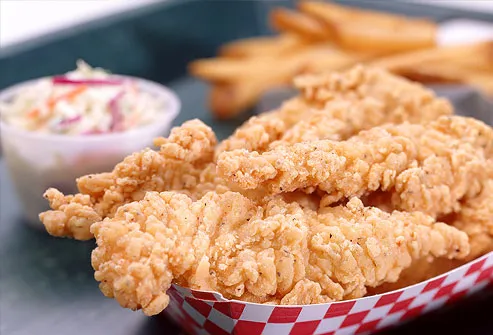
      - Some fats are good for you while other are not - Monounsaturated fats, such as those found in avocados, nuts, olives and olive oils, can help lower your LDL and maintain your HDL and polyunsaturated fats in vegetable oils, fish, mixed nuts, edamame and seeds could help decrease your cholesterol in general. So ordering grilled seafood when you go out will offer you taste, heart healthy benefits and omega 3 fatty acids. Meanwhile, the fats you should be aware of are trans fats, saturated fats and cholesterol. These are found in greasy cheeses, palm oil, coconut oil, shortenings, butter, creamy sauces, stuffed with cheese, meats and whole dairy products. Fried foods  are the main concern here. Foods that are labeled as "golden crispy" to induce your mouthwatering appetite are fried with trans/saturated shortenings, ghee (clarified butter) or lard (pork fat) that will in return make your blood cholesterol spike!

      - To make foods more palatable, salt (sodium) is the key. Restaurant foods can be very high in sodium. Now whether or not you are medically required to decrease your sodium intake because of high blood pressure for instance, research has shown that a low sodium diet can benefit any healthy youngster. However, the point here is to know how to spot high sodium foods. Foods that are pickled, creole sauce, smoked, marinated, teriyaki sauce, soy sauce, cocktail sauce, bacon, MSG (monosodium glutamate) added to meats or Chinese foods to give them their umami taste and canned foods are all high in salt. Therefore, don't add any table salt, ask your food to be done without extra salts and learn how to spot salty ones.

      - Most restaurants label foods with extra symbols on the side: All you have to do is look for "Heart-healthy" or "Light" symbols: these are usually a red heart, a green butterfly, etc. These offer low fat, low salt and low cholesterol items making it easier for you to know which foods are the best to choose from. Watch out not to mistaken them with flags symbolizing most popular food choices.

      - Don't be afraid to ask how the food is prepared and what ingredients are used. Tell your server that you are staying away from high caloric foods, high fatty/salty ones and ask for special requests for a lighter version of that meal. You can ask the chef to prepare foods using less oil, no butter, less sugar, less syrups, less salt, you name it! It's actually easy to be done so go for it next time you're eating out. You can also ask for healthier substitutions such as:
      • baked potatoes instead of a side french fries order
      • low fat milk instead of whole milk in your coffee
      • fresh salad instead of glazed or sautteed vegetables
      And if there are no substitutions, eat smart:
      • peel off the chicken skin
      • ask your server to skip putting fries in your plate
      • skip the butter, cream, cheese, fried/sautteed vegetables, fatty fressings and dips
      • know your meats: skip high fat meats, rib-eye, pork, bacon, lamb, T-bone steaks and go for leaner ones
      - Ask for your sauces, dressings, gravy or dips on the side! This way you can skip them or dip less than you would have if it were already all mixed together. In addition, know which dressings to order with your salad and which not to.
      • Ask for balsamic dressing, lemon-oil, light mayo, lemon, vinaigrette, citronette, mustard,tabasco, marinara with your pasta (tomatoes, garlic, onions), primavera without cream or small amounts (2 tbsps) of guacamole or low fat sour cream.
      • Skip dips and dressings: heavy creamy ones such as heavy lemon, heavy vinegar, thousand island, Caesar's, cocktail, tartar, bechamel, tempura, mayonnaise and  homestyle dressings.

        - Know menu linguistics for healthy and unhealthy foods: Restaurants often describe foods using specific words that aim to lure your appetite while explaining how the food has been prepared. 
        • Watch out for: fried, batter-fried, au gratin, in cheese sauce, marinated in oil, double crust, sauteed, braised, crispy, glazed, golden, deep fried, prime, rich, buttered, buttery, breaded, creamy, beurre blanc, bearnaise, with mayonnaise sauce, creamed, escalloped, cheesy, Hollandaise, pan fried, rich in butter sauce or pan roasted. 
        • Whereas go for foods that are: baked, braised, cooked in its own juices, dry boiled (in wine or lemon juice), lightly sauteed, stir-fried, broiled, barbecued, roasted, boiled, grilled, poached and steamed.
        Extra Dining out Tips:
        • Always start with a green salad on the side, it will help make you fuller for longer. Keep in mind that peas, corn, croutons, olives, avocados, couscous, cheeses and meats could be part of a salad but are not considered as greens (which have the least calories in your meal, thus will help you make full without extra calories).
        • Downsize portions: always think small. A double cheeseburger is around 600 calories while a cheeseburger is 340. Also, super fries could contain 540 calories whereas a small one accounts for 210 calories.
        • Ask for whole wheat/brown/mutli-cereal breads, pasta and doughs. 
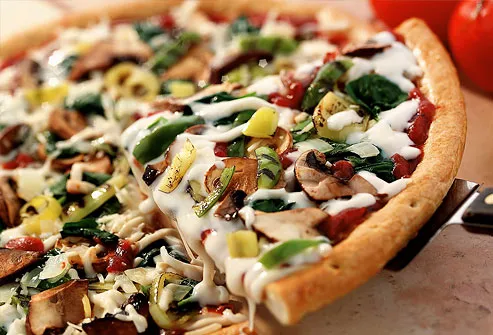
        • Order a thin crust pizza, no cheesy stuffings, with extra sauce, half the cheese topping, vegetables as toppings and skip the meats. Moreover, it's best if you stick to 2-3 slices max.
        • Occasionally have a small portion of lighter alternatives for desserts: a scoop of diet ice cream, 1/2 cup of fruits smoothies, a cup of fruit salad, leeches and avoid high fatty, creamy and sugary ones. 
        • Try to decrease fluids intake with your meal. However, if you choose to have a drink go for water, unsweetened tea or sugar and alcohol-free drinks.
        • Go for a small or medium portion of a meal or share a big one with a friend. Most meals nowadays are huge so don't over-indulge.
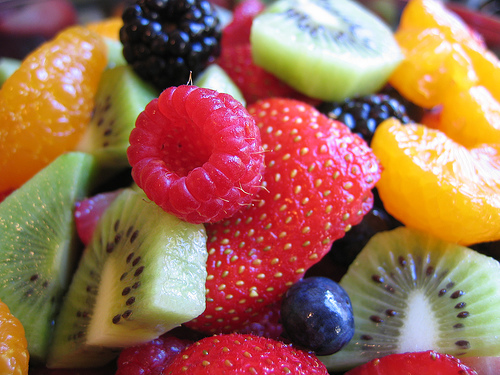
        1st pic from Healthy urban kitchen, the rest of the pictures & info from WebMD.

        Sunday, January 16, 2011

        Richer Tea From Now ON!

        Tonight, it's cold outside and as much as I love cold weather, all I'd want to have is a warm cup of tea. I usually boil water and just place a sachet of tea to blend in, simple and quick.

        However, tonight I bumped into a rich mixture of green tea Satya suggested in her Super Yummy Recipes blog and decided to give it a shot. It was a wise thing to do because that's how I want my tea every time: simple, delicious and quick!


        Ingredients:
        • 1 tsp honey
        • 1/2 tsp cinnamon powder
        • 1/2 tsp freshly squeezed lime juice
        • 1 cup hot water
        • 1 sachet green tea
        • 1/2 tsp anis, aromatic seeds (this one was an improvise)
        The cooking procedure is actually simple, and better yet: it takes the same time you would actually take to prepare a simple - plain tasted cup of tea!
        • Boil water with the anis seeds and set it aside
        • Put the green tea (or plain tea whatever you prefer) in it, and let it blend in for 2-3 minutes.
        • Meanwhile, mix your honey and cinnamon well in your favorite mug.
        • Pour the green tea water into your mug and stir nicely till the honey & cinnamon paste mix well.
        • And last but not least, pour in your lime juice, serve warm and Bonne Appetite!
        We usually don't put much input in simple warm drinks like tea; however, this recipe is simple and gives tea such a rich & sharp taste.


        Now when you have this delicious cup of tea, not only will you get a warm up effect, but you will also get some nutritive benefits out of it! 
        • Warm green tea has a warm and calming effect to start with. In addition, it's rich in anti-oxidants that help your body fight diseases and may help protect your body cells from damage done by free radicals. Different blends of tea offer different combination of antioxidants, polyphenols and flavonoids. Tea may also supply fluoride which helps strengthen tooth enamel! Moreover, it aids to hinder cavity forming bacteria thus it reduces plaque formation.
        • Honey is 80% natural sugar, 20% water and 2% vitamins and minerals such as vitamin c,vitamin B 6, riboflavin, manganese, calcium, iron, copper, zinc and potassium. These are in small amounts so think of them as bonus! Natural honey has anti-inflammatory and anti-bacterial potential; however, you should keep in mind that it has the same effect on blood sugar as any other sugar and there are 22 calories in 1 tsp of honey.
        • Adding lime juice or any citrus juice adds up for flavor and smart nutrition! Tea's flavonoids partly inhibit the absorption of nonheme iron. A squeeze of Vitamin C rich lemon, orange or lime in your tea can counteract some of this action. Lime also contains a bit of potassium, folate, magnesium and vitamin B 6.
        • Cinnamon powder and anis seeds both contain lots of anti-oxidants and have a cleansing effect on your body so having a small pinch of each will add taste and health to your cup! Cinnamon also offers a bit of manganese, iron, calcium and Vitamin K; whereas anis seeds are rich in anethole and limonene antioxidants with a pinch of many vitamins and minerals such as thiamin, riboflavin, niacin, vitamin C, vitamin A, manganese, iron, magnesium, potassium, zinc and copper.

        Saturday, January 8, 2011

        ALL you need to know about HIGH Cholesterol!


        Cholesterol, HDL, LDL…we often hear about them but what are they really?? It may seem confusing at first but challenge yourself and learn more about them because they come in hand to protect yourself and lower your risk of heart attacks and strokes!


        What is cholesterol?
        Cholesterol is not something to fear. It is found in every cell of the body and is actually essential for many processes like digesting fat and producing many hormones. But when it becomes high, either from overproduction by the liver or from too much dietary cholesterol, well, I can’t but say that it’s serious.
        There are two types of cholesterol:

        • HDL: This is considered to be the “good” cholesterol and it stands for high density lipoproteins. They help carry cholesterol through the body so it can be broken down. A higher number is better.
        • LDL: This “bad” cholesterol is short for low density lipoproteins. They are part of the plaque that forms and block your arteries. The lower number in the range, the better.


        Now what are we comparing against? These are numbers, I know, but they are numbers you should be aware of just to know where you stand.


        Status
        Total Cholesterol
        LDL cholesterol
        HDL cholesterol
        Normal
        Below 200 mg/dL
        40-100 mg/dL
        50 mg/dL and higher
        Borderline
        200-239 mg/dL
        100-129 mg/dL
        40-50 mg/dL
        Unhealthy
        240 mg/dL and above
        130 mg/dL and above
        40 mg/dL and below


        Now what causes high cholesterol? Every person in nature inherits genes that influence his or her cholesterol level, now we can’t actually control that. However we should know that a diet high in saturated fat and trans fat can also increase blood cholesterol as can obesity and a sedentary lifestyle. We will talk about the risk factors shortly, but the big question here is: Why this huge fuss about high cholesterol?


        The problem with high cholesterol! The problem lies in the deposits of cholesterol called plaque that sticks on the inside of you arteries and block the blood flow. This buildup is called atherosclerosis, it sure is a big word, but in fact it’s a state that increases the risk of blocking your coronary arteries that increases the risk of heart attack and/or that blocks the blood flow to the brain and would lead to a stroke.


         As we said, there are risk factors to high cholesterol. In fact, these are divided into 2 categories, those you can control and those you can’t.
        Those you really can do nothing about:
        • Age: Cholesterol levels rise with age. After age 20, you should get a cholesterol test at least once every five years and your doctor may recommend more frequent testing is he finds that you have other risk factors.
        • Gender: After menopause, women’s LDL levels tend to rise.
        • Heredity: If high cholesterol runs in the family, well these are your genes talking and it is best if you get frequent testing.


        But what about what you CAN control?!
        • Excess weight: Being overweight can increase your cholesterol.
        • Sedentary lifestyle: “Couch potatoing”, if I may say, is not OK whereas regular physical activity helps lower LDL and raise HDL.
        • Diabetes: High blood sugar increases cholesterol levels and damages the lining of your arteries.
        • Smoking: Cigarette smoking lowers HDL and increases the likelihood of blood clots.
        • Medications: Certain medications can cause high cholesterol. Talk to your doctor about any medications you are taking just in case!


        So…What can we do??


        • Start by 150 minutes a week of exercise and distribute them however you like as long as you increase your heart rate. Quick pace walking, swimming laps, riding bikes, all are considered to be aerobic and helpful.
        • Go for weight loss. For each 2 ½ kg you lose, you increase your HDL by 1 mg/dL and trimming 500 calories a day if you are overweight you help decrease your LDL by 5 to 20 percent. Just know that losing weight and maintaining it would help you no matter how modest it is, keep it up!
        • Food, food, food!
          -To increase your HDL: Avoid tans fats and hydrogenated fats that are found in commercially baked goods, eat monounsaturated oils like olive oil and eat 2 to 4 servings of baked fish!
          -To decrease your LDL: Eat foods rich in sterols like bran, oats, whole wheat, brown rice, peas, beans, walnuts, peanuts, almonds, broccoli and apples. Moreover, limit your cholesterol and saturated fat in your diet found in fried foods, whole dairy products and non lean meats. Another nutritional tip would be to increase your intake of fibers! 25-30 grams of fiber found in vegetables, whole grains, legumes and fruits are always a plus!
        • Lifestyle changes like quitting smoking and limiting alcohol drinks to no more than 2 per day would help as well.
        • And finally, medications prescribed by your doctor and your doctor only would help as well.