Showing posts with label Unhealthy habits. Show all posts

Tuesday, July 9, 2013

Genetically Modified Foods - Free Lebanon

Genetically modified foods are a hot topic now. They are found in many food products sold in the Lebanese market and have become quite controversial. What are GMOs? Are they healthy or do they increase the risk of diseases? In which foods are they found and what can we do about it... Many questions cross our minds when GMOs are involved!

This is why Christele from Health 'n' Horizons, Nour from Nourish Body and Mind and I have joined forces in creating a new movement, GMO Free Lebanon. The purpose behing this movement is to increase awareness about what GMOs are, where you can find them and how they pose risk to your health. This movement also aims to push for labeling of GMO-containing foods, as many countries give their people the right not take part in this humongous human experiment. In Lebanon, we want this right too!


So what are Genetically Modified Organisms?

Humans have been ‘modifying’ foods for more than 2000 years, merely by selective breeding in which plants with naturally higher resistance to fungus and harsh environmental conditions were preferred to yield more crops. However, in 1946, scientists discovered that DNA can be transferred between different organisms and consequently genetically modified foods came to life, hence the acronym GMO which stands for Genetically Modified Organisms. Other terms you might encounter are genetically engineered (GE) and genetically modified (GM) foods.
Photo credit
Genetic engineering allows scientists to cross species in laboratories in order to enhance certain traits not originally found in crops. So crops can have DNA traits from bacteria, viruses  and other plants or animals. For instance, a bacterial gene (from the bacterium Bacillus thuringiensis or Bt) is added to corn crops to make them resistant to certain insects. The insect dies within a few days after biting through the corn. Other crops are modified to carry their own their herbicide making them resistant to the spraying of the deadly chemicals which will kill every other weed or plant. These biotech crops are more commonly known as Roundup Ready as they are resistant to the herbicide Roundup. Both herbicide and GM crop are unsurprisingly produced by the same company, Monsanto. (You gotta become familiar with those names!) (2)
In 1994, the first genetically modified plants approved by the FDA (Food and Drug Administration) for marketing the in the USA was Flavr Savr, tomatoes with delayed ripening. However, in 1997 all Flavr Savr production was ceased yet the possibility of producing genetically modified foods literally genetically modified our current kitchens.

Are GMOs currently OK for consumption?

The USA and Europe (EU) have opposing positions regarding GMOs. While the US considers GMOs to be safe, the European Union recommends having organic and non-genetically modified foods instead as the health and environmental risks of GMOs outweigh the benefits. This is why the EU forces stricter regulations on growing GMO crops and requires their labeling on all genetically modified products (3).
Most news about GMOs and their effect on health are kept on low profile (fishy much?); however, few studies have increased our alarm buds and forced us to place a huge question mark over any genetically modified food.

Few GMO side effects in animal studies (so far)
The results of a study conducted in 2012
on genetically modified corn-fed rats showed increased
organ damage and tumor risk (6)


. Increased risk of infertility (4) 
· Increased risk of stomach lining inflammation (4) and reduced digestive ability (5)
. Increased tumor risk (6)
· Increased liver, kidney pathologies (6,8) and toxicity and endocrine dysfunction (7,8)
· Increased death rates (6) as well as premature death (5)
. Increased allergen content in foods (5)

What foods have been genetically modified so far?
Around 70% of processed foods found in US markets have been genetically modified (1). There is currently no data in Lebanon regarding GMO distribution in the market. However, given that many well-known brands in the Lebanese market are imported from USA, Canada, Australia, India, Mexico, China… and given the fact that Lebanon does not force labeling of GMOs, we are unknowingly consuming GMO-containing products.

Plants
· Soybeans (oils, lecithin, baby formulas, baby food… )
· Corn (and corn products: High Fructose Corn Syrup (HFCS), corn starch, corn flour, glucose, fructose found in sweets, soda, snacks, cakes, ketchup…)
· Canola/rapeseed oil
· Cotton and cottonseeds (oils)
· Sugar beets (could be labeled as ‘natural sugar’)
· Moreover, given that genetically modified crops (wheat, soy, corn) are fed to animals, especially cattle, these in return pass GMOs to milk, dairy, labne, cheese, and meats
· Papaya
· Zucchini/ squash
Animals
· No GM animals have been approved for use, however, salmon was near FDA approval in December 2012  

So why GMO Free Lebanon?
We started GMO Free Lebanon as we found a lack of awareness among the Lebanese about what GMOs are, their health risks and their wide availability in the Lebanese market. 
>> Our goals are:
- To increase awareness and education about genetically modified foods
- To push for labeling of all products in the Lebanese market. We have the right to know what is in our food and we have the right to say NO to taking part in mass experimental trials. Without labeling, how can one trace the source of allergy, intolerance, sensitivity, illness or disease? And “where is the scientific evidence showing that GM plants/food are toxicologically safe?” (10)
- Demand banning of GMO foods when they are proven unsafe. GMOs are insufficiently evaluated. Longer and more detailed tests need to be done to protect human and animal health as well as our planet (11).
So what can you do to protect your health and help out our cause?
- Like and share our Facebook page which will be a common platform for sharing evidence-based research and practical tips and tricks to help you make informed choices (even if you do not live in Lebanon, approving labeling/banning in one country will help raise global awareness towards the health risks and environmental side effects of growing and consuming GMOs).
-Know where GMOs are found and try to avoid them:

·       Read labels carefully to detect ‘possible’ genetically modified ingredients
·       Buy products that are certified as 100% organic or labeled as non-GMO
·       Choose 100% Grass-fed beef (as corn fed ones are having GMO corn for a diet!)
·       Try as much as possible to avoid processed foods and cook at home, from scratch 
·       Grow your own garden if you have the space.   

Last but not least, stay posted to the GMO Free Lebanon facebook page as we will push for labeling and we will expose genetically modified foods in Lebanon!

References and related articles
(12) Ornl.gov

Thursday, June 28, 2012

Fight Sugar, Know the Facts

Everyone is fighting sugar this summer, and it's about time!
More campaigns are targeting both parents and children to decrease their intake of sugar, especially those added sugars from sweetened beverages, cokes, candies, chocolate, ice tea, cookies, biscuits, jelly beans, cereals, pastries, doughnuts, croissants, cakes, flavored yogurts, milk shakes, ice creams, cereals, coffee drinks, canned foods, and we both know the list goes on!  Sugar is even found in condiments such as ketchup and salad dressings!

Two of the beautiful, smart campaigns again excess sugar intake are:

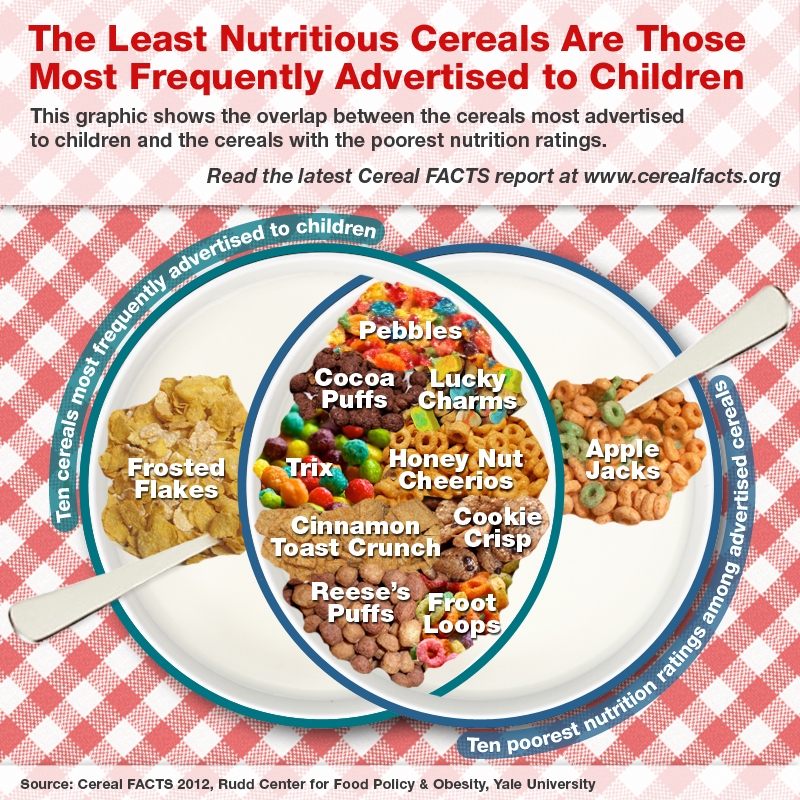
Cereal FACTS - Debunking all types of sweetened and unhealthy cereal and cereal products, especially those advertised for children. You can find top and bottom 10 lists of cereals by brands. Their information target both consumers and researchers with reports stating what is most advertised to children and which brands contain the most sugar content so let's hope they're not being lobbied by any side! You can heck their website here.

Photo from: Cerealfacts.org


Soda Free Summer  - Urges people to 'Rethink their drink' by fighting added sugars whether in carbonated beverages or other sweetened juices and drinks! Most people don't realize that they tend to gulp their calories in. In fact, half on the American population over the age of 2 consume sugary drinks everyday! Soda Free Summer explains how much calories and sugar various contain nowadays, how much exercise you need to burn them off, the unhealthy toxic effects of excess sugar intake as well as beneficial school tools. You can check their website, their twitter and their facebook page.

  
So why do we really care about added sugars?
  • Sugar increases tooth decay
  • Promotes weight gain
  • Acidifies your blood, such that your body will need to extract some minerals from your bones to buffer that acidity!
  • Increases triglycerides and therefore, increasing the risk of heart diseases and inflammation [Source]
  • Decreases your immune system by acting as a substrate for bacteria in your body
  • Increases the risk of skin aging, a much less famous crime
  • Increases the risk of cognitive impairment 
  • Some sugars like HFCS (High Fructose Corn Syrup) have been linked to increased risk of abdominal fat, increased insulin resistance and diabetes type 2, increased metabolic syndrome, fatty liver and increased LDL cholesterol.
  • More research is finding association with increased risk of cancer and more cancer! well. For instance, pancreatic cancer's risk increase by 2 times with increased sugar intake!
  • People who consume large amounts of added sugars tend to eat less nutritious food, resulting in poor nutrition as well as vitamin/mineral deficiencies.
  • Last but not least, very recent research links high sugar (mainly high fructose corn syrup - HFCS) intake to stupidity! High HFCS intake may highly affect the mind's long term ability to learn and remember! 

But why do they even add sugar to food?
Sugar tend to preserve foods, increase fermentation, give pastries and baked goods texture, add a unique flavor to foods [especially that we tend to prefer sweet tastes innately], and yea, because it's addictive so you'll definitely come back for more!

So the whole point out of this article is for you to Cut Down on your Sugar Intake.

1- Know the different names of sugar!Sugar can be simply called sugar/brown sugar, or its gazillion alternative tricky names from dextran, fructose, glucose, lactose, galactose, molasses, invert sugar, sucrose, corn syrup, high fructose corn syrup, beet sugar, barley malt, maltose, maltodextrin, honey, agave nectar, cane, cane juice crystals, caramel, maple syrup, sorghum syrup, turbinado, treacle, muscovado, panocha - some of which I can't even recognize!
Photo from: RefreshKansas.org

2- Check what ONE serving is! What manufacturers tend to do is mention how much calories, nutrients, sugars, vitamins, etc. there are per serving. But what consumers tend to think is that a whole package is one serving - and it's almost always NOT.
So let's take a look at the photo on the right. First, check what one serving is, in green. 1 serving is referred to as 'Serving Size'. This serving has 26 g grams of sugar, as shown in pink. Now the actual package has 2.5 servings, not just one, so do the math!

3- Know the linguistics
  • Sugar-free: there must be less than 0.5 grams of sugar per serving.
  • No added sugars/ Without added sugar is used if no sugar was added during processing
  • Reduced/less sugar is used when there is at least 25% less than a similar reference food so it doesn't mean it is low in sugar!
Photo from: Thearrowsoftruth.com


4- Know the ingredients' order
So when you check your label, which I'm hoping you will from now on, know that ingredients are listed in descending order of weight. On the right, you can find a coke's label where you can see that the 2nd ingredient is HFCS (High Fructose Corn Syrup)!
  

Sugar can definitely harm you, just like tobacco and alcohol so it must be regulated! Why isn't it regulated, you ask? Well, because the industry is making huge profits from their 'suga-baby' and taxing it would lead to less profit! In fact, in a report by the USDA (pdf file), taxing sweetened beverages could end up in decreasing total caloric intake and an estimate of 2 kilograms of adult and child weight per year, aiding in decreasing the worldwide epidemic obesity.

And no, don't go saying that sugar will give you the energy you need! Excess sugar intake will definitely increase your blood sugar steeply, only to cause a quick drastic decrease causing hypoglycemia - characterized by fatigue, nervousness, sweating, hunger and trembling! So pledge to start decreasing your intake gradually - you will benefit greatly!


Saturday, November 19, 2011

Food Colorants in my Cereal Bowl!

Cereals advertised for their
Calcium, Zinc and Iron content
I’ve probably had too many colorants in my system for quite some time when I was kid. My mom used to buy us Trix, and what was she thinking! When talking about snacks and cereals for kids – and possibly adults- one can’t ignore the topic of food dyes!
Colored breakfast cereals are attractive to kids, especially with those cartoon characters on their packages. Other than their high content of sugar and sodium, and putting aside that they are advertised by mentioning their high calcium, iron, zinc, fiber and ‘fruity’ content, my concern here is their dye content!
Testing Food Dyes
Food colorings are tested for safety by different parties and sometimes views on food color safety can get quite controversial.
  • In Europe, E numbers are given to European Union-approved natural and synthetic dyes. In fact, in European countries these colorings are considered hazardous until they can be proven safe.
  • In the US, FD&C are given to FDA-approved synthetic food dyes that do not exist in nature. In the US, it's totally the opposite >> The colorings are safe until proven otherwise!
So companies that do business in Europe use natural and safe colorings; however, they use harmful and synthetic ones elsewhere! And guess what, yes; Lebanon is considered an "elsewhere" country.
Allowed Common Artificial Food Dyes
In the USA, the following seven artificial colorings are permitted in food as of 2007. You can see E number, FD&C number or the dye’s name. So when you check your label, you can find any of the 3.
  • FD&C Blue No. 1 or E133 –Brilliant Blue (blue shade) 
  • FD&C Blue No. 2 or E132 – Indigotine (inidigo shade)
  • FD&C Green No. 3 or E143 – Fast Green FCF (turquoise shade) 
  • FD&C Red No. 40 or E129– Allura Red AC. This dye is approved by the EU in general, but Switzerland already banned it and the UK is on its way!
  • FD&C Red No. 3 or E127 – Erythrosine 
  • FD&C Yellow No. 5 or E102 – Tartazine
  • FD&C Yellow No. 6 or E110 – Sunset Yellow FCF (orange shade so it can also be called Orange E110). Now this is approved in the US; however, EU is considering its ban while Norway already banned it! 
  • [Blue no.1, red no.40, yellow no.5 and yellow no. 6 being the most popular]
Disallowed Common Artificial Food Dyes
The following 9 dyes have been disallowed by the FDA because of their adverse effects so keep them in mind, and let’s hope we don’t see them in any of our foods!
  • FD&C Red No. 2 – Amaranth 
  • FD&C Red No. 4
  • FD&C Red No. 32 
  • FD&C Orange No. 1 
  • FD&C Yellow No. 1, 2, 3 and 4 
  • FD&C Violet No. 1
Artificial Dyes Health Concerns
Certain artificial food dyes have been shown to be carcinogenic to animals, affect mood and intensify ADHD while few are associated with fertility. You can pick your favorite. Now these studies are not conclusive yet, but the fact many are showing weak to moderate association between the dyes and the suggested health concern while facing a lot of “food politics” pressure, is enough of a concern to me! 
  • The FDA requires that Yellow No. 5 be clearly labeled on food packaging along with other ingredients.  This label is just indicating Yellow 5 is in the food. This is not a warning label so now you’re warned. 
  • According to the Mayo Clinic, colorants that may increase hyperactive behavior include: Yellow No. 6, Yellow No. 10, Yellow No. 5 and Red No.40. So even though, these are allowed by the FDA, studies are showing that they might have hazardous effects! 
  • According to the Center for Science in the Public Interest, food coloring such as Blue No. 1, Red No. 40, Yellow No. 5 and Yellow No. 6 cause allergic reactions. Yellow food No. 5 has triggered asthma episodes in children. Red No. 40 may cause skin conditions such as eczema. Yellow No. 2 has been connected with male sterility and ADHD. Blue No. 1 and Blue No. 2 used in beverages and often in pet food have been associated with brain tumors in animal studies and Red No. 3 is linked with thyroid tumors. It’s quite the mess! Actually, according to the Center for Science in Public Interest, artificial dyes are best avoided. They also have a "Food Dyes and Behavior Report Form" to fill out if your child shows any change of behavior when food colorants are ingested.
Natural Food Dyes
Some brands have natural food dyes
There's a growing number of natural food dyes commercially produced, especially due to consumer concerns surrounding synthetic dyes. Some examples include:
  • E150 - Caramel coloring made from caramelized sugar, used in sodas 
  • E160b - Annatto: a reddish-orange dye made from the achiote seeds
  • E140 - Chlorophyll: a green dye made from algae 
  • E120: Cochineal a red dye derived from the cochineal insect 
  • E100 – Turmeric from curcuminoids 
  • E160a- Saffron (caratenoids) for a yellow to orange color 
  • E160c - Paprika 
  • Betanin extracted from beets to give a bluish-red to brown color 
Natural food colors, due to their organic nature, can sometimes cause allergic reactions and anaphylactic shock in sensitive individuals. Coloring agents known to be potential hazards include annatto and cochineal. However, natural colors are not required to be tested nor mentioned on the label in the US!

Colored Cereals in Lebanon
Now, long story short, I found these colorings in 6 different colored cereals in Lebanon:
  • Artificial colorings - Yellow E 102 (No. 5), Yellow E 110 (No. 6), Blue E 133 (No. 1), Red E 129 (No. 40)
    >> Although all these have been approved in the US, the
    Center for Science in Public Interest advises that they are best avoided! They are under the "Unsafe in amounts consumed or is very poorly tested and not worth any risk" category. Red 40 and Yellow 6 are being phased out in some European countries.
  • Natural colorings - Turmeric, Paprika, Spinach, Carrots, Blackcurrant
    >> All shown to be safe.

Food dyes are lurking everywhere in our diets!They can be found in granola bars, candies, jelly beans, chocolate, beverages, sodas, cakes, chewing gums, lollipops, syrups, icings, jams, dessert powders, ice cream and puddings. These could be quite obvious due to their flashy colors, but hey, colorants can be found in pale colored cereals, cheeses, chips and dips too! So you gotta become a label reader, especially for foods that you consume regularly. Don’t be fooled with words like ‘natural’ and ‘fruity’. You’ve become familiar with those names and numbers now, so watch out for them and try to limit your intake of processed foods. 

Info Sources

Sunday, October 16, 2011

Cancer Prevention Nutrition Tips

It's World Food Day and Blog Action Day while it's Breast Cancer Awareness Month - so I decided to combine all those together and blog about the healthiest diet that helps in cancer prevention! Of course, cancer is a mutli-factorial chronic disease with genetic factors as well as environmental, personal and dietary ones affecting its incidence. So why not control what is modifiable! Whatever the situation, your dietary choices matter! Some foods actually increase your risk of cancer, while others support your body. By making smart food choices, you can protect your health, feel better, and boost your ability fight off diseases.

Research shows that a large percentage of cancer-related deaths are linked to lifestyle choices such as smoking, drinking, lack of exercise and an unhealthy diet. Avoiding cigarettes, minimizing alcohol, and getting regular exercise are a great to an anti-cancer lifestyle. But to best support your health, you also need to look at your eating habits.

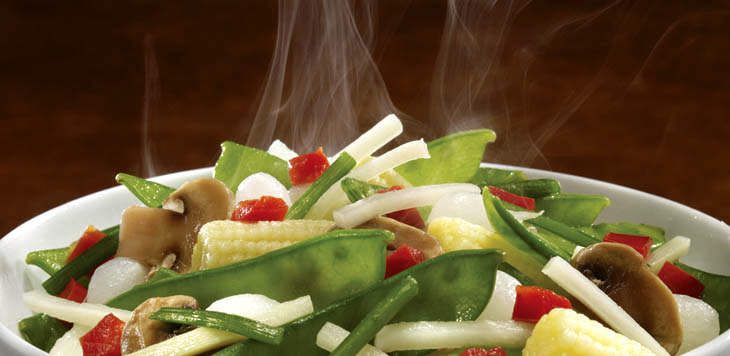
Focus on plant-based foods  - Plants have less fat, more fiber and more cancer-fighting nutrients. These 3 work together to support your immune system! The best diet that aid in preventing cancer is a plant-based diet that includes a variety of vegetables, fruits, whole grains, pulses, beans, seeds and nuts!You don't to go completely vegetarian, just aim to have at least 2/3rds of your intake of whole grains, vegetables, beans, or fruit while keep 1/3rd for dairy products, fish and meats.

A fresh bowl of salad will
boost up your fiber intake!
Bulk up on fiber - Another benefit of eating plant-based foods is that it will also increase your fiber intake. Fiber is the part of plants (grains, fruits, and vegetables) that your body doesn't have enzymes to digest. Fiber plays a key role in keeping your digestive system clean, healthy and it keeps food moving through your digestive tract thus moving cancer-causing molecules out with it.Now, the more natural and unprocessed your food is, the higher in fiber it is. So have fiber from more brown, bran, whole-grain, whole-wheat, whole, skin-containing fruits, vegetables, whole grains, pulses, seeds and nuts! And keep on mind that meat, dairy, sugary, and processed white foods (white bread, white rice, pastries, etc.) are very low in fibers! 

Cut down on meats - Research shows that vegetarians are about 50% less likely to develop cancer than those who eat meat. Why? Because meat lacks fiber and other nutrients that have been shown to have cancer-protective properties while having lots of fat - saturated ones. High-fat diets have been linked to higher rates of cancer especially saturated fat. Moreover, it also depends on how meat is prepared. When charred, those black bits are shown to be carcinogenic compounds!
So you can cut down your cancer risk substantially by reducing the amount of animal-based products you eat and by choosing healthier meats. Keep red meats to minimum, choose leaner options such as fish, chicken or turkey while avoiding processed meats (sausages, makanek, salami, deli meats, hotdogs) to the max!

Liquid fats - unsaturated ones -
are your best bet
Choose your fats wisely - A major benefit of cutting down on the amount of meat you eat is that you will automatically cut out a lot of saturated, unhealthy fat. However, don't cut down fat entirely, nope! In fact, some types of fat may actually protect against cancer. The wisdom lies in choosing your fats wisely and eat them in moderation.
-- Fats that increase cancer risk have been shown to be
: saturated fats and trans fats. Saturated fats are found mainly in animal products such as red meat, whole milk dairy products and eggs. Trans fats, could be also called partially hydrogenated oils (check your nutrition facts labels), are created by adding hydrogen to liquid vegetable oils to make them more solid and increase their shelf life - something food for industries but horrible for you.
-- Fats that help in decreasing caner risk are unsaturated ones, the more liquidy fats. They are from plant sources such as olive oil, canola oil, olives, nuts and avocados. Also focus on omega-3 fatty acids, which fight inflammation and support brain and heart health. Good sources include salmon, tuna and flaxseeds. 

Choose cancer-fighting foods - Your immune system does a great job to fight off unhealthy molecules but there are many ways in which you can help strengthen in even more. There is not miracle foods of course, only those that will help your body fight off diseases.So increase your anti-oxidants intake from fruits and vegetables, eat brighter-colored foods, throw in some spices in your meal (and be creative!) while drinking lots of water!

The way you cook your food is as important
as what you eat!
Don't forget that the way you cook/store your food is as important as what you choose to eat!
  • Eat raw fruits and vegetables, they have the least leached vitamins and minerals 
  • Steam foods with the least amount of water possible, you don't want to lose those cancer-fighting compounds!
  • Go for fresh meats and avoid processed and cured meats with preservatives such as hotdogs, deli meats, sausages and bacon!
  • Don't overcook your BBQ to burn or char your meats to be dead smoky!
  • Don't cook oils on high heat like deep/pan frying. Instead bake, broil, boil or steam!
  • Store your foods wisely - Store oils in dark, dry and cool places to decrease the risk of rancidity and avoid moldy foods. Keep foods fresh and cool!

-- You are what you eat, so make every bite count!

Information sources

Sunday, September 25, 2011

Late Night Trips to That Yum Fridge!

Stepping towards the kitchen at the end of the night may start as a simple habit; I mean you just want to have that midnight snack! However, when this recurs more often, it starts to spell a nightmare - the Night Eating Syndrome (NES). By far the most frequent of eating disorders, NES has been a thrilling subject of many current studies and although it can affect all ages and both genders, NES is more common among young women.


There are no specific guidelines that characterize NES especially that it is not considered an “official” eating disorder by the medical community; however, if night eating trips recur often for 2 months or more, Night Eating Syndrome could be it! There are, however, some NES characteristics
  • Little or no appetite for breakfast: Night-eaters often lack the desire to eat until lunch time and can often go several hours after waking before their first meal
  • Eat more than 25% of the required total daily calories after 7 pm or dinner in general
  • Frequent night time awakenings to eat: Feeling the urge to wake up at least once a night and not being able to go back to sleep unless you grab that midnight snack!
  • Having a greater caloric intake than others: Therefore, night eaters tend to be overweight. Binging on carbs, cereals and sugary foods can be more of a preference because these food types can trigger the brain to produce neurochemicals that decrease stress, anxiety and mood swings.
  • Spreading eating over several hours at night rather than just one typical eating binge like in other eating disorders. Night eaters tend to have separate "trips" into the fridge throughout the night - not just one large binge!
 
So what are the causes of NES?

Night Eating Syndrome can be caused by different factors, including hormone imbalances, excessive stress and eating and mood disorders such as depression, anxiety, self-starvation and food addiction.

  • Hormonal changes related to sleep, hunger, sadness and stress causing a decrease in melatonin, serotonin, leptin and increase in cortisol! All fancy names that disrupt hunger and satiety signals and that alter normal sleep/wake cycles. This tempts night eaters to get up and get that food they're craving for!
  • Heredity causes could also be a factor contributing to NES, but there's not fine proof yet!
  • Stressful lifestyles at work or at home can cause a person to turn to night eating in order to cope with such stress. You are most likely not peaking to grab a tomato, you're looking for something sweet, fatty and/or salty to give you a good taste of life.
  • Strict, unbalanced dieting throughout the day + not having a healthy eating schedule can lead a person to overeat at night to compensate the lack of energy intake. So yes, having breakfast as well as regular meals spread smartly throughout your day can definitely help.

OK, so we got what NES is all about! Now what to do?

>> The first step in treating Night Eating Syndrome is to consult a physician to get a proper diagnosis. Once you are properly diagnosed, your physician can determine what is causing this huge urge for night munching and can develop an appropriate strategy for managing your eating and sleeping habits.
>> A dietitian can also help night eaters develop a winning strategy tailored specifically for your needs to gradually start eating breakfast and consuming all your daily calories before bedtime, of course gradually changing your habits.
>> On the other hand, a psychologist can help you manage stress as well. Common treatments for NES are all dependent on the cause leading to night eating. Therefore treating could be through hormonal supplements, medications, psychotherapy, behavioral therapy and nutritional counseling to help you establish and maintain a healthier relationship with food.